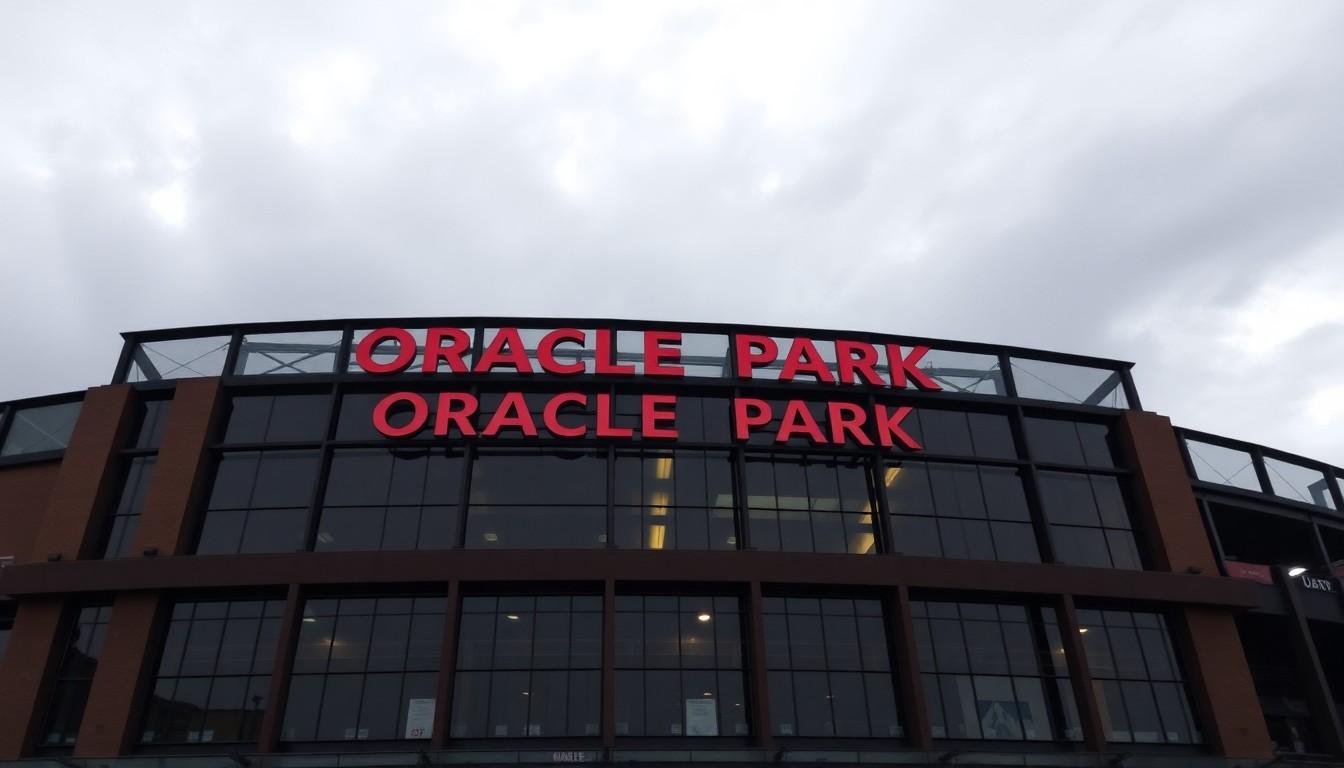
Shoppers and fans have watched the San Francisco Giants Pride cap controversy play out, and local leaders are still speaking up , here’s who said what, why it matters to LGBTQ+ fans, and how teams can repair trust after public protests at Pride Night.
Essential Takeaways
- What happened: Four Giants pitchers wrote Bible verses on Pride caps during Pride Night, sparking backlash and national attention.
- Local reaction: San Francisco Mayor Daniel Lurie publicly criticised the players, stressing that team uniforms represent the whole city and its LGBTQ+ community.
- Team response: The Giants have tried to steer attention back to baseball; leadership has faced criticism for avoiding fuller public engagement.
- Fan impact: At least one protesting player was booed by home crowds after the incident, showing lingering tension in the ballpark.
- Why it matters: The episode highlights how sports teams are seen as civic institutions and the importance of clear, values-driven PR during culture-clash moments.
Why the mayor’s comments matter , and felt personal
Mayor Daniel Lurie stepped into the fray and made it clear the incident wasn’t a private squabble, it was a civic affront. He acknowledged people’s right to religious beliefs, but argued that wearing a Giants uniform binds you to the city’s values. That’s a strong line to draw, and it lands because San Francisco’s LGBTQ+ history is woven into the city’s identity , fans felt that identity was dented.
The mayor also joined Pride Parade events over the weekend, a public show of support that underlined his point. For many locals, that visible leadership matters more than press statements from the team; it signals solidarity and offers swift reassurance to hurt fans.
How the Giants handled PR , and where critics say they slipped up
The franchise’s response has been cautious, even muted. Team president Buster Posey declined to expand on the controversy, saying he wanted focus kept on baseball. That decision aimed to calm things, but critics argue it read as deflection rather than accountability.
In an era when social and political issues follow clubs into stadiums, a desire to “stay on the field” can look out of touch. Fans and civic leaders expected clearer, faster engagement , and the absence of that created a vacuum filled by anger and national headlines.
The players, the fans, and the aftershock in the stands
Notably, at least one pitcher involved, Landen Roupp, was publicly booed when he next took the mound in San Francisco. That reaction shows how closely fans link on-field performance with off-field conduct, especially when an action touches a core community.
For other athletes, this is a reminder that symbolic gestures at team events carry big weight. If you’re a player wondering how to navigate personal beliefs and public roles, the blunt lesson is that uniformed representation requires extra care.
What this says about sports, values and the future of Pride nights
Pride Nights started as a way for teams to recognise LGBTQ+ fans and staff, and they now act as litmus tests for local values. When something goes wrong, the fallout isn’t just a clubhouse matter; it becomes a conversation about who a city is and who is welcome.
Expect teams to rethink protocol: clearer guidelines about event signage and behaviour, more proactive community outreach after incidents, and perhaps mandatory sensitivity briefings around themed nights. Those measures won’t erase tension but they can help prevent repeat scenes.
How fans and teams can move forward practically
If you feel affected, show up , your presence at games, parades and community forums matters. For teams, taking swift responsibility, opening channels for dialogue with affected groups, and creating transparent policies for promotional events will be key to rebuilding trust. And for players, consider whether public gestures at team events will advance or harm community relations before acting.
It’s a small but important moment that shows uniforms carry history as well as logos.
Source Reference Map
Story idea inspired by: [1]
Sources by paragraph: