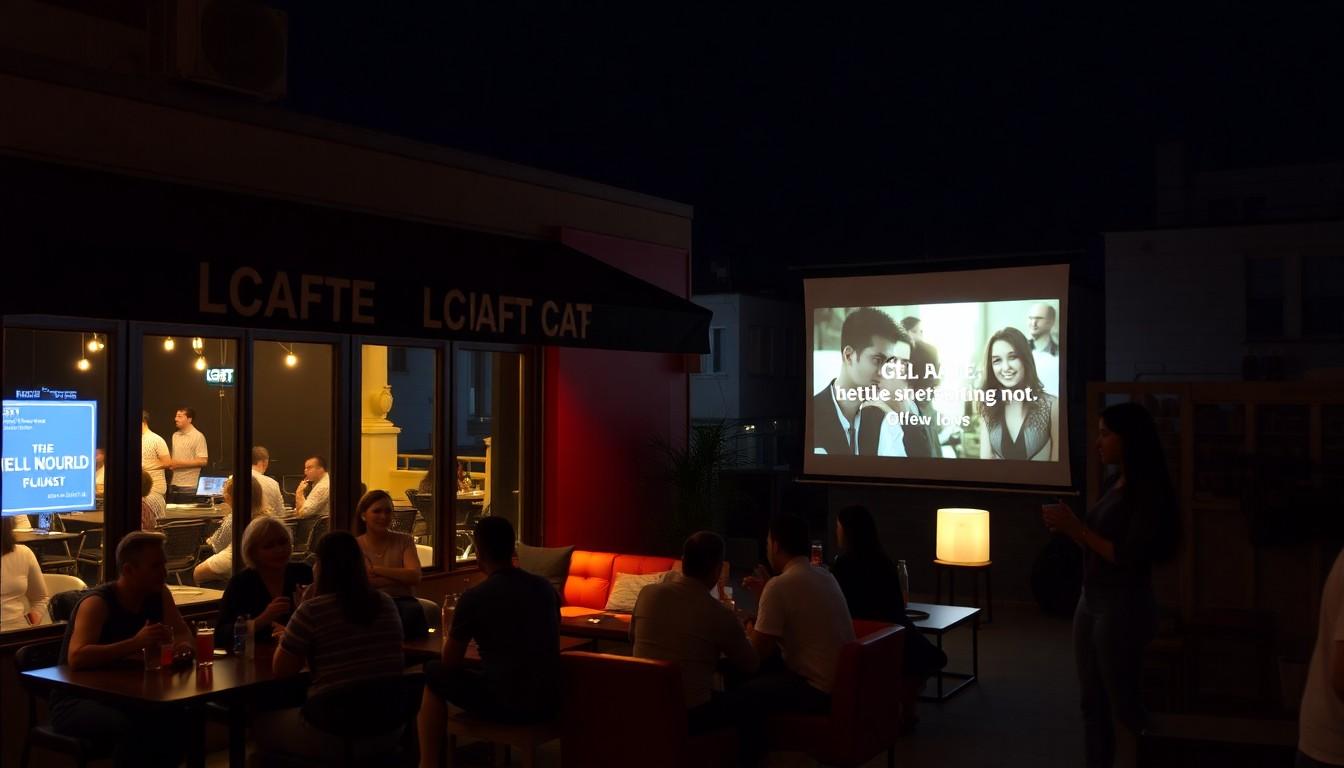
Shoppers, film fans and Pride-goers are flocking to community screenings of queer short films, turning small venues like The Millas Cafe in Cubao into lively hubs for LGBTQ+ storytelling that matter locally and emotionally. These events make representation visible, affordable and immediate.
Essential Takeaways
- Free-ish admission: Most community screenings ask only for a café purchase or small donation, so queer cinema is accessible and relaxed.
- Local flavour, global lenses: Programmes mix Filipino shorts with international pieces, offering varied textures and accents of queer life.
- Intimate venues, big discussions: Microcinemas and cafes create close-knit spaces for post-film talkbacks and audience connection.
- Filmmaking as resistance: Directors often frame queer stories as discovery and defiance, not just entertainment.
- Student roots, professional reach: Many shorts began as student projects but now travel festivals and community screens, proving modest origins don’t limit impact.
Why small screenings are the new must-see for Pride month
There’s a warm, slightly urgent buzz when a roomful of people settles into mismatched chairs for a community screening; the air smells of coffee and anticipation. Events like the Hyperfocus partnership with The Millas Hostel and Cafe prove that you don’t need a multiplex to feel the pull of queer cinema. According to reports on recent Pride programming, these pop-up shows are deliberately low-cost and social, making queer narratives easy to find for people who might not otherwise attend formal festivals. If you want a closer, more conversational movie night, start here.
What organisers are trying to do , representation with a local heartbeat
Hyperfocus’ YAAAS, QUEER! strand and other Pride-linked programmes aim to place queer stories where communities gather, not just in institutional festival circuits. The Millas’ microcinema in Cubao, for instance, hosted six shorts that mixed Filipino and international voices; organisers say this is part of a deliberate push to expand who gets to see themselves on screen. The strategy is simple: make films accessible, spark talkback sessions, and create a repeat audience that demands more representation.
The films themselves: small budgets, big ideas
Many of the shorts screened started life as student projects, yet they carry the textured specificity of places and people. Films set in thrift shops, decaying cinemas and Catholic school corridors foreground intimacy and uncertainty, and they often smell faintly of nostalgia and heat. Directors describe filmmaking as a means to ask questions rather than hand down answers, which you can feel in the awkward, tender beats of coming-of-age pieces. If you’re picking what to watch, favour films that centre lived detail , they’ll linger.
How these screenings fit the wider Pride festival map
Community screenings sit alongside larger initiatives such as the Film Development Council’s Pelikulaya and QCinema’s Pride festivals, creating a network of options from the formal to the grassroots. Where big festivals programme breadth and industry attention, small shows offer immediacy and conversation. Both are needed: one gives visibility on a national stage, the other builds local audiences and supports emerging filmmakers. For viewers, that means more chances to see stories that reflect everyday queer lives.
Practical tips for going to a community screening
Bring cash or be ready to buy a drink , many venues use café purchases as admission. Get there early to snag seats and join trivia or chat sessions that often open the night. If you care about accessibility, check organisers’ pages for subtitle info or venue mobility details. And stay for the talkback; these post-screen discussions are where directors explain choices, and where audiences exchange reactions that matter more than online likes.
It's a small change that can make every viewing feel like a shared act of solidarity.
Source Reference Map
Story idea inspired by: [1]
Sources by paragraph: