Shoppers, residents and activists packed Lake View for the 55th Chicago Pride Parade, where lively floats, family hugs and public-health advocacy met a clear message: queer people must stay visible and supported as rights and services face new pressure. It was sunny, loud and, for many, deeply moving.
- Big turnout: Thousands lined a 20-block route from North Broadway to West Diversey, with 155 entrants and four more floats than last year, creating a festive, bustling atmosphere.
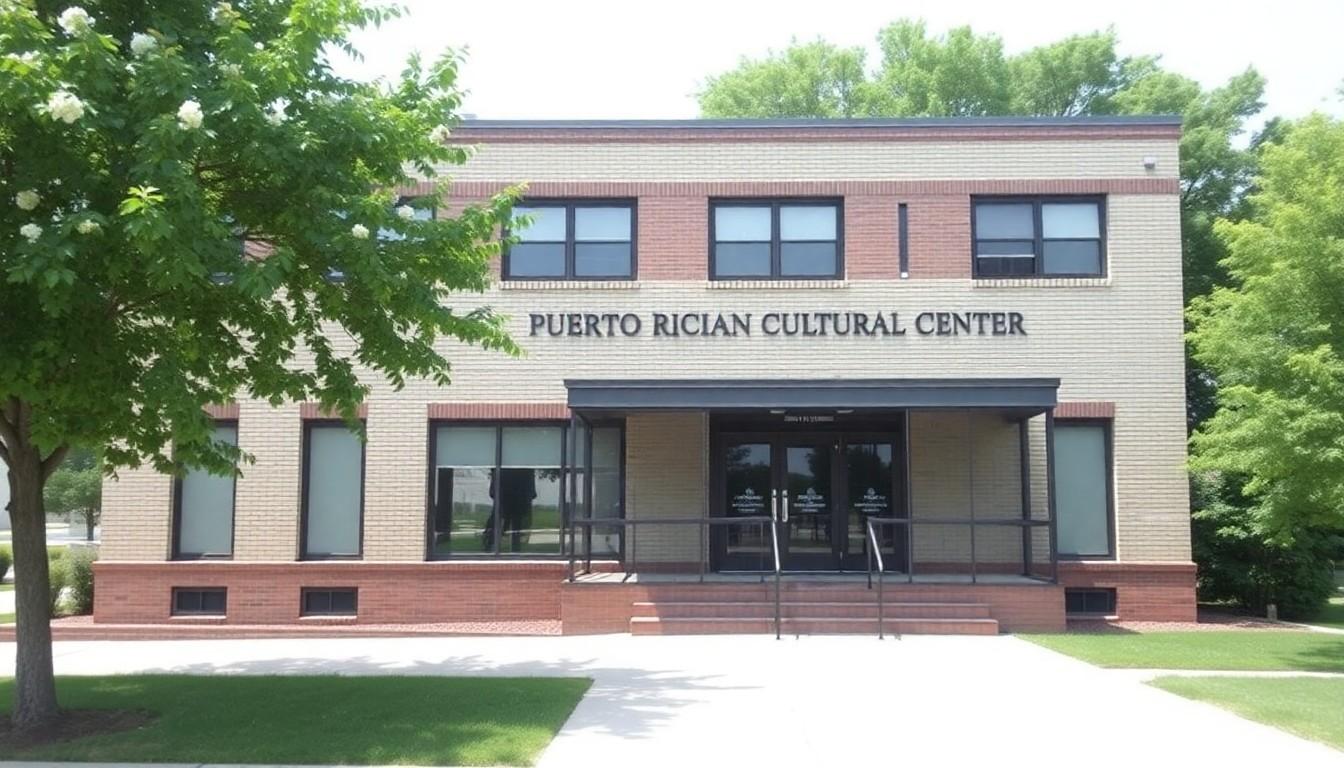
- Leader with a story: Ricardo Jiménez, director of public health initiatives at the Puerto Rican Cultural Center, marched up front , proud, vocal and steady , after a lifetime of activism and community care.
- Policy wins nearby: Illinois moved to protect trans care access with new laws signed the same weekend, including longer hormone prescriptions and changes to prescription tracking.
- Family and belonging: Young people, parents and allies filled the route; scenes ranged from crocheted hats and marching bands to tearful “Free mom hugs” moments.
- Safety and planning: City officials emphasised public-safety measures and route closures in the lead-up, helping keep the celebration orderly and accessible.
Parade energy: a bright, noisy display of belonging
The parade hit its stride under sun and high spirits, with spectators pressing close to the barriers and floats rolling by in a colourful, rhythmic procession. You could feel the heat of the day and the warmth of community , kids pointing at performers, teens marching confidently, elders clapping along. According to local coverage, the route stretched 20 blocks and attracted four extra floats compared with last year, making the event feel bigger and busier. For visitors and locals alike, it was a chance to be seen and to celebrate in public, which matters more now than it might have in quieter times.
A front-row activist: why Ricardo Jiménez mattered to the march
Ricardo Jiménez led the Puerto Rican Cultural Center’s contingent as the parade’s “Out Front” group, spotlighting work on HIV care, housing justice and anti‑homophobia efforts. His presence , a veteran organiser who survived decades of political struggle and who’s spent years counselling people living with HIV , brought a raw, moral clarity to the day. He told reporters he’s proud of both his Puerto Rican identity and his queerness, and he suggested older modes of activism might be needed again if services and rights continue to be threatened. It was a reminder that Pride isn’t just party; it’s about protection and persistence.
Policy beats and public health: victories and warnings
The parade coincided with state action: Illinois’ governor signed measures to ease access to gender-affirming hormones and to remove barriers from prescription tracking, a practical win for many trans people. At the same time, Jiménez and other advocates warned about funding cuts for HIV treatment and broader attacks on queer rights nationwide. Organisers framed the parade’s theme as “Free to Be Proud,” and the mix of celebration and policy talk underscored how cultural visibility and legislative work now go hand in hand. If you come to Pride in future years, expect both glitter and petitions.
Faces of the crowd: comfort, creativity and kinship
There were small, human scenes that stuck with people , a pair of friends who drove hours from central Illinois wearing handmade queer-flecked hats, for instance, and a PFLAG volunteer offering hugs from behind the barrier. Young attendees, some on their own, signalled how families and communities are changing; older participants nodded that seeing teens out and proud remains inspiring. For many, the parade felt like a practical tap on the shoulder: you’re not alone, you belong. That emotional currency is why so many travel across the city, or the state, to be part of the route.
How the city kept things moving and safe
City officials and the police department laid out street closures and public-safety plans ahead of the parade, aiming to keep marching routes clear and crowds safe. Those logistical moves helped the event feel orderly even with larger numbers and extra floats. For anyone planning to attend future parades, it’s worth checking official route maps, bring sun protection, scout shady viewing spots and allow extra time for travel , especially if you’re meeting friends or carrying signs and banners.
It's a small change in one weekend, but the combination of visibility, advocacy and practical support makes Pride more than a celebration , it’s a defence of hard-won rights.
Source Reference Map
Story idea inspired by: [1]
Sources by paragraph: