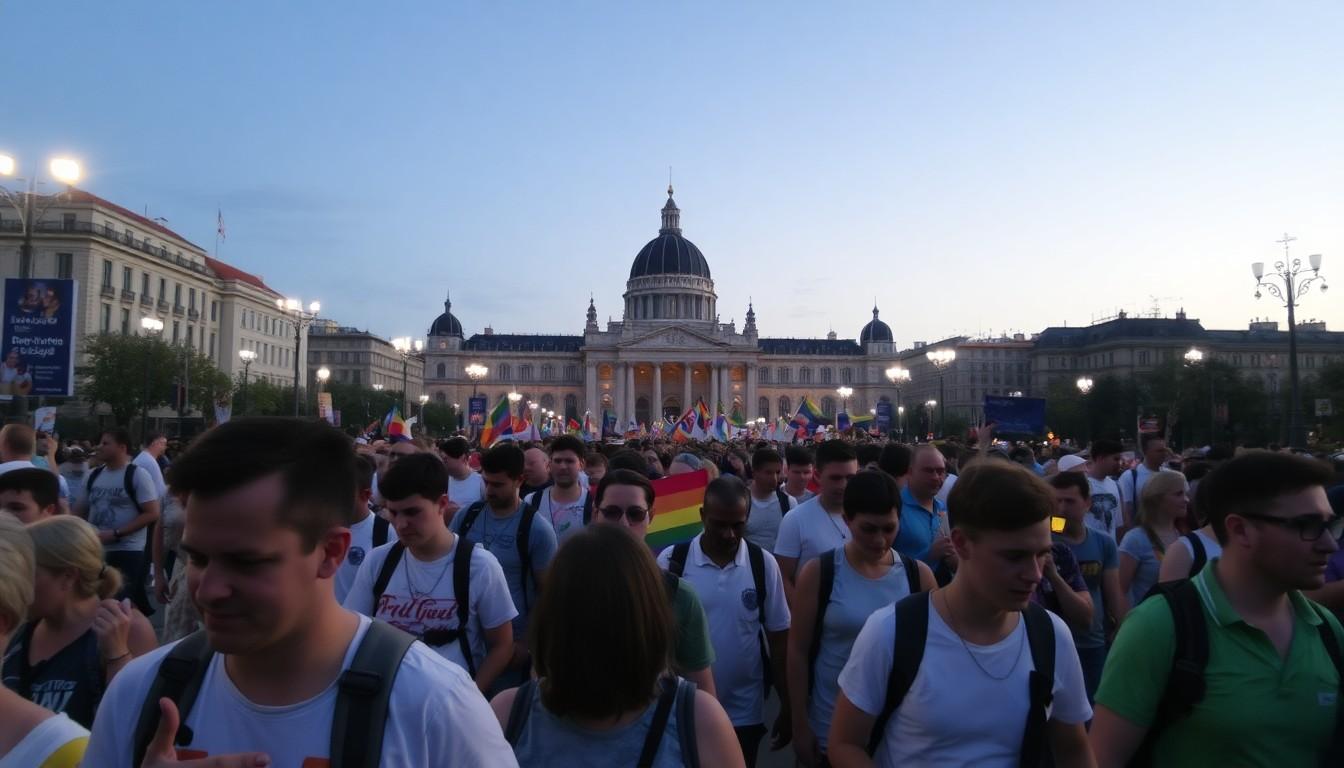
Tens of thousands marched in Budapest this June as organisers and allies celebrated the first Pride since Viktor Orbán’s defeat , a vivid, sun‑baked display of relief, optimism and the hard politics behind public joy. Here’s what happened, why it mattered, and what to watch next for LGBTQ+ rights in Hungary.
Essential Takeaways
- Huge turnout: Tens of thousands joined the march through central Budapest, echoing last year’s record crowds and creating a bright, lively atmosphere.
- Heat and spectacle: Participants endured scorching 38°C temperatures, but the mood stayed upbeat and colourful, with music, banners and multi‑generational groups.
- Political shift: The parade went ahead after Orbán’s party lost April’s election; the new government allowed the event despite previous legislation that would have banned Pride in 2025.
- Signs of cautious optimism: Many attendees described a lighter, more relaxed atmosphere and greater visibility of older supporters, reflecting a shift in public sentiment.
- Legal and civic questions remain: Despite the lifted ban, some Orbán-era laws restricting LGBTQ+ rights still stand, so activists see progress as hopeful but incomplete.
A sun‑soaked march with a different tone
The opening image was striking: crowds setting off from the opera house under a scorching sky, colours vivid against a heatwave backdrop. Reporters noted the sheer scale and warmth of the event, and how the mood felt , lighter, even celebratory. That sensory contrast, loud music and laughter amid a blistering day, gave the parade an immediate emotional charge.
This wasn’t just merriment. For many it was a public exhale after years of tense street politics. Observers and participants told reporters they felt the atmosphere had loosened compared with recent years, and that older people were turning up in larger numbers, signalling a broader social embrace.
Why the timing matters: politics and permission
The parade’s return to the streets followed a major political change: Viktor Orbán’s coalition was defeated in April after a 16‑year run in power. His administration had pushed several anti‑LGBTQ+ laws, from banning gender changes on documents to curtailing LGBTQ+ content in schools, and even proposed a formal ban on Pride events for 2025.
With a new government in place, police authorised the march; the ban that had been on the table was not enforced. Still, campaigners warned that many of the old laws remain on the books, so permission to march is an important win , but not an automatic restoration of full rights.
Voices on the ground: hope mixed with realism
People at the march described a mood of relief and cautious optimism. Young marchers spoke about uplift and hope for equal rights, while older attendees emphasised a sense of regained freedom. Those on the ground compared this Pride to past years of anxiety and confrontation, saying it simply felt more relaxed.
But activists and legal experts remind us that policy change lagged behind streetside joy. The political shift offers real opportunities , for repeals, legal challenges and new protections , yet those changes will require sustained pressure and time.
Legal knock‑on effects to watch
Although the immediate threat of a Pride ban was lifted, the structural legacies of the previous government remain relevant. Restrictions on adoption by same‑sex couples, rules banning gender recognition on documents and school‑related censorship are still part of the legal landscape, and reversing them will take legislation and court battles.
Observers, including civil society groups, are watching municipal moves too; some prosecutions tied to organising Pride were recently dropped, hinting at a changing legal posture but also the fragility of progress.
What this means for supporters and visitors
If you’re planning to attend future Budapest Pride events or support Hungarian LGBTQ+ groups from abroad, a few practical notes matter: expect large crowds and hot weather in summer, so bring water and sun protection; respect the mix of celebration and political messaging , many marchers are there to demand legal change as well as dance; and consider donating or volunteering with local NGOs that are working on legal reform.
The parade showed that public solidarity still moves the needle, but real rights need follow‑through.
It’s a small, powerful sign that change is possible , now the work begins to turn permission into lasting protection.
Source Reference Map
Story idea inspired by: [1]
Sources by paragraph: