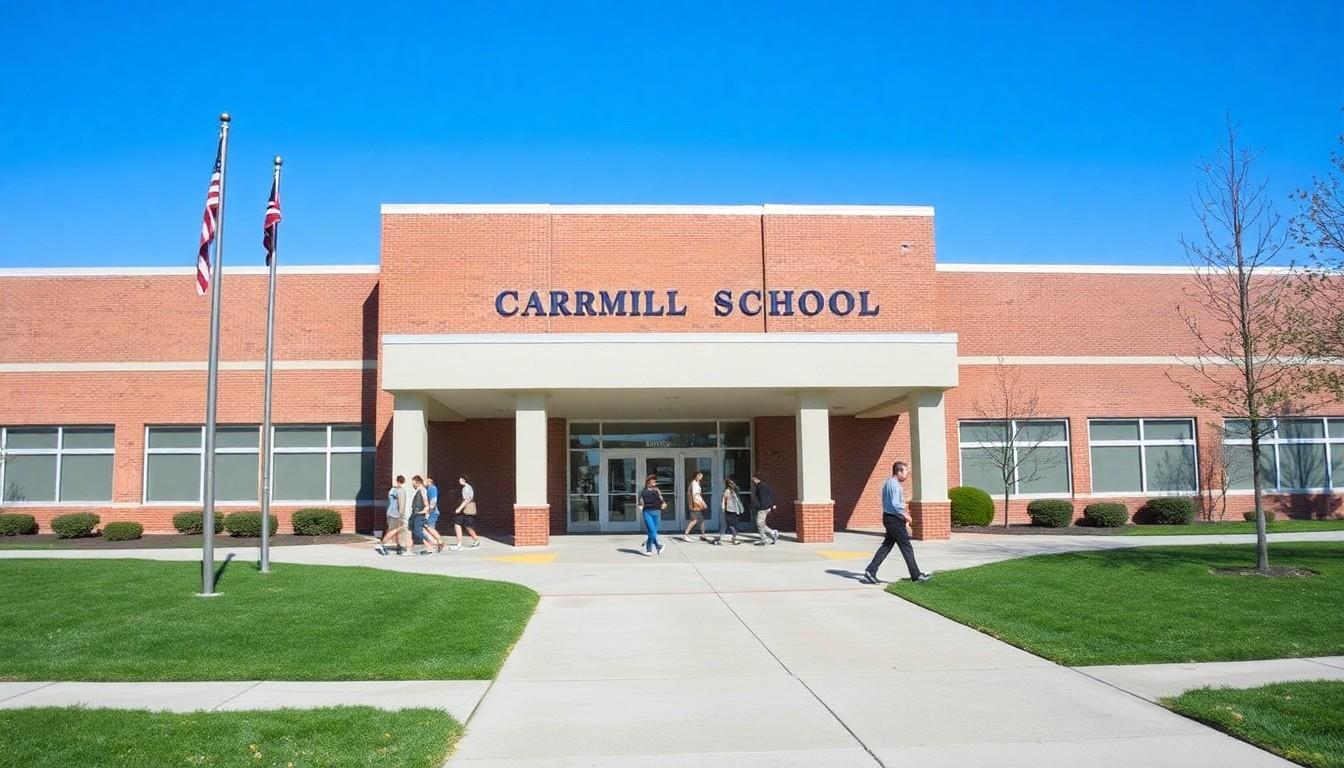
Shoppers and parents are watching donations quietly reshape local pride events; here's who’s giving, how funds travel, and why it matters for children in conservative communities. This piece untangles corporate grants, youth organisers, and practical ways families can understand what’s happening in towns like Carmel, Indiana.
Essential Takeaways
- Big donors matter: National nonprofits such as It Gets Better funnel grants that can scale student-led events into citywide festivals.
- Young organisers in front: Teen-run GSAs often lead the planning, creating a grassroots feel even when outside money grows the event.
- Corporate links are visible: Brands and foundations that support LGBTQ causes show up on charity financial statements and local donor lists.
- Practical concern: Parents and schools want clarity on age-appropriate content and event policies; those details aren’t always public.
- What you can do: Ask organisers for programming guides, volunteer at events, or propose simple safeguards for minors.
How a high-school club can turn a street fair into a big-city-feel festival
Carmel’s pride festival began as a student idea and quickly ballooned into one of the state’s largest events, with thousands attending. That surprising growth feels buoyant and celebratory, with colourful stalls and loud music, but it also owes a lot to outside money. According to organisers and local reporting, the initial spark came from a Gender and Sexuality Alliance club at a local high school, and subsequent years included grants that let the students book acts and expand programming. For families in conservative counties, the contrast between a modest school club and a city-scale festival can be striking.
Grants and programmes: the mechanics of scaling up youth-led projects
National programmes exist precisely to back youth groups in all 50 states, and they’re designed to amplify student voices. The It Gets Better initiative and its 50 States. 50 Grants. 5000 Voices programme publicly describes funding middle and high school projects aimed at uplifting LGBTQ youth. PR and grant releases highlight that money often goes to traditionally conservative areas, which is the point: to support young people wherever they are. That model explains the jump from a 2,500-strong student event to thousands of attendees in later years, and it’s worth noting fund sizes can range from modest seed grants to more substantial sums that change what an event can offer.
Who’s writing the checks , and why corporate names show up in small-town programmes
You’ll find cosmetic brands, retailers and foundations listed on charity financials and local donor pages, and those corporate contributions are public. Big consumer-facing companies have charitable arms and marketing incentives to support diversity initiatives, and their giving can be both philanthropic and brand-savvy. Analysts looking at giving patterns also point to how major asset managers hold stakes across many of these companies, creating a throughline from shareholders to social causes. For readers who track corporate responsibility or shareholder influence, those connections matter because they help explain why a national brand might support a youth grant in a quiet midwestern town.
What parents, schools and organisers should ask about kids’ exposure
Local school clubs often run events with a youth-first approach, yet parents understandably want transparency on programming and content. Practical steps include requesting event schedules, performance line-ups, and any policies about adult-only areas or material deemed mature. Schools and district offices can clarify whether clubs are officially school-sponsored and what oversight exists. Volunteers at events can also help manage spaces that are meant to be family-friendly, and asking organisers for clear signage and age guidance is a reasonable request.
Balancing youth empowerment with community standards , the tricky middle ground
There’s no single right answer when student groups want to celebrate identity in public. Many young people gain confidence and belonging from organising events, while neighbours may worry about content and the influence of large donors. Good local practice looks like clear communication: organisers listing sponsors and programming, donors naming grant purposes, and school districts explaining their relationship to student clubs. That kind of openness tends to calm tensions and lets communities decide what’s appropriate for different ages.
It's a small change that can make every local celebration safer and more understandable for families and organisers alike.
Source Reference Map
Story idea inspired by: [1]
Sources by paragraph: