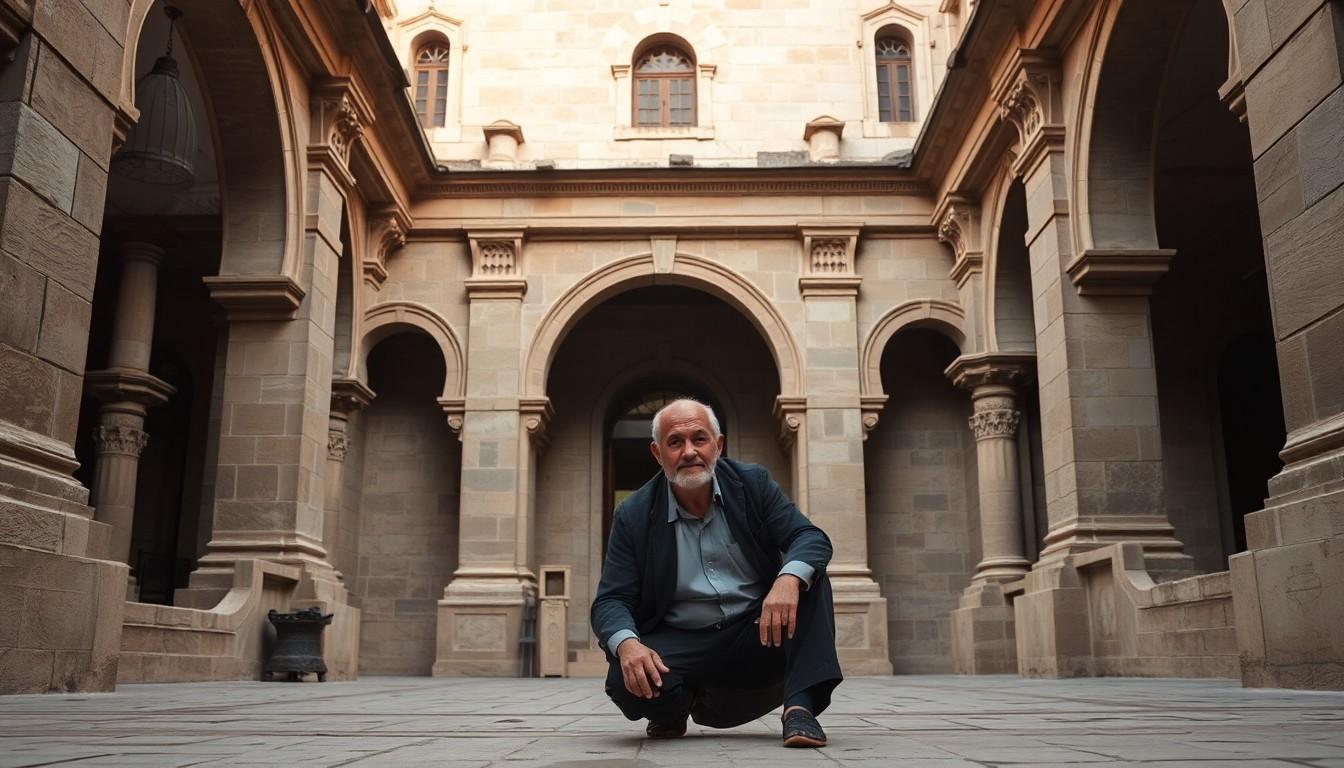
Shoppers and fans alike paused when Dr Nasser Mohammed walked into the Santa Clara stadium wearing a reimagined bisht , a bold, visual protest at a Qatar vs Switzerland match that put queer rights, tradition and spectacle center stage. It mattered because it turned a familiar symbol into a clear message: love is not a crime.
- Historic gesture: A traditional Qatari bisht was restyled with Arabic calligraphy for “love” and “freedom,” plus rainbow detailing, creating a striking visual contrast.
- Personal milestone: Dr Nasser Mohammed, who publicly came out in 2022 and later sought safety abroad, appeared visibly and defiantly in US soil.
- Political backing: California State Senator Scott Wiener accompanied Mohammed, reinforcing the civil-rights framing and drawing broader attention.
- Public feeling: The moment felt both celebratory and urgent , ceremonial gold with a quiet, determined message that challenges norms.
- Practical impact: The appearance amplified conversations about asylum, LGBTQ rights in the Gulf and how cultural symbols can be repurposed for protest.
A bold robe turned into a message , and stadiums noticed
The strongest image from the Santa Clara match wasn’t a goal but a reworked bisht that looked both familiar and reimagined, a soft gold fabric threaded with rainbow accents that made you do a double-take. Fans and cameras picked up on the detail: Arabic calligraphy for “love” and “freedom” stitched where ceremonial trim usually sits. It felt like tradition leaning into a protest, and that friction is precisely what made the moment newsworthy.
Backstory matters here. The bisht famously became part of World Cup imagery in 2022 when a Qatari leader draped it over Lionel Messi. Reworking that robe into a statement at a US-hosted match flipped the script, taking something associated with diplomatic theatre and turning it into a platform for someone who had to flee his homeland to be himself.
If you’re thinking about symbolism, this was textbook: cultural object, global stage, human story. And it’s not just aesthetics , actions like this nudge public conversation, and they stick because they’re visual and human.
Who is Dr Nasser Mohammed, and why this felt like a homecoming
Dr Nasser Mohammed became the first Qatari to publicly come out as gay in 2022, a move that carried personal and legal risk given his country’s stance on LGBTQ people. He later sought safety away from Qatar, and his appearance in Santa Clara felt like the end of a hard arc , a refugee’s return of sorts, but on his own terms.
People who’ve followed his story have described the asylum process as difficult and intrusive, with many practical and emotional hurdles. Seeing him stand openly in a stadium in the United States , in a garment that references his cultural roots , gave the moment an extra layer of poignancy; it was both a protest and a personal reclamation.
That mix of vulnerability and defiance is why the gesture resonated beyond immediate supporters: it placed a human face on policies and cultural taboos.
Senator Scott Wiener’s presence made it a political statement
When a state senator joins such a visibly staged act, the framing shifts. Senator Scott Wiener’s accompaniment turned a powerful personal act into a clear political message about civil rights and public support for LGBTQ people in exile. It was a signal that this was more than theatre , it was advocacy.
Wiener’s involvement underscores how domestic politics and international human-rights stories intersect. Public figures supporting asylum-seekers and LGBTQ rights give those stories oxygen and make it harder for them to be ignored.
For anyone wondering whether political allies matter, this moment showed they can change the headlines and add a layer of official recognition.
Why reworking a cultural garment matters in protest terms
Cultural symbols carry weight; altering them can be provocative. Re-styling the bisht did two things: it honoured an aesthetic tied to Mohammed’s heritage, and it used that familiarity to make a point about inclusion. Instead of rejecting culture, the gesture reclaimed it.
That’s an important tactic in activism. You don’t always need to shout to be heard , sometimes you redirect attention by transforming a known symbol. It helps the message land with nuance: you can celebrate roots and critique policies at the same time.
If you’re thinking of how to make a protest both resonant and respectful, this is a practical case study: blend authenticity with creativity, and you’ll get people looking twice.
Where this leaves the conversation on asylum and LGBTQ rights
The Santa Clara appearance didn’t solve policy, but it did reframe the conversation in human terms. Media and advocates amplified Mohammed’s message , “love is not a crime” , and that makes a difference when legislators, journalists and the public are weighing asylum rules and human-rights protections.
Looking ahead, moments like this tend to ripple: they shift perceptions, encourage other visible acts of solidarity and remind policymakers that these are not abstract issues. For those following asylum cases and LGBTQ rights, the image of a reimagined bisht is likely to stick as a symbol of both struggle and resistance.
It’s a reminder that fashion, culture and politics still make for effective storytelling.
It's a small change that can make every public gesture more meaningful.
Source Reference Map
Story idea inspired by: [1]
Sources by paragraph: