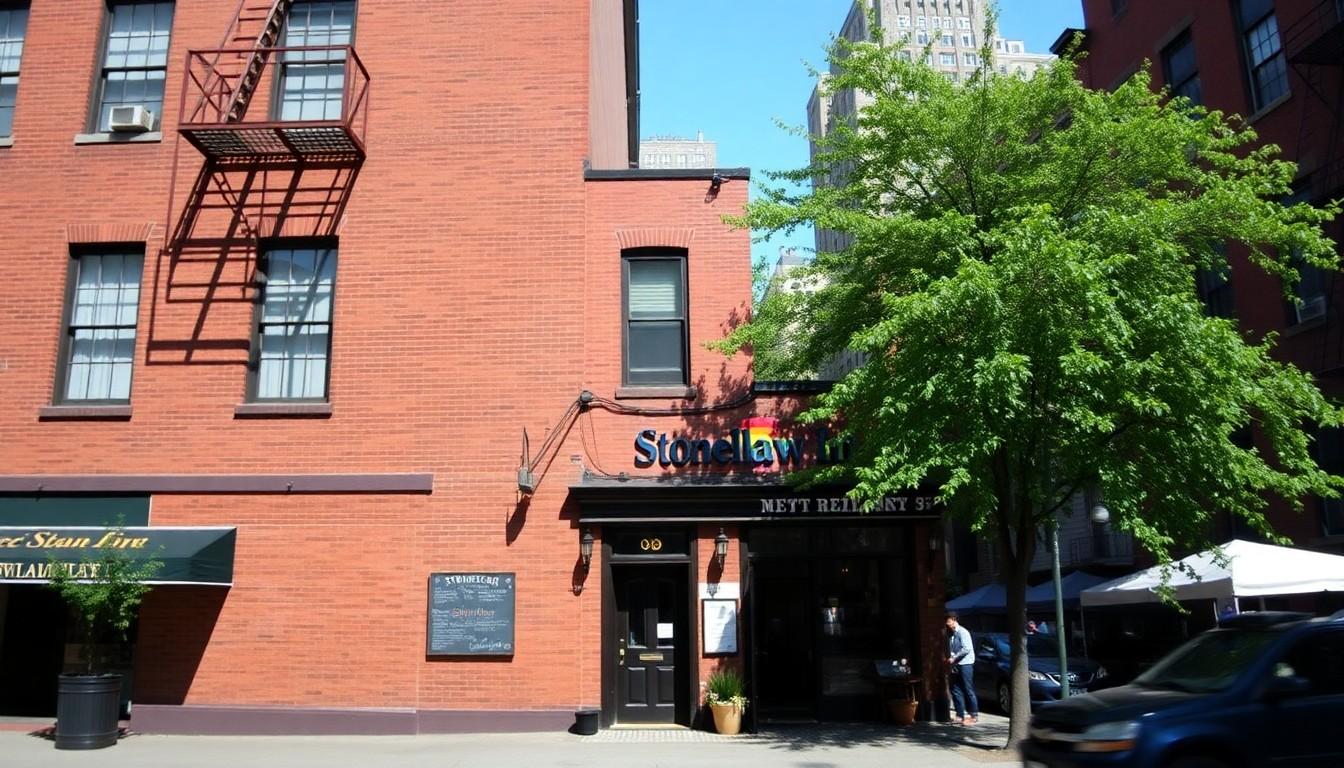
Celebrate, reflect and recommit: communities and allies are marking 57 years since the Stonewall uprising, remembering the raid that sparked the modern LGBTQ+ rights movement and why those events still shape politics, culture and everyday lives across the US and beyond.
Essential Takeaways
- Historic spark: The 1969 Stonewall raid in Greenwich Village ignited the modern LGBTQ+ rights movement and changed public protest for queer people.
- Long arc: Progress has included 1970s liberation, the AIDS crisis that galvanised activism, and legal wins like marriage equality and repeal of Don’t Ask/Don’t Tell.
- Ongoing struggle: Recent controversies , from flag removals to debates over public commemoration , show the fight for recognition and safety isn’t finished.
- Personal stakes: For many, Stonewall is lived memory; it’s behind the vigour of marches, the shape of elected representation, and the quiet choices people make to live openly.
Why Stonewall still feels electric
Stonewall wasn’t a single victorious moment so much as the fuse for a movement, and you can still feel the charge. Witnesses describe a cramped, noisy bar and a community pushed too far , that tension broke into sustained resistance, which looked loud, messy and utterly human. According to National Geographic and other chroniclers, those nights in June 1969 became a turning point for public protest and visibility.
The story matters because it reframes protest as pride. Where earlier decades forced invisibility, Stonewall helped normalise being seen and heard. If you visit anniversaries and memorials, there’s always a mix of celebration and sombre remembering , laughter and tears at the same time.
What came after: decades that reshaped everything
The 1970s brought experimentation, visibility and community-building; the 1980s brought tragedy and fierce organising when AIDS devastated lives and institutions. History.com’s timelines show how each era demanded different tools: parades turned into policy campaigns, and grief became grassroots infrastructure.
That arc explains why rights felt to many both sudden and earned. Legal milestones like marriage equality or policy shifts in the military are visible peaks, but the real work happened in clinics, kitchens, church basements and picket lines. If you’re explaining Stonewall to someone new, start with that: it’s as much about refusal to be erased as it is about laws.
The politics of memory: apologies, flags and public space
Memory isn’t neutral. Institutions shift how they remember and who they honour. The New York Times reported on an NYPD apology that acknowledged past harms, a gesture that matters symbolically even as critics demand structural change. And more recently, Axios covered disputes over Pride flags and National Park Service displays, showing how commemoration itself has become political.
Those debates are practical, too. When a flag comes down or a plaque is moved, it affects where people gather and what stories are told to visitors. If you want to support honest remembrance, look for local groups working on education and preservation , they’re often the ones keeping the story alive, not just the photo ops.
How people carry Stonewall forward today
You’ll see Stonewall’s influence everywhere: openly LGBTQ+ politicians in legislatures, community centres offering support, media storytelling that centres queer lives. Congressional statements mark the anniversary and activists use it as a rallying point to push for anti-discrimination protections and healthcare access.
For families and allies, Stonewall is both history lesson and call to action. Encourage young people to read first-hand accounts, attend local Pride events, and volunteer with organisations focused on housing, health and legal aid. Those small acts are how history becomes living solidarity.
Practical ways to observe and get involved
If you want to mark this anniversary with purpose, pick one clear action. Donate to a community clinic or a youth shelter, attend an educational event, or volunteer at a Pride parade. Local historical societies often need oral histories and help preserving archives , that preserves voices that might otherwise be lost.
And remember the personal side: talk to older community members, listen to their memories. Those conversations are quietly transformative; they turn slogans into stories, and stories into responsibility.
It's a small change that can make every remembrance count.
Source Reference Map
Story idea inspired by: [1]
Sources by paragraph: