Remembering matters: activists, historians and communities are revisiting Stonewall’s anniversary and the lesser-known Southern actions that shaped LGBTQ+ organising, so readers can appreciate a fuller, richer Pride history that matters to activists and families alike.
Essential Takeaways
- Stonewall’s status: Stonewall National Monument is back to flying the Pride flag permanently after legal pressure and advocacy pushed the administration to restore it.
- Southern flashpoints: Events like Atlanta’s Lonesome Cowboys raid played a pivotal role in southern LGBTQ+ organising and deserve equal attention.
- Local organising felt different: Southern communities often created discreet, resilient networks suited to rural and small-city life, with a quieter but lasting impact.
- How to honour history: Visit sites, watch archival footage and support community archives to keep these stories alive; many resources are easy to access online.
Why Stonewall still matters , and why the flag fight mattered emotionally
Stonewall remains a powerful symbol precisely because it’s vivid and visual: a flag, a memorial and a story that people recognise instantly. The recent legal battle to ensure the Pride flag is permanently flown at the Stonewall National Monument drew national attention and reminded people how symbolic acts, raising a flag, protecting a sign, still carry emotional weight. According to reporting in The Guardian, advocacy groups challenged the removal and secured a lasting policy reversal, underscoring that cultural symbols are contested and worth defending.
That fight matters because symbols help anchor memory, especially for younger people who didn’t live through the late 1960s. When a public monument displays a Pride flag, it says out loud that queer lives are part of national history. If you want to show solidarity, visiting the site, sharing verified historical background, or supporting organisations that defend symbolic representation are simple, practical moves.
The South’s own story: the Lonesome Cowboys raid and Atlanta’s role
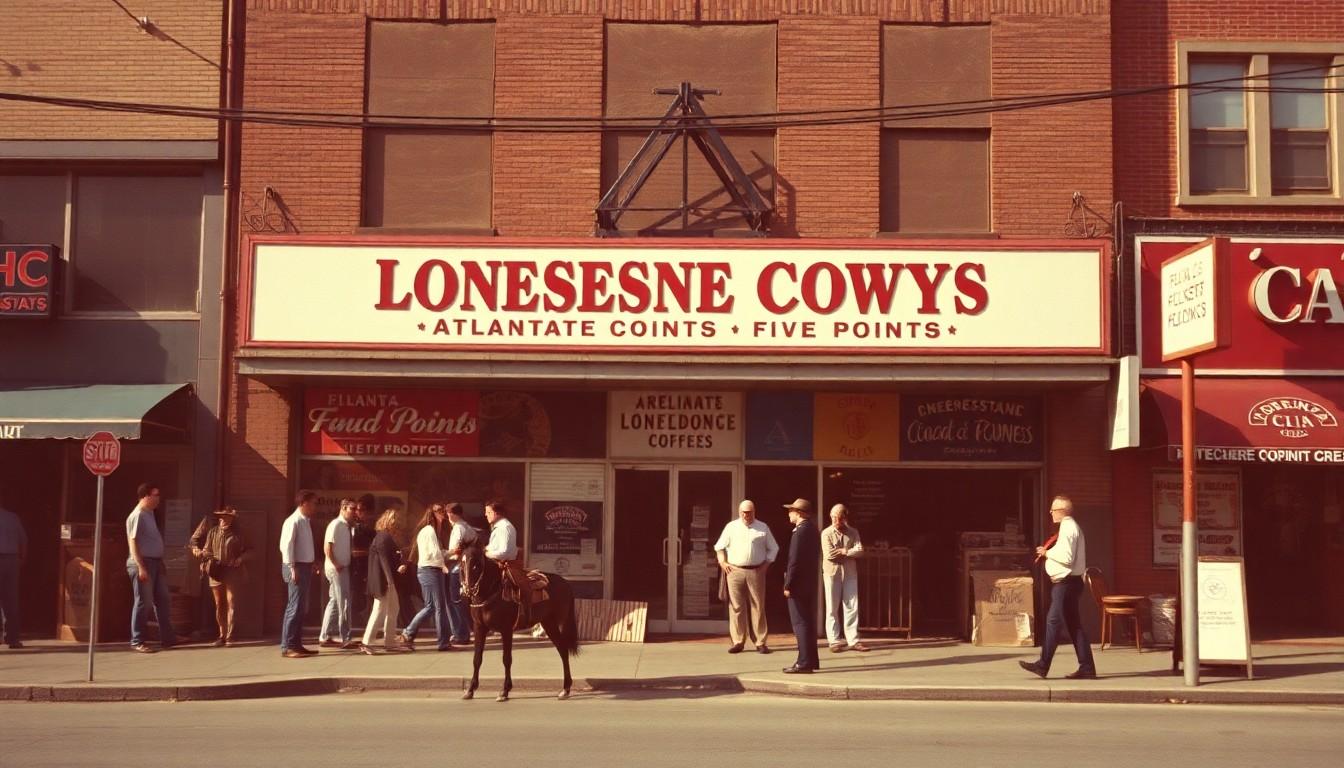
Not every important LGBTQ+ uprising happened in New York. In Atlanta, a 1969 police raid at a screening of Andy Warhol’s Lonesome Cowboys sparked a wave of protest that historians now call “the Stonewall of the South.” Smithsonian Magazine and local reporting highlight how that event catalysed southern activists, producing a different kind of movement that was attuned to regional realities.
Southern organising often had to be nimble and locally rooted, working in small towns and tight-knit communities where exposure could be dangerous. Joshua Burford of Invisible Histories has explained that southern activists developed tactics that made sense for their contexts, and in many cases were as effective as high-profile urban protests. So when you read history, look past the headline events and seek the local stories that sustained the movement over decades.
How archives and video projects are changing what we know
Lambda Legal and community archives have been active in documenting these less-publicised moments, producing video series and oral histories that fill gaps left by mainstream narratives. Watching these short films or listening to recorded interviews brings texture to the past; you can hear the tone, the fear and the humour that dry facts can’t capture.
If you want to get involved, organisations like Invisible Histories welcome material donations and volunteer help cataloguing items. Meanwhile, the National Park Service and partner organisations maintain resources about Stonewall and other sites, so a quick online search gives you access to primary material and curated exhibits. These projects make the past accessible, and they’re a quiet but powerful way to keep community memory alive.
Visiting, supporting and teaching: practical ways to honour Pride history
Want to make a day of it? Combine a visit to memorial sites with a stop at a local archive or LGBTQ+ centre. The Stonewall National Monument has interpretive materials that explain why the site was selected and how it’s commemorated, while local museums and community projects often host talks or screenings that expand on regional history.
If you’re teaching younger people, use short videos and first-person accounts rather than encyclopaedic lectures, stories stick better when they’re human. And if you’re donating time or money, think local: community archives and grassroots groups often operate on shoestring budgets and will stretch support further than larger institutions.
What this fuller history means for Pride’s future
A broader historical view softens the idea that LGBTQ+ activism is a single, dramatic moment; instead it becomes a quilt of actions, strategies and survival. That’s hopeful because it means resilience was never tied to one city or one tactic. It also nudges Pride forward toward inclusion: acknowledging the South’s role and other overlooked corners helps build solidarity across regions and generations.
So this Pride, celebrate the big anniversaries but also ask where local histories might be waiting. It’s a small shift that brings more people into the story and makes remembrance feel relevant rather than ceremonial.
It's a small change that can make every anniversary feel more honest and more connective.
Source Reference Map
Story idea inspired by: [1]
Sources by paragraph: