Starting slowly helps: survivors are choosing patience, practical supports, and clear boundaries as they rebuild trust, connection and safety after emotional, physical or sexual abuse. This guide explains how to recover, practise safe intimacy outside romance, and ease back into dating when you’re ready.
- Take your time: Healing is gradual and often non-linear; patience and self-compassion matter more than deadlines.
- Relearn safety through friendship: Consistent, kind platonic relationships provide corrective experiences that soothe the nervous system.
- Use professional support: Therapy can help process trauma, identify trauma-bonding patterns, and practise boundary-setting.
- Trust tests matter: Honest conversations and watching how people respond to your needs are reliable early indicators of a partner’s suitability.
- Small practices help day-to-day: Grounding exercises, clear routines, and a supportive network make fear and hypervigilance feel less overwhelming.
Start with one clear truth: you’re not broken, you’ve been harmed
The most useful, immediate thing to hold on to is that abuse damages safety, not worth. That recognition can feel like a small, warm light when the past has left you wired to expect danger. According to PsychCentral and recovery experts, naming the harm and its effects on your nervous system helps begin the repair work. It’s normal to feel stuck, confused or ashamed at first , those are nervous-system reactions to threat , and they won’t disappear overnight. Being gentle with yourself and removing pressure to “move on” quickly makes recovery manageable rather than overwhelming.
Rebuild feelings of safety in non-romantic intimacy first
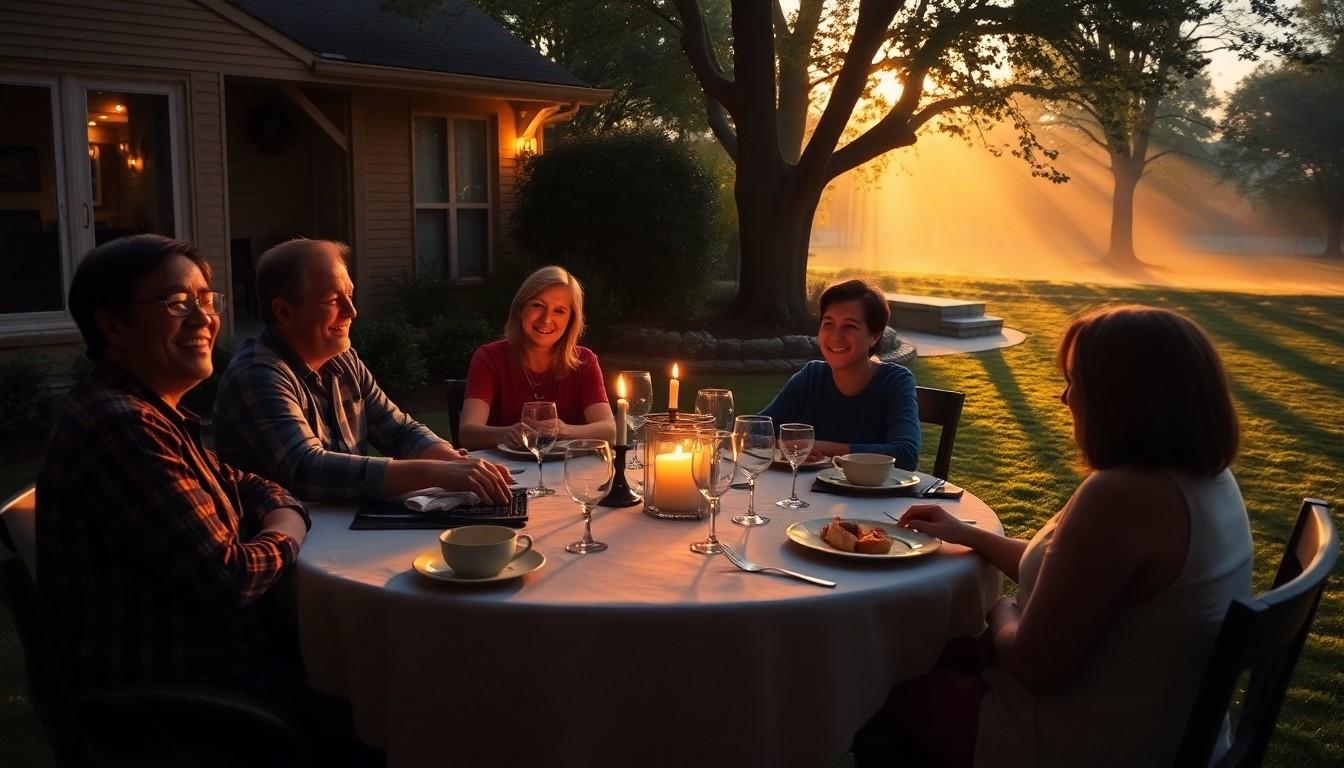
Practising intimacy with friends or family gives you repeated, low-stakes chances to relearn trust. Healthline and Medical News Today both note that living with a new partner after abuse is easier when a person’s social supports have already modelled reliability and calm. Start small: shared meals, check-in calls, or asking a friend for practical help are all ways to show up vulnerably and be met with steadiness. These experiences retrain your body to expect safety, not threat, which is essential before you invite romance back in.
Therapy isn’t a luxury , it’s a rehearsal for healthier relationships
A therapist offers more than talk; they can be a corrective relational experience where vulnerability is received and processed without harm. PsychCentral and Psychology Today describe therapy as key for unpacking trauma bonds, learning to set boundaries, and getting tools to manage flashbacks or hypervigilance. Look for clinicians with trauma-informed training and, if relevant, LGBTQ+ competence. Even short-term work can give you scripts for saying no, techniques for grounding during panic, and clearer sense of what you want from future partners.
How to know you’re ready to date (and how to test it safely)
There’s no single signal that you’re “ready,” but curiosity, stable supports, and some comfort setting limits are good signs. Start with low-pressure socialising rather than jumping into exclusive dating. When you do meet someone, share boundaries early and notice how they respond , actions matter more than reassurances. If a potential partner becomes defensive, minimises your experience, or pressures you to move faster than feels comfortable, treat those as red flags. Ask trusted friends to give honest feedback; a few outside perspectives can spot worrying patterns before you get too invested.
Practical steps you can use right now to feel steadier
Create a short list of go-to grounding techniques , breath work, a five-sensory checklist, or a walk , and practise them daily so they’re available in stressful moments. Keep a named support list: people you can text at 9pm, call when nervous, or visit for company. Set small, measurable relationship goals: three platonic check-ins a week, one therapy session a fortnight, or one low-key date a month when you feel ready. Celebrate tiny successes; they add up and reinforce your growing sense of safety.
Looking ahead: openness without rush
Healing and loving after abuse are both possible, and they don’t follow the same timetable for everyone. As you rebuild, allow curiosity alongside caution, and prioritise relationships that show up consistently. Over time, repeated, safe experiences will erode fear and create space for joy. If you’re ever unsure, reach out , local hotlines, mental-health services, and trauma-informed practitioners can help you plan next steps and keep you safe.
It’s a small change at a time that gets you back to trusting and loving on your terms.
Source Reference Map
Story idea inspired by: [1]
Sources by paragraph: