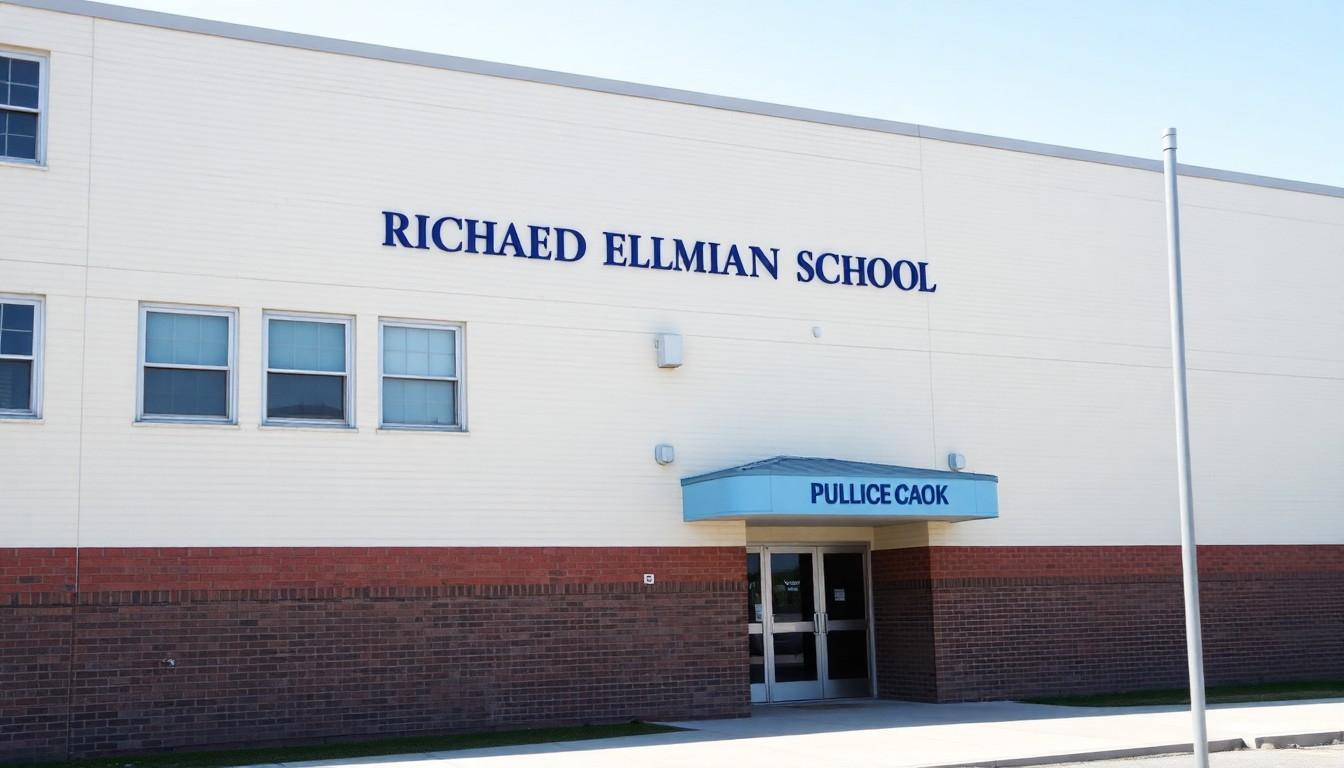
Spot parents are reacting loudly after a Michigan elementary school hosted a Pride event with family drag performances; local families say it crossed a line, school leaders say it was community-focused, and the debate matters for how districts handle LGBTQ+ programming going forward.
Essential Takeaways
- Event details: A Grosse Pointe public elementary hosted a Pride march and "family-friendly" drag performances, with children taking part in activities and an interactive story time.
- Parents' concern: Videos shared by a local watchdog show children appearing to tip performers, which many parents describe as inappropriate for elementary pupils.
- School response: The event was organised by a pro-LGBT group and promoted as family friendly; district oversight and communication are now central issues.
- Wider trend: Similar incidents and heated reactions have surfaced elsewhere, making Pride programming in schools a flashpoint this summer.
- Practical next steps: Parents can review school policies, request clearer boundaries for age-appropriate content, and engage in constructive school-district dialogue.
What actually happened at the Grosse Pointe event and why it matters
Video from the day shows a march that began on school grounds, a story time for children and what organisers called "family-friendly Drag Performances." Some clips sparked particular alarm because youngsters can be seen placing dollar bills toward performers, which many parents found jarring. According to local reporting, the event was put on by a community LGBT group and promoted as inclusive and celebratory.
This matters because public schools are seen as neutral spaces by many taxpayers, and parental expectations about age-appropriate activities are high. For some families, a Pride march and drag performers on or starting from school property felt like an endorsement of one viewpoint, rather than a neutral celebration. Others insist community events that include diverse families are part of modern school life.
Why parents are organising and what they're asking for
A parent watchdog group in the district quickly shared clips on social media and called for action, urging families to demand clearer standards and transparency. Parents say they want advance notice about events, stronger policies that set age-appropriate boundaries, and assurance schools won't host activities they consider divisive during school hours or on school property.
If you're a parent worried about a similar event, collect the facts , what was advertised, who organised it, and where it took place. Then raise questions calmly at the next PTA or school-board meeting. Clear, documented concerns tend to get more traction than emotional posts alone.
How schools and community groups defend inclusive events
Organisers and some school officials have described such events as intended to be family-oriented and welcoming to LGBTQ+ families. They argue that community celebrations promote inclusivity and that "family-friendly" programming can be tailored for younger audiences.
Still, the line between celebration and instruction can blur in community settings. Schools need robust policies about use of facilities, advertising, and supervision when outside groups lead activities involving pupils. A straightforward practical fix is a public calendar and a standard checklist for organisers to show content is appropriate for the stated age group.
What this says about a bigger pattern in US school districts
This incident is one of several recent flashpoints nationwide during Pride month, with debates surfacing over story times, classroom visits and external workshops touching on gender and sexuality. Those disputes are feeding school-board elections, local activism and, in some places, policy changes.
Expect districts to tighten event vetting and to face pressure from both parents who want more inclusion and those who want stricter limits. If your community is divided, the most effective parents usually show up, stay informed and push for concrete policy language rather than slogans.
Practical advice for parents navigating future events
Start by reviewing your school's facility-use rules and the district's communications policy. Ask for event descriptions and age-appropriate content notes in writing. If you're uncomfortable, request alternatives for your child and suggest supervised, clearly educational formats for any external performers. Finally, vote in school-board elections , these local contests often decide how schools handle community events.
It's a small change in habit , staying informed and engaged , that can prevent surprises and keep conversation constructive.
Source Reference Map
Story idea inspired by: [1]
Sources by paragraph: