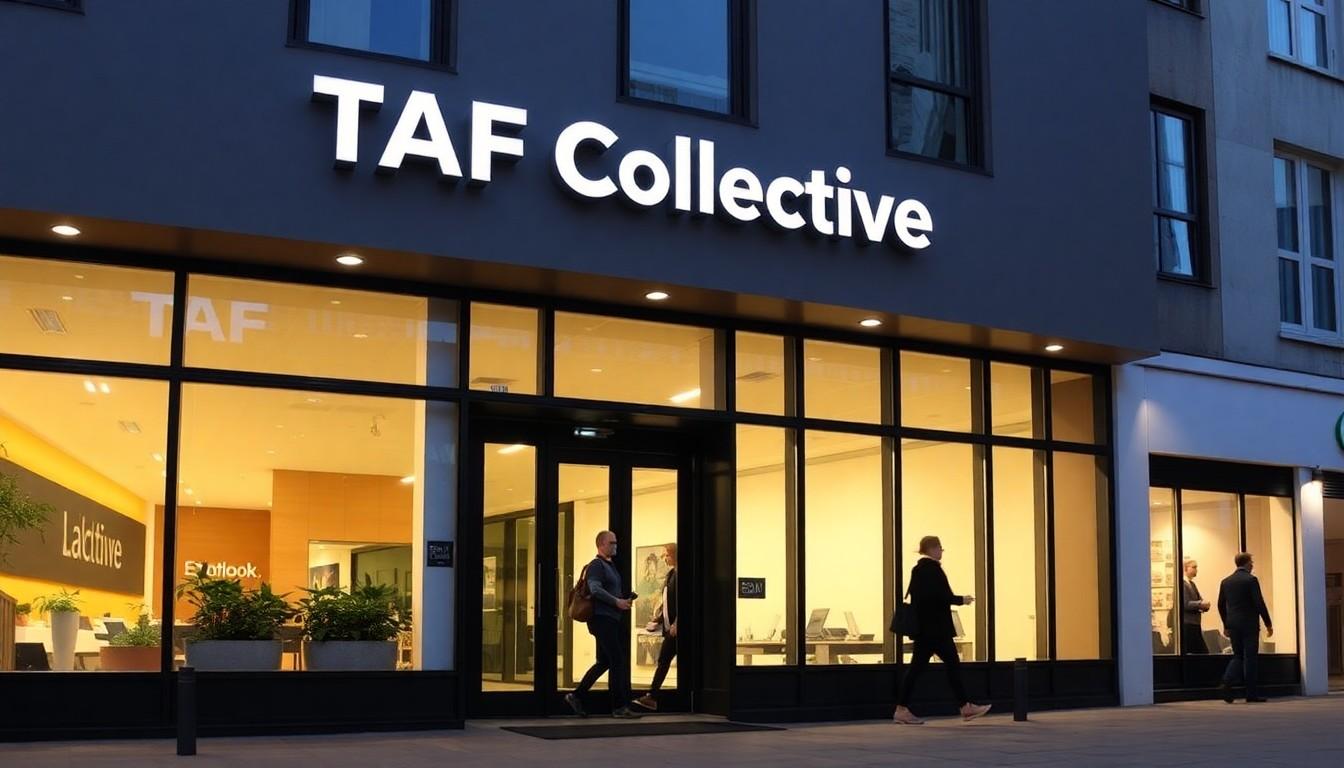
Spotlight on community action: activists, grassroots groups and grassroots-led services are stepping in where formal systems fall short, helping people access testing, treatment and culturally competent care across the UK , and that matters for prevention and dignity.
Essential Takeaways
- Scale: Around 113,500 people are living with HIV in the UK, with an estimated 5,000 undiagnosed, so testing and outreach remain vital.
- Inequality: New diagnoses are disproportionately among Black people and ethnic-minority gay and bisexual men, highlighting access gaps for prevention like PrEP.
- Community role: Groups such as London’s TAF Collective CIC create culturally competent, safe spaces that official services sometimes miss.
- Practical impact: Community-led testing, peer support and tailored messaging improve uptake and help link people to free treatment.
- Outlook: Official data show progress in some areas, but grassroots efforts are essential to reach the people still left behind.
Why community action still matters , and feels urgent
Although testing and HIV treatment are free in the UK, pockets of exclusion persist, and they’re not just bureaucratic , they feel personal and isolating. According to community leaders, that lack of culturally competent care can stop people getting tested or staying on treatment, and that gap translates into both human cost and public-health consequences. Governments publish regular data showing falls in diagnoses in some places, but community groups say progress is uneven , and that’s where grassroots work plugs the holes.
Who’s most affected , and why services don’t always fit
Public data and community testimony point to clear patterns: new diagnoses remain concentrated among Black communities and ethnic-minority gay and bisexual men. Structural barriers , from mistrust of services to language, stigma and simple invisibility in mainstream messaging , make PrEP and testing harder to access for some groups. That means services designed without cultural insight often miss the people who need them most, so tailored outreach and peer-led projects aren’t a nice extra, they’re essential.
What groups like TAF Collective CIC actually do
Organisations rooted in the communities they serve tend to offer straightforward, practical things: pop-up testing, peer counselling, drop-in hubs and advocacy to make clinics more inclusive. TAF Collective CIC, for instance, provides space for people to gather and shape responses themselves , not to be lectured at. That model builds trust, and trust makes people more likely to test, start antiretroviral treatment and use prevention tools like PrEP when appropriate.
Practical tips for community groups and individuals
If you’re organising locally, start small: partner with local sexual-health clinics, arrange culturally relevant outreach, and recruit peer ambassadors who reflect the community you want to reach. For individuals, the basics still matter , get tested regularly if you’re at risk, ask about PrEP and if you live with HIV, stay on treatment and use clinic support. Simple adjustments , opening hours that suit shift workers, leaflets in relevant languages, or outreach at community events , can make a big difference.
Where the data and policy meet reality
Government reports show encouraging trends in some regions, but they also underline the unfinished work. Public health surveillance and official campaigns are necessary, yet often slow to adapt to local nuances. That’s why many advocates argue for sustained funding for community-led services alongside mainstream provision: it’s the combination that reaches people who otherwise remain hidden from care. Looking ahead, embedding cultural competence into mainstream services would reduce the need for parallel provision , but until then, collectives remain vital.
It's a small change in approach that can make every test, every conversation and every clinic visit feel safer and more useful.
Source Reference Map
Story idea inspired by: [1]
Sources by paragraph: