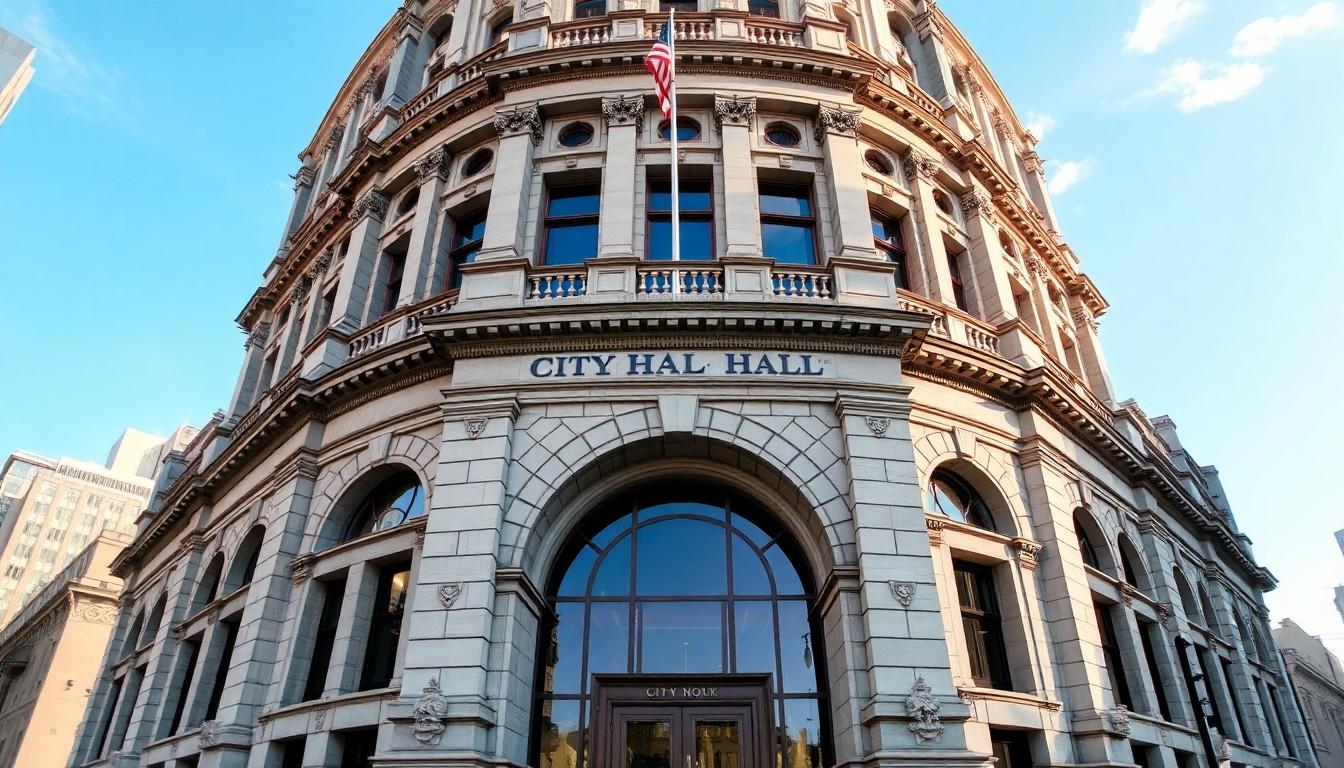
Shout it out: as America 250 events sweep the country this July, communicators are being urged to make Pride visible, honest and continuous , not token. This matters for PR pros, brands and communities wanting to tell the full American story and include LGBTQ people in celebrations, historical narratives and future planning.
Essential Takeaways
- Full inclusion matters: LGBTQ people have shaped US history from early days through today and deserve recognition in America 250 events.
- Avoid tokenism: Simple logo changes or one-off posts feel shallow; authentic support is continuous and backed by action.
- Communications tip: Align Pride activity with organisational values, policies and year-round programming for credibility.
- Practical wins: Sponsorships, archival storytelling and civic partnerships create deeper visibility and trust.
- Public sentiment: Support for LGBTQ rights is shifting; communicators should be prepared with clear, values-led messaging.
Why Pride and America 250 belong together
Anyone paying attention knows history is messy and colourful, not neat and monochrome , and that’s precisely why Pride should be part of America 250. According to historians, LGBTQ people have long been present in the nation’s story, even when official narratives left them out, and that absence skews what we celebrate. For communicators, acknowledging that contribution isn’t political theatre, it’s historical honesty; it gives events ballast and emotional resonance. Simple practical step: commission or elevate LGBTQ voices in event programming so audiences see themselves reflected.
What token gestures look like , and why they fail
A rainbow logo on a homepage or a single Pride Month post might feel festive, but Axios reporting and cultural commentators warn this kind of surface-level support often comes without policy or follow-through. Audiences are savvier than brands assume; pinkhushing , the idea of staying quietly supportive to avoid backlash , can read as cowardice. Communications leaders should advise clients to pair visible gestures with measurable actions, like public statements tied to inclusive benefits or sponsorship of local LGBTQ history projects.
How to build authentic, year-round engagement
Authenticity is a marathon, not a sprint. Firms and organisations can make Pride meaningful by embedding inclusion into everyday operations: update nondiscrimination policies, fund employee resource groups, support local LGBTQ nonprofits and include queer histories in programming beyond June. Research shows the LGBTQ adult population is growing and more politically visible, which means long-term engagement has both social and reputational payoff. Practical move: create a 12-month content calendar that ties Pride narratives into heritage, civic and community milestones.
Storytelling that honours history and complexity
History.com and other archives show LGBTQ contributions span wars, industry and culture, yet public storytelling often erases that complexity. Communicators can work with historians, local archives and LGBTQ organisations to surface overlooked stories , from soldiers and activists to businesspeople and artists , and present them with nuance. That kind of storytelling deepens audience trust and makes nationwide America 250 celebrations richer; it also opens doors to partnerships with museums, local libraries and community centres.
When the public mood shifts, confidence wins
Polling and news coverage suggest attitudes toward LGBTQ rights are evolving and can be uneven, so communicators need to craft messages that are clear, values-driven and unafraid to lead. Whether advising a corporation or a civic festival, be prepared to explain why support for equality is consistent with American ideals of liberty and justice. Tactical advice: prepare Q&As, share employee stories, and highlight concrete commitments so audiences see this as principled, not performative.
It's a small change that can make every celebration feel more honest and inclusive.
Source Reference Map
Story idea inspired by: [1]
Sources by paragraph: