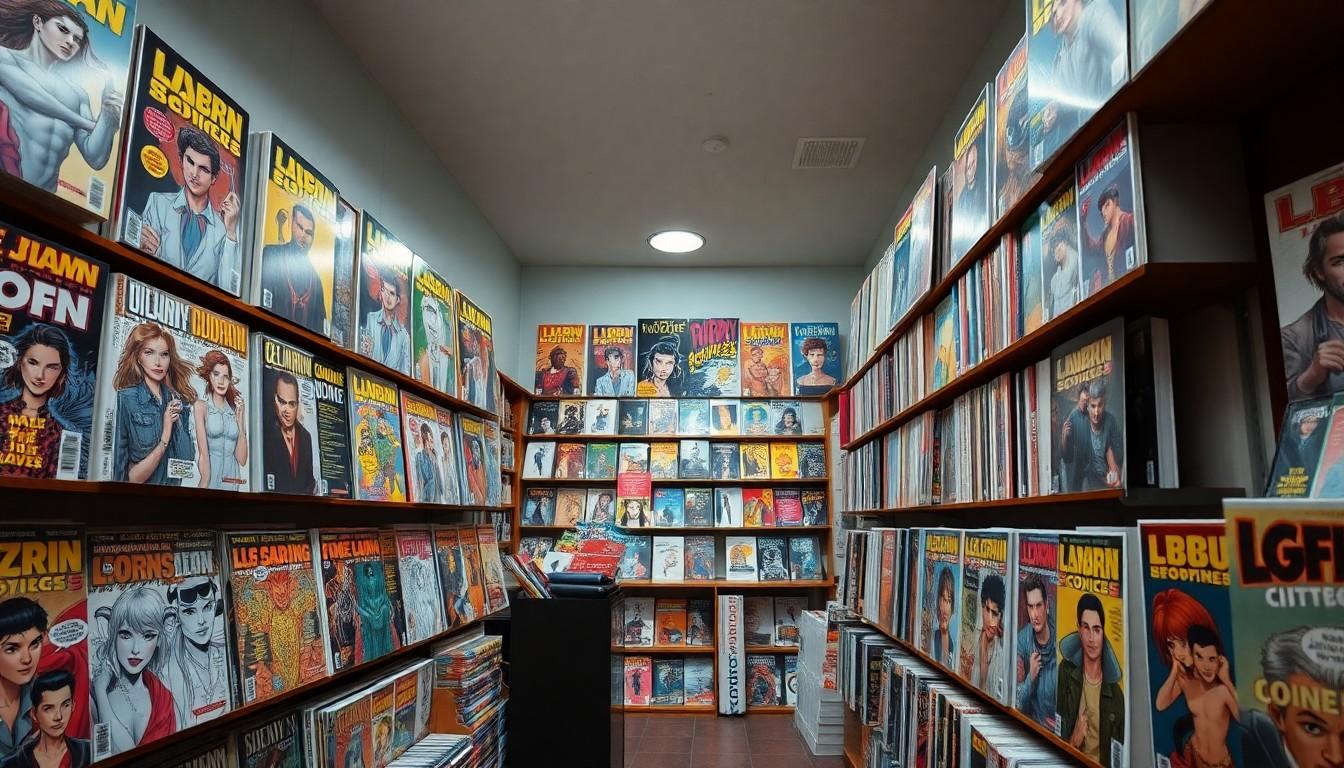
Shoppers and fans are turning to comics and online communities to keep Pride visible year‑round; comics sites, creators and readers in the US and UK matter because representation, rights and memory are still under threat. This piece looks at why sustaining Pride beyond June matters, how comics are responding, and simple ways to support LGBTQIA+ creators and trans communities every month.
Essential Takeaways
- Pride is ongoing: Pride began as protest and remembrance, and its history still matters to keep rights from slipping away.
- Trans rights are under pressure: Legislative and cultural attacks in the US and UK are erasing access and visibility for trans people.
- Comics are showing up: Major publishers and indie creators are foregrounding trans and non‑binary characters and hiring LGBTQIA+ writers and artists.
- Support matters: Buying work by queer creators, amplifying trans voices and backing inclusive storylines are practical, tangible actions.
- Small gestures add up: Displaying Pride, sharing resources, and keeping conversations alive help sustain community beyond a single month.
Why Pride in comics should be more than a June marketing push
Comics, by their nature, are both mirror and megaphone , they show us who we are and shout about who we could be. That’s why a Pride splash page in June is welcome, but not enough; readers notice when support is tokenised, and when characters disappear the moment the calendar flips. According to mainstream histories of Pride, the month grew from protest and remembrance, so keeping the spirit alive year‑round preserves that political edge. For fans, the emotional cue is simple: a character who feels alive in January feels real in July.
If you care about representation, prioritise creators and storylines rather than seasonal tie‑ins. Publishers who hire and platform trans writers and artists, and keep those characters central to ongoing plots, do more than sell variant covers , they help normalise visibility and protect cultural memory.
The current climate for trans rights in the US and UK , why continuity matters
It isn’t an overstatement to say trans people face rising legal and cultural attacks on both sides of the Atlantic. Policy shifts and public debates are narrowing access to healthcare, excluding trans histories from curricula, and tightening rules used to control who can exist in public life. Government websites and civil‑rights reports track those trends and show why representation and advocacy matter beyond symbolic gestures.
For comic fans, that means stories and creators aren’t just entertainment; they’re political lifelines. When a trans character is central and complex, they push back against erasure. And when publishers support trans creators, they send an industry signal that can ripple into public conversations.
Real examples: publishers and creators who are doing it right
You don’t have to look far to find comics putting trans voices centre stage. Recent initiatives have highlighted trans creators and trans protagonists , from classic trailblazers revived to brand‑new heroes created by trans writers. Big publishers have run Pride features that focus on trans characters and hired trans creators behind the scenes. That matters: creators who tell their own stories bring texture and authority that no token cameo can match.
If you want a practical way to reward that effort, buy or stream the work, follow creators on social platforms, and recommend titles to friends. Small sales and steady social engagement are what keep diverse teams employed and stories in print.
How readers and small sites can make July a launchpad for year‑round LGBTQIA+ attention
If you run a fan site, blog, shop, or podcast, think of July as the soft launch rather than the finale. Rotate themed features across months: deep‑dives into trans creators in August, queer romance spotlights in September, queering genre in October. That keeps readers engaged and helps educate newcomers without overwhelming staff or volunteers.
A few practical tips: curate resources about local trans support services, list independently produced queer titles, and invite trans creators to guest‑edit or contribute. Even modest acts , adding pronouns to bios, linking to charity pages, or flagging trigger‑safe content , build a safer, more welcoming space.
What individual fans can do right now , simple, meaningful actions
You don’t need to run a zine to make an impact. Buy a book by a queer creator instead of a variant cover. Share an essay or interview written by a trans artist. Volunteer a morning to help a local community group, or donate a few pounds to a legal defence fund if you can. Speak up when fandom spaces slip into exclusionary language; it’s often the quieter, everyday policing that pushes people out.
And remember: some people celebrate Pride publicly, others privately. Respecting that difference is part of steady allyship. Your quiet, consistent support will mean more to creators and readers who need ongoing solidarity.
It's a small change that can make every panel and every pitch feel safer and more lasting.
Source Reference Map
Story idea inspired by: [1]
Sources by paragraph: