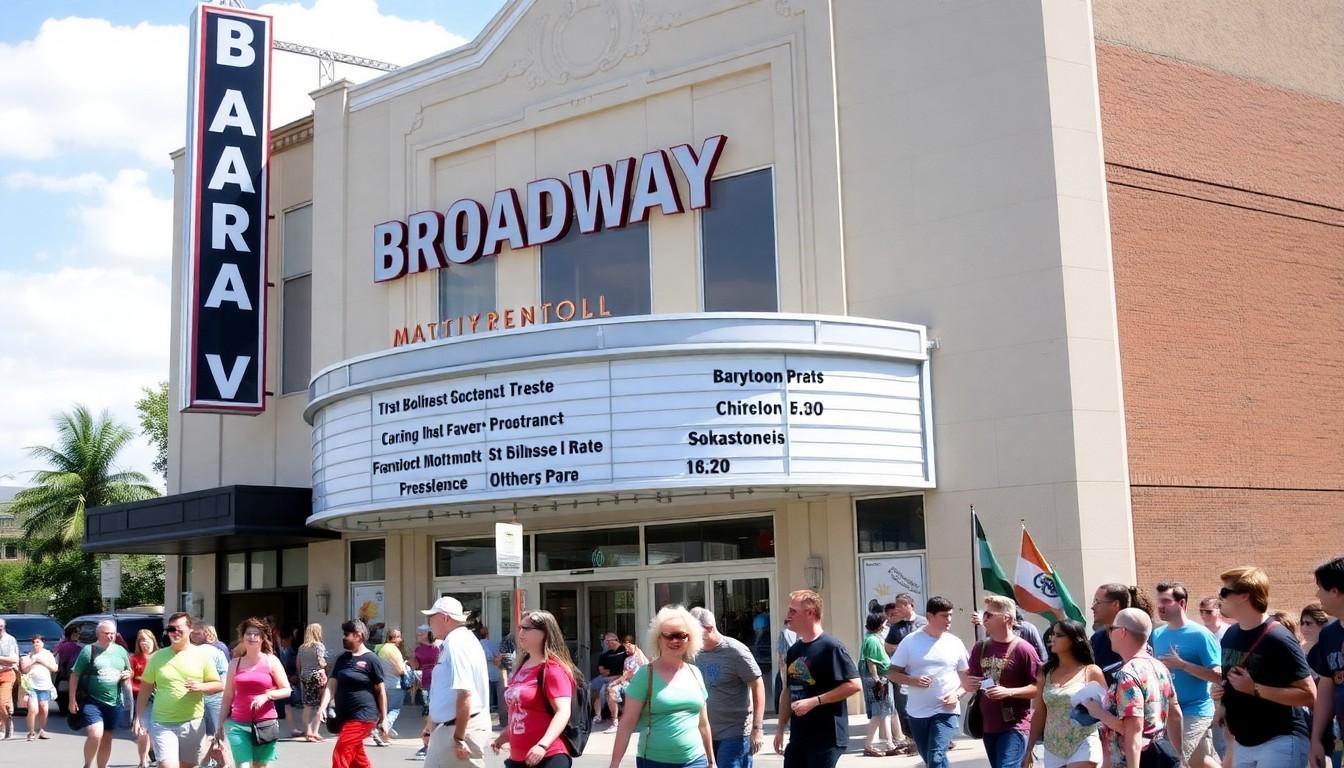
Celebrate the colours: Saskatoon’s 20th Pride Parade drew roughly 10,000 people, showing a bigger, louder public embrace of queer and trans community life in a province where rights and safety remain hotly contested. Here's what stood out, why it matters, and what people say should change next.
Essential Takeaways
- Crowd size: About 10,000 people attended Saskatoon’s 20th Pride Parade, signalling growing local support and visibility.
- Community concern: Organisers say Pride is vital now because of Bill 137’s ongoing impact on queer and trans youth.
- Visible solidarity: The parade felt warm and inclusive, with families, allies and advocacy groups marching together.
- Calls for action: Participants want clearer protections, better school supports and safer spaces for youth.
- Local momentum: Saskatoon Pride’s calendar includes year-round events, keeping the conversation and support alive beyond one weekend.
A big turnout with a warm, buzzing atmosphere
The parade felt celebratory and human, kids waving, rainbow flags snapping, a steady hum of encouragement. Organisers estimated roughly 10,000 people showed up, which underlines how Pride has become a major public moment in Saskatoon. According to Saskatoon Pride, that turnout marks both joy and defiance, especially with anxiety about local laws affecting trans and queer youth. For anyone who’s never been, imagine a colourful street fair with a purpose: community visibility and reassurance.
Why Pride matters this year: Bill 137 and the stakes for youth
Saskatoon Pride’s co-chair said Pride is more important than ever because Bill 137 continues to shape young people’s lives. That law has been criticised for limiting supports and contributing to fear among trans and queer youth, and those concerns were a recurring theme at the parade. Various advocacy groups and local politicians who marched made it clear they see Pride as both celebration and advocacy. If you’re choosing how to show support, attending public events and backing campaigns for policy change are practical first steps.
Inclusivity is improving, but gaps remain
Marchers and onlookers described a parade that felt noticeably more inclusive, with coalition groups, families and faith organisations taking part. Still, conversations on the route made it obvious there’s unfinished business: improved access to gender-affirming care, stronger school protections, and concrete anti-discrimination measures. Community leaders suggested simple wins, like clearer guidance in schools and more visible youth-focused supports, would make a real difference for families watching from the pavement.
From marching to policy: what organisers and allies are pushing for
People at the parade weren’t just waving flags; they were sharing demands. Organisers and supporters called for legal protections and policy fixes that would reduce the harm critics say comes from Bill 137. The Saskatchewan Teachers’ Federation and other institutions have weighed in on court rulings and appeals, signalling that allies in education and civil society are trying to hold space for students. If you want to translate parade energy into change, writing to local representatives and supporting legal challenges are ways to help.
Keep supporting Pride year-round
Saskatoon Pride runs events across the year, not just the parade, which helps sustain support and resources for queer and trans people through quieter months. That calendar of community-building activities lets newcomers connect, offers safe spaces for youth, and keeps political pressure alive. For neighbours wondering how to help, volunteering, donating to local groups, and showing up at school board meetings are all concrete actions that extend the parade’s impact.
It's a small change that can make every day feel safer for someone who needs it.
Source Reference Map
Story idea inspired by: [1]
Sources by paragraph: