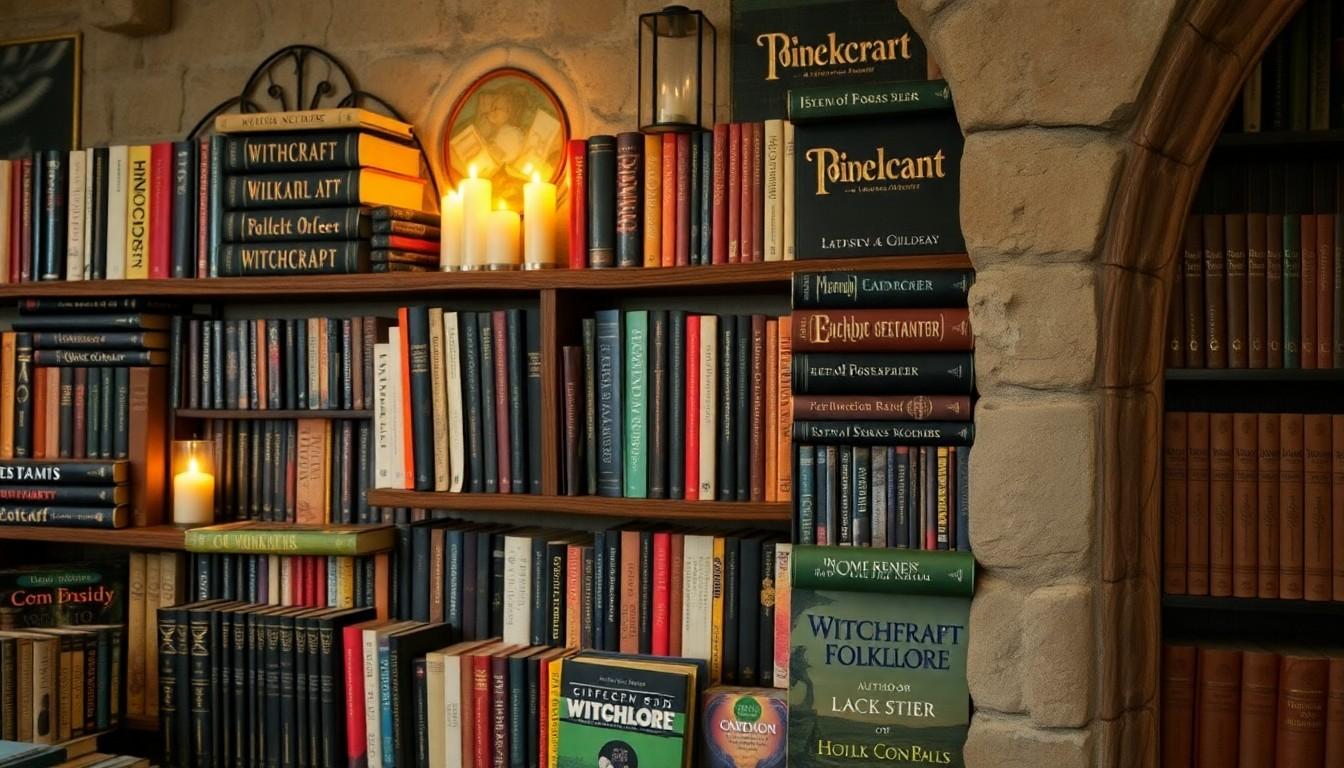
Discover fresh queer-friendly witchcraft reads that blend memoir, folklore and practical ritual; perfect if you’re curious about modern pagan practice, want to celebrate queer milestones, or simply enjoy a sparkling, DIY approach to magic. These titles are accessible, thoughtful and made for queer readers.
Essential Takeaways
- Inclusive reads: This selection highlights witchcraft books that centre queer and trans experiences, not just aesthetics.
- Mix of formats: Expect memoir, anthology, folklore and a practical grimoire for rituals and life events.
- Accessible practice: Several titles favour DIY initiation and everyday magic rather than dogma-heavy systems.
- Sensory notes: Pages feel intimate, personal essays, playful mythography and clearly written rituals.
- Where to look: Most titles are stocked by major retailers and independent occult bookshops, handy if you prefer browsing in person.
Why queer witchcraft books are resonating now
There’s a quietly powerful appeal to witchcraft that’s both practical and emotional, and queer people are finding it especially useful for identity work. According to the piece in DIVA, witchcraft offers room to reject patriarchal religious structures and craft rituals that reflect non-normative lives. That freedom, plus the tactile pleasure of objects and spells, makes these books feel immediate and comforting.
Think of it as a politics-meets-practice moment: queer writers are not only sharing spells, they’re reframing what a spiritual life can look like. If you’ve ever wanted a sacred toolkit that fits your life rather than the other way round, these titles are a fine place to start.
What the anthology brings: voices and textures
Anthologies are brilliant for sampling different styles, and Michelle Tea’s collection does exactly that. It stitches together manifestos, poetry, scripts and essays by people who identify as witches, many of them queer. The patchwork approach means you can dip in for a short poem or sink into a longer piece, so it’s great for restless readers and those who like a variety of approaches to craft.
If you’re someone who likes a range of voices in one volume, an anthology saves you time and gives a sense of the wider queer witch community. Pop it in your bag for the bus, or leave it by the kettle for a slow, late-night read.
Memoir and DIY initiation: personal stories that teach
Books like Bargain Witch by Brooke Palmieri lean into memoir and self-initiation. These are not dry instruction manuals; they’re confessional, practical and often funny, mapping how a single queer life encountered and made use of magic. Brooke’s background working in an occult bookshop also gives the book a lovely, shop-floor authenticity.
If you want to learn by example, a memoir-style guide teaches through lived experience. Look for practical takeaways, how to build a simple ritual, where to begin with altar pieces, and how to adapt traditions to suit your needs.
Folklore that feels like queer history: mythology modernised
Sacha Coward’s approach to queer folklore brings together ancient stories and modern pop culture in a way that’s both playful and illuminating. By pairing mythic figures with contemporary queer icons, the book helps you find deities and spirits you might actually want to work with. It’s great if you like mythic resonance without academic heaviness.
Folklore books can double as inspiration: read them to learn stories, then adapt imagery and symbols into your own practice. Expect surprising links and an accessible voice that makes old tales feel new.
Practical magic for queer milestones: rituals that recognise real life
Queer Rites by Enfys J. Book is a practical grimoire aimed at rites that matter to queer lives, coming out, name changes, chosen-family ceremonies and grieving a deadname. It’s written to be reachable, with rituals that don’t require a coven or a big budget.
This is the kind of book you turn to when you want a structure: a script you can use or adapt. If you’re planning a ritual for a transition, celebration or remembrance, a grimoire like this gives you language and steps, and the permission to make them yours.
How to pick the right queer witchcraft book for you
Start by asking what you want: storytelling, folklore, practical steps, or a mix. If you like breadth, choose an anthology; if you want hands-on rituals, pick a grimoire; if you prefer learning through lived experience, lean into memoir. Also consider format, paperback if you’ll mark pages, ebook if you prefer searchable text.
And don’t forget bookshops like Treadwell’s if you’re in London; browsing shelves and smelling the paper is half the fun. Community matters here too, look for author podcasts, local circle listings, or online groups to extend what you read into practice.
It’s a small change that can make your spiritual life feel more honest and joyful.
Source Reference Map
Story idea inspired by: [1]
Sources by paragraph: