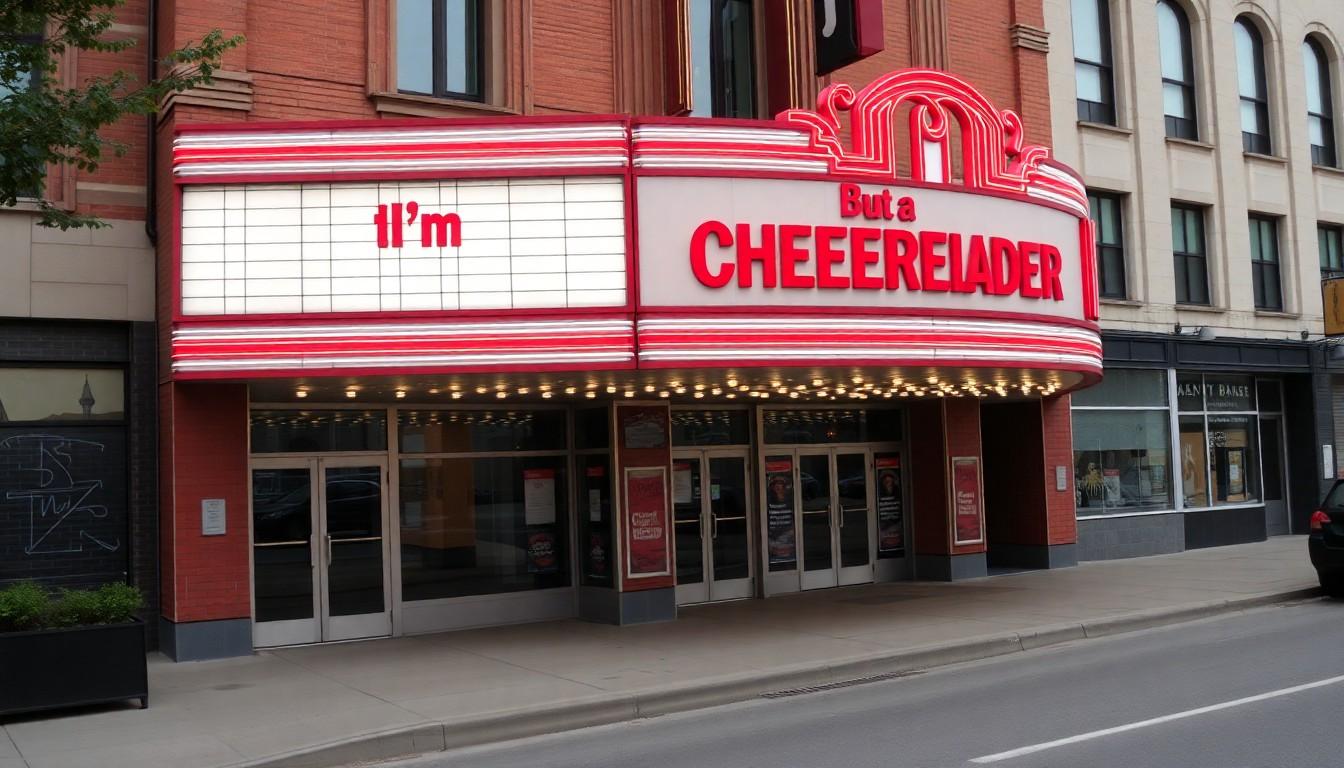
Shoppers and cinephiles are turning back to cult queer comedies, and Jamie Babbit’s But I’m a Cheerleader is enjoying a fresh look; the 1999 satire still matters because it made femme desire visible, satirised conversion therapy and kept laughter at the centre of protest, all while pushing against censorious ratings boards.
Essential Takeaways
- Bold premise: But I’m a Cheerleader uses bright, candy-coloured visuals to skew the horror of conversion therapy into satirical comedy, making tough subject matter more accessible.
- Cultural moment: The film was made amid AIDS-era activism and rising queer visibility, so it landed as both entertainment and social commentary.
- Controversial reception: Some older queer viewers criticised its comedic tone, while censors initially slapped it with an NC-17 rating over implied sexual content.
- Lasting influence: The movie helped normalise femme-lesbian representation onscreen and remains referenced in queer film discussions and academic programmes.
- Practical viewing tip: Expect stylised production design, a sharp script, and performances that reward repeat watches, best enjoyed with friends who appreciate satire and queer history.
Why a bright comedy about a dark topic still lands
But I’m a Cheerleader opens like a confection, saturated pastels, peppy music, a cheerleader uniform that’s far too pink to be ordinary, yet it’s aiming at something much darker. That contrast is the film’s sharpest weapon: humour softens the blow, then forces you to notice what’s been hidden. Audiences remember the film for its visual humour and oddball tone as much as its message, because that’s how it first made queer female desire visible in a mainstream-adjacent way.
Jamie Babbit has said she made the film to speak to her younger self, someone who grew up without femme lesbians on TV. That personal drive helped the film feel authentic rather than performative. It also placed the movie in the longer arc of queer cinema, where visibility often arrives through films that both entertain and provoke.
Made during a fraught political moment
The late 1990s weren’t free of crisis: the AIDS epidemic and the political stagnation around funding and treatment were still recent wounds. Activist energy, think ACT UP’s “Silence = Death”, shaped the cultural terrain. Filmmakers were responding, using satire and melodrama to call attention to institutional failures. In that sense, But I’m a Cheerleader sits alongside other queer works of the era that used unexpected forms to demand notice and compassion.
The film’s satirical shape also opened it to debate. Some viewers felt it tilted too far from solemnity; others celebrated its refusal to let trauma be the only register for queer lives. Both reactions reveal how hungry people were for new, varied representations.
Censorship, ratings and a fight over onscreen desire
Even as it found an audience, the movie ran into gatekeepers. The ratings board objected to scenes it considered explicit, asking for cuts and initially assigning an NC-17 label. Babbit recalls being told to “lighten” certain scenes so the board could inspect frame by frame, a reminder that sexual expression, especially queer expression, has long been policed differently.
That struggle is part of the film’s legacy: it’s a marker of how queer sex and even affectionate intimacy have been scrutinised in ways straight narratives often aren’t. Fast-forward to today and filmmakers like Babbit report more freedom, she’s been praised for sex scenes in mainstream streaming projects that might once have been censored.
Why femme representation still feels rare, and why this film helped
One of the film’s quieter triumphs is its focus on femme lesbians. For many viewers raised in conservative suburbs or small towns, seeing femme-coded queerness on screen felt revolutionary. The characters aren’t reduced to suffering; they’re vivid, funny and desirable in ways that complicate stereotypes.
If you’re choosing a film to introduce someone to queer cinema, this is a strategic pick: it’s approachable, visually memorable, and it opens conversations about identity, coercion and community without becoming a lecture. Pick the correct size of audience, friends who’ll appreciate satire, and you’ll get laughs and resonance.
How to watch it now, and what to look for
Treat the film as both a cultural artefact and a living piece of cinema. Look at the production design, the saturations and costumes are doing narrative work. Listen for the moments where humour becomes resistance, and notice how the chemistry between the leads makes the love story sincere beneath the satire.
If you want a modern comparison, watch it alongside recent queer romcoms on streaming platforms to see how representation has changed: sex scenes are filmed differently, and storytellers are asking different questions. Watching both eras back-to-back is a good way to appreciate progress and the work still to be done.
It's a small change that can make every rewatch feel both nostalgic and instructive.
Source Reference Map
Story idea inspired by: [1]
Sources by paragraph: