Shoppers and citizens turned out in colour as parents, young people and activists led Chennai’s 18th Self-Respect Pride March to protest the Transgender Persons (Protection of Rights) Amendment Act 2026 , a rally that matters because it reframes family support as activism and highlights legal changes that many in the community find erasing.
Essential Takeaways
- Strong parental presence: Families who support LGBTQIA+ children helped open the march, signalling acceptance can be public and proud, not private or hidden.
- Widespread concern about the 2026 Amendment: Many marchers, especially trans people, say the law’s changes limit recognition and rights and have caused distress.
- Local demands remain unmet: Activists pressed for horizontal reservations, jobs, gender-neutral washrooms and school sensitisation in Tamil Nadu.
- Vibrant, intergenerational turnout: Young first-time marchers mixed with seasoned activists, creating a lively, hopeful atmosphere.
- Cultural close: The event finished with performances and poetry, blending protest with celebration and community care.
Parents leading the charge , why family visibility matters
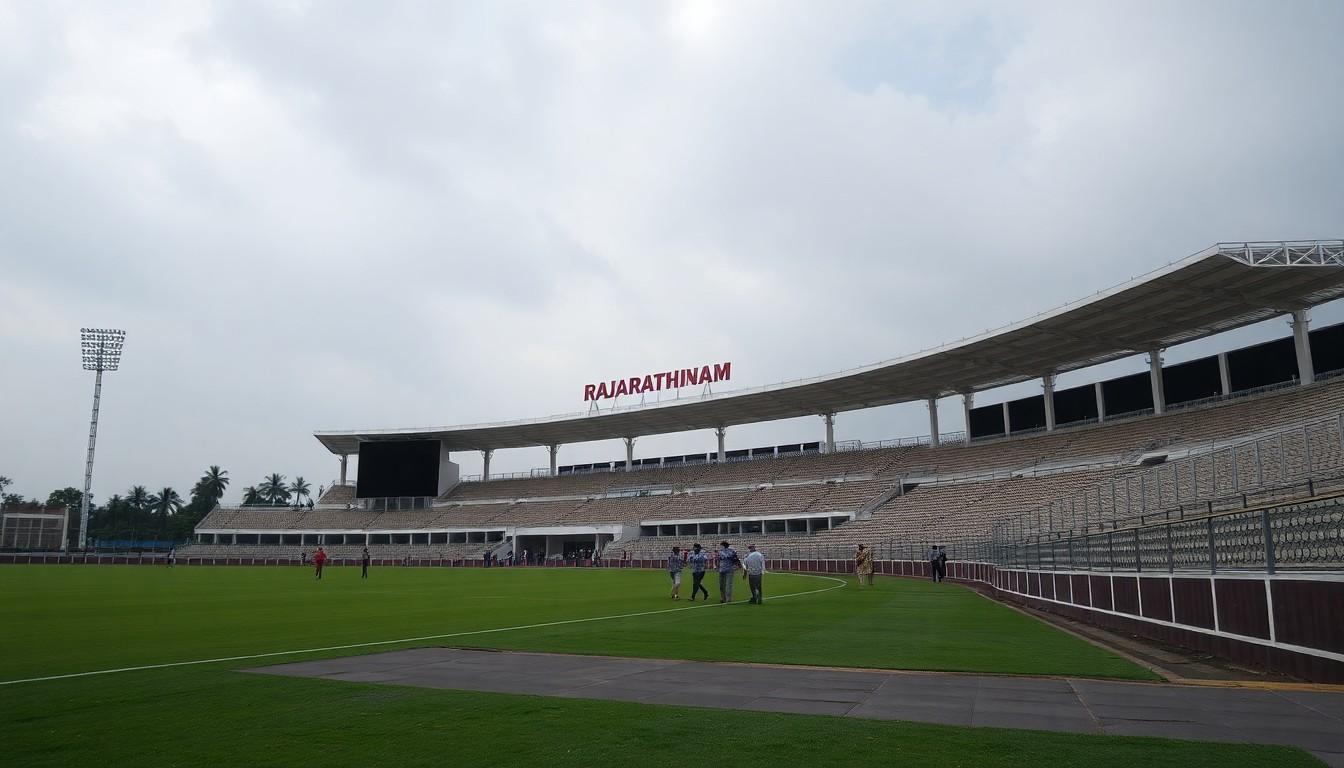
Parents kicked off the march at Rajarathinam Stadium, and that small ritual carried a weighty message , acceptance isn’t just private, it’s civic. Seeing mothers and fathers carry “Proud Parent Ally” placards gives other families a model to follow, and helps shift the mood from shame to support. Organisers told reporters they invited accepting parents deliberately, to normalise family solidarity and encourage other parents to step forward. For many in Chennai, that public nod from kin is as crucial as any legal safeguard. If you’re a parent wondering how to help, start simple: listen, use preferred names and push for inclusive policies at your child’s school. Public support like this also builds momentum for policy change.
Why the 2026 Amendment became the march’s focal point
A lot of the signs and customised clothing at the march referenced the Transgender Persons (Protection of Rights) Amendment Act 2026, reflecting deep frustration. According to explainers, the amendment alters key protections and procedures established earlier, and critics argue some changes roll back recognition for certain identities. Participants described the law as erasing some trans experiences, and that distress came through at the event in both voices and placards. When legal reforms feel like setbacks, public protest becomes a tool to contest and clarify the real-world impact. For anyone following policy debates, it’s useful to read both the Bill texts and civil-society analyses to understand exactly which rights and procedures have shifted.
Local demands beyond the law , jobs, reservations and dignity
Beyond the amendment, community leaders used the march to press the Tamil Nadu government on long-standing local concerns: horizontal reservation, employment opportunities, renaming the transgender welfare board to Thirunar Nala Variyam, surrogacy rights and gender-neutral restrooms. These are practical asks that affect daily life , from access to work to safety in public toilets , and activists say they’re as urgent as national legal battles. Sensitisation in schools was another repeated call, seen as preventive work that can reduce bullying and exclusion. If you care about translating protest into policy, contact local representatives, support petitions, or join school-sensitisation drives; sustained civic pressure often moves state-level bureaucracy faster than national debates.
The march’s mood: protest braided with celebration
Despite sharp political grievances, the event kept a celebratory pulse , colourful headgear, flags and stalls handing out refreshments made space for joy. Young people like 18-year-olds experiencing Pride for the first time said the turnout of their peers gave them hope. The day ended with Naangal , a programme of songs, dances and spoken-word poetry , underlining that activism and culture feed each other. That mix of stern demand and warm community makes the message harder to ignore. For those nervous about joining Pride, know you’ll find both protest and party; march organisers often provide pick-up props, safe spaces and clear routes for new attendees.
What comes next , advocacy, legal scrutiny and everyday support
Chennai’s Pride underlined a dual strategy: mobilise in public and pursue redress through legal and policy channels. Activists will likely sustain pressure on state and national authorities while building support systems locally. Keep an eye on follow-up petitions, public hearings and state-level measures on reservations and welfare boards; these are where marches translate into changes. Meanwhile, community-level work , counselling, employment drives, and school outreach , keeps lives safer and more dignified every day. It’s a reminder that rights are won in courtrooms, corridors of power and kitchen tables alike.
It's a small, public shift when parents march openly , and it can make every protest point louder.
Source Reference Map
Story idea inspired by: [1]
Sources by paragraph: