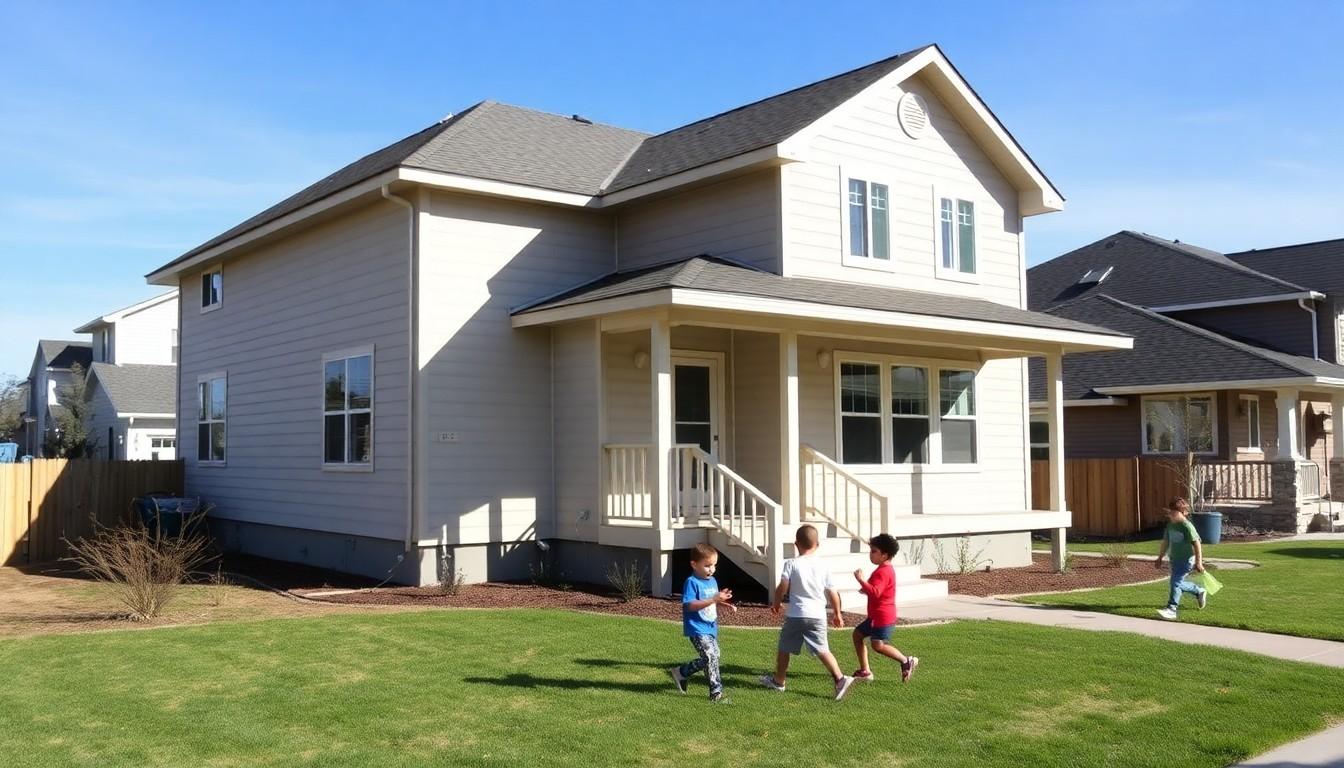
Celebrating hands-on inclusion: volunteers, local leaders and LGBTQ+ groups joined Habitat for Humanity’s Pride Build in Salt Lake City to boost affordable housing, mark the Obergefell anniversary and spotlight how housing work builds community and long-term stability.
- Who showed up: local volunteers, the LOVELOUD Foundation, Utah Pride Center, UAF Legacy Health and Equality Utah pitched in for a week of builds and repairs.
- What it felt like: upbeat, sweaty, purposeful , a sense of connection rather than just hammering nails.
- Concrete impact: six homes built and more than 100 critical repairs completed locally in the past year, plus ongoing volunteer opportunities.
- Practical note: Habitat requires partner families to contribute sweat equity and demonstrates affordability through manageable mortgage plans.
- Easy next step: sign up for group or individual builds via local Habitat volunteer pages; restores and shop donations also help.
Pride Build brought people together, not just tools
The headline moment was a week-long Pride Build in Salt Lake City that mixed celebration with work , a very hands-on way to mark the anniversary of the Obergefell decision. Volunteers reported a lively atmosphere, lots of camaraderie and the odd paint-splattered hug. According to organisers, the goal wasn’t only to finish projects but to create visibility, connection and a stronger neighbourhood fabric.
This build is part of a longer arc for Habitat for Humanity of Greater Salt Lake Area, which sees housing as an engine for stability. Carin Crowe, the affiliate’s CEO, put it plainly: building homes is also building hope. That helps explain why partners like LOVELOUD and Utah Pride Center jumped in , it’s about both shelter and social support.
If you’re wondering how that looks in practice, it’s a combination of new home construction, critical repairs and beautification efforts across Tooele, Salt Lake and Davis counties. The local Habitat office lists volunteer slots for everything from hammering to sorting donations at the ReStore, so there are ways to get involved whether you’re steady with a drill or prefer chatting with neighbours.
Why habitat partnerships matter for cities like South Salt Lake
Local leaders say these projects plug into wider municipal priorities. South Salt Lake’s mayor, Cherie Wood, stressed that housing underpins everything , if families can afford to stay, school programmes and after-school provision like Promise South Salt Lake can be far more effective. Housing isn’t an isolated line item; it’s the base for education, health and civic life.
The city has adopted practical levers too: acquiring homes that need repair, teaming with Habitat to renovate them, and using deed restrictions to keep properties affordable long-term. That approach keeps housing stock available for local families rather than letting prices flip homes into speculative assets.
For volunteers and donors, the takeaway is simple: your time or a donation at a ReStore can have ripple effects beyond a fresh coat of paint. It literally helps keep a family rooted in the community.
LOVELOUD and visibility: why Pride Build matters beyond timber
LOVELOUD’s involvement gave Pride Build an extra layer , this was as much about showing up with LGBTQ+ youth and families as it was about building walls. Tyler Glenn of Neon Trees, who co-founded LOVELOUD, framed the partnership as an opportunity to amplify Habitat’s work and to foster encounters where people can see one another’s humanity.
Events like this turn abstract commitments to inclusion into tangible acts: neighbours meeting while tiling bathrooms, volunteers sharing lunch breaks and conversations that dissolve assumptions. For queer young people, seeing organisations invest in neighbourhoods signals belonging in a way posters and statements alone can’t.
If you represent an organisation, this model is worth copying: partner with housing groups to show solidarity while doing work that endures.
How Habitat’s model supports long-term wealth and stability
Habitat’s programme is structured so future homeowners qualify on need, can afford an income-based mortgage and contribute sweat equity. It’s not charity in the one-off sense , it’s intended to be a path to generational stability. Crowe points out that owning a home can change educational and financial outcomes for a family’s children.
That structure also invites volunteers to invest emotionally and practically: you’re not just finishing a room, you’re helping a neighbour move toward security. For prospective volunteers, Habitat Salt Lake and national pages list group and individual build opportunities, plus shifts at ReStore shops if you prefer retail and donation-sorting shifts.
If you’re deciding where to give your time, think about the skills you have and the commitment you can make: some builds ask for recurring crews; others need weekend helpers. Either way, the work is tangible and usually very satisfying.
Want to join in? Practical tips for first-time volunteers
Start with the local volunteer page to see current needs and age requirements. Wear sturdy shoes, bring a water bottle and expect to get dirty , it’s part of the charm. If you want to work with a group, book a slot early; if you prefer one-off days, check ReStore volunteer listings for flexible shifts.
Donations to ReStores keep materials costs down and create revenue for builds, so if you’ve got usable furniture or tools, consider dropping them in. And if you’re a member of a community group, faith organisation or business, suggesting a partnership like LOVELOUD’s is an easy way to amplify impact.
It’s not just carpentry , there are painting, landscaping and hospitality roles that suit different confidence levels.
It's a small change that can make every neighbourhood feel a bit more like home.
Source Reference Map
Story idea inspired by: [1]
Sources by paragraph: