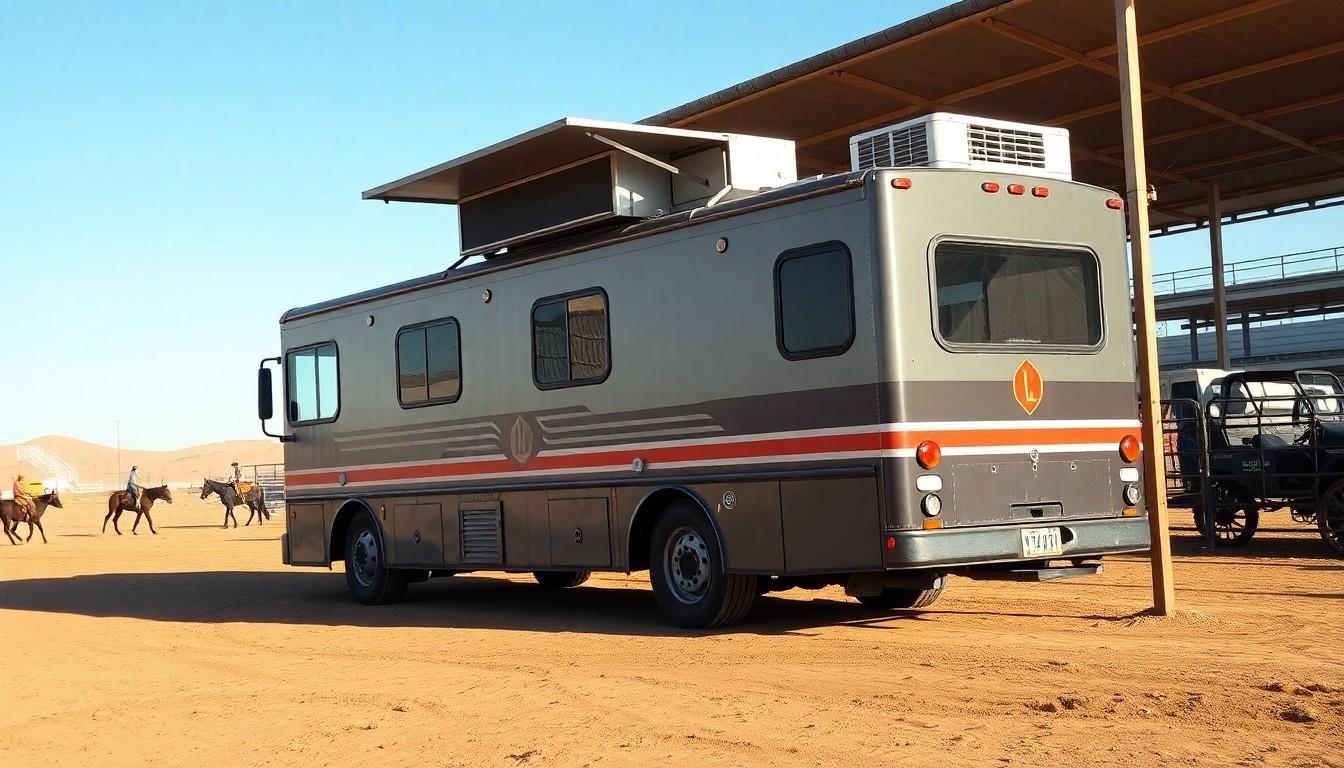
Shoppers and rodeo-goers flocked to a painted bus that doubled as shade, art and a safe space at BigHorn Rodeo, proving pop-up queer activations can blend spectacle with substance. The Cuddle Bus brought swings, rooftop views, AC and community-first vibes to Las Vegas , and it mattered both practically and emotionally.
Essential Takeaways
- Crowd magnet: The Cuddle Bus drew steady groups all weekend for photos, shade and social moments.
- Functional design: Swings, a rooftop deck and working air conditioning offered fun and real relief from desert heat.
- Community hub: The Phoenix used the bus as an inclusion-first outreach tool and marketing base at the rodeo.
- Art and accessibility: The hand-carved “Horse of a Different Color” and onsite booth extended the installation into an artful presence.
- Cultural roots: Inspired by Burning Man and desert gatherings, the project moved queer nightlife into a public, family-friendly setting.
A portable oasis in the desert , and yes, the AC became legendary
Walk up to the bus and you could almost feel the temperature drop; the air conditioning wasn’t just a convenience, it turned into an attraction. According to organisers, heat relief and a shaded hangout were exactly what people needed, so the Cuddle Bus did double duty: playful backdrop and lifesaving shelter. Visitors lingered on swings, climbed the rooftop for views, or simply sat inside to recover from the sun.
The bus’s practical design made sense next to spectacle. The Phoenix’s team even used it as a staging area to keep kit cool while covering the event, which underlined how functional queer activations can support festival operations as well as community needs. That mix of whimsy and utility is part of why people kept returning.
From Burning Man roots to rodeo grounds , an evolution of inclusion
The idea for the Cuddle Bus sprang from desert gathering culture, where art vehicles and communal spaces are part ritual, part refuge. The Phoenix has taken that ethos and repurposed it for a different audience: rodeo-goers and families who might not otherwise encounter an explicitly queer space. It’s a quiet form of outreach , no sermon, just hospitality.
That transition reflects a broader trend: venues and collectives are exporting queer culture beyond nightclub walls into public events. The result feels less like activism with megaphones and more like invitation: come, be comfortable, hang out.
Blurring spectacle and sanctuary , swings, art and a rooftop show
There’s theatre to the installation , swings dangled from the side, a hand-carved “Horse of a Different Color” invited touch and photos, and visitors waved from the rooftop as parades rolled past. Yet the atmosphere never felt performative in a bad way; it was deliberately welcoming. People posed for selfies, danced to country music drifting across the grounds, or found a quiet corner to talk.
Pairing the bus with an art display and a staffed community booth amplified its presence. Art drew attention, people stayed for community, and volunteers used the booth to share information and resources. It’s a tidy model for how pop-ups can combine aesthetics, outreach and grassroots organising.
Why this matters for events and venue strategies
Pulling queer activations into mainstream fixtures like the BigHorn Rodeo does three things at once: it increases visibility, it offers tangible support (shade! water! conversation!), and it normalises inclusion in spaces that mix tradition with new audiences. The Phoenix’s approach shows event teams and venues that inclusive programming isn’t only about statement-making; it’s about creating comfortable, thoughtful moments people remember.
For organisers thinking about something similar, practical tips matter: factor in climate control, kit storage, and accessibility; offer both loud elements (music, visuals) and quiet spots; and make sure staff are briefed to welcome a broad cross-section of attendees.
What to take away , small gestures, big impact
The Cuddle Bus demonstrates how modest, well-designed interventions can shift an event’s tone. A painted vehicle, a few swings, functioning AC and an approachable team turned a corner of the rodeo into a place where strangers became friends. It’s a reminder that inclusion often arrives in the form of hospitality and good design rather than grand pronouncements.
If you’re planning activations, think hospitality first: comfort opens conversation, and conversation builds community.
It's a small change that can make every event feel a bit cooler and kinder.
Source Reference Map
Story idea inspired by: [1]
Sources by paragraph: