Bursting into colour and song, San Francisco’s 56th Pride Parade drew tens of thousands to Market Street this year, mixing jubilant celebration with hard-edged activism as organisers and attendees made clear why the city’s Pride remains one of the country’s most watched and meaningful events.
Essential Takeaways
- Huge turnout: Organisers estimated roughly 56,000 participants, with Market Street awash in rainbow flags and costumes.
- Joy and personal stories: Attendees said Pride felt deeply personal , a space to celebrate identity, visibility and belonging.
- Activism on show: Chants and demonstrations highlighted national debates over LGBTQ+ rights, especially transgender protections.
- High profile voices: Local leaders and national figures appeared, blending celebration with historical perspective and political urgency.
- Logistics mattered: Heavy security and transit planning kept crowds moving and helped the festival carry on safely into Civic Centre Plaza.
Streets packed, colour everywhere: what it felt like on Market Street
The energy was immediate: a warm, buzzing crowd, confetti in the air and a constant wash of colour as floats and marchers rolled by. Reporters and photographers captured scenes that felt both exuberant and intimate, with family groups and friends sharing the route. According to local coverage, thousands lined the sidewalks to cheer and to take part in what has long been a signature San Francisco spectacle. For anyone who loves people-watching, this was Pride at its most theatrical and sincere.
Celebration with a purpose: why this Pride mixed joy and protest
Pride has never been only a parade, and this year was no different. Alongside the music and performance, protesters used the route to call attention to what they see as growing threats to LGBTQ+ rights across the US. Trans advocates in particular were visible, turning celebration into a platform for demands and storytelling. Observers noted the balance , laughter and resistance shared the same space , and many attendees said that’s exactly what Pride should be.
Voices from the crowd and the stage: personal meaning and political perspective
People travelled from neighbouring towns to be there, and many described the event as a rare moment of full acceptance. Local leaders joined the march, and national figures offered historical context about the movement’s long arc. Those appearances helped stitch present concerns to past victories, reminding the crowd that progress has been won through visible solidarity. For visitors and residents alike, the message landed: Pride is both a party and a pledge to keep showing up.
Safety, logistics and the after-party at Civic Centre Plaza
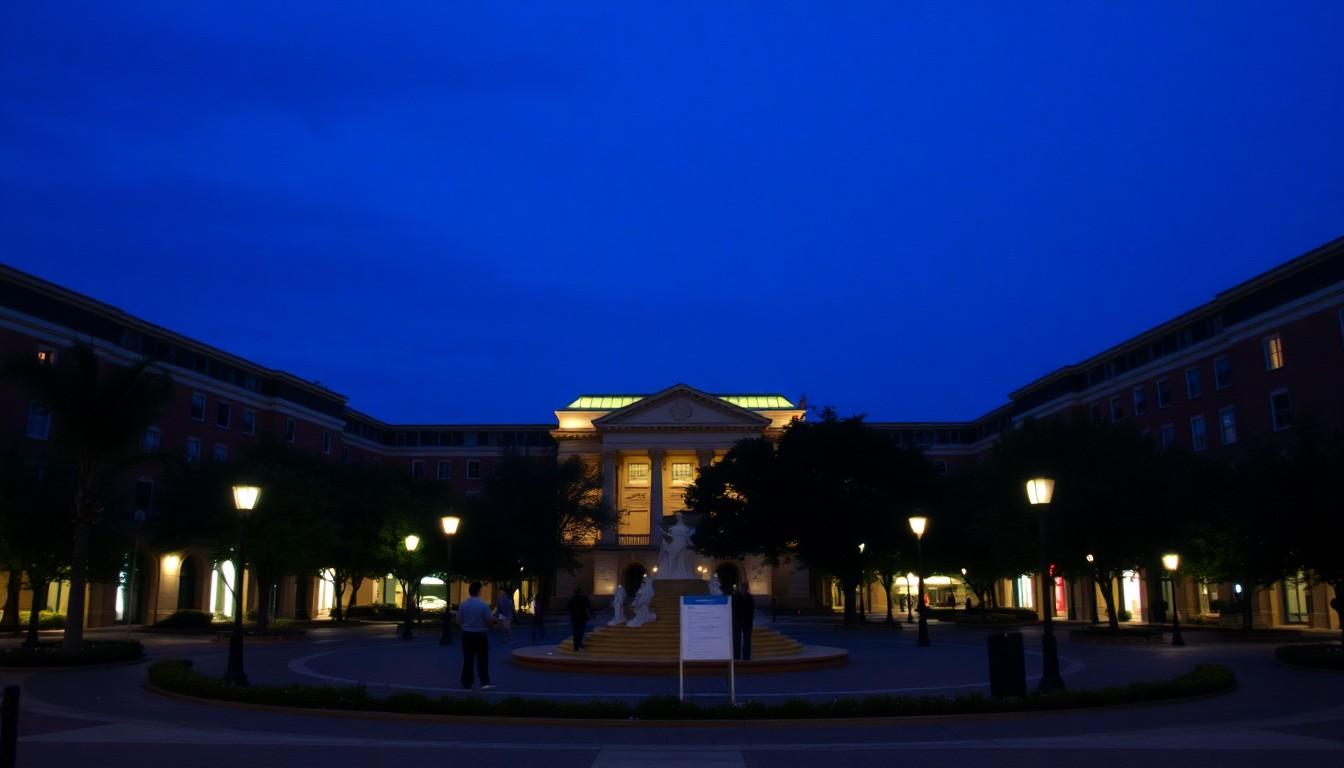
With tens of thousands present, organisers and the city treated safety and transit planning as central to the day. Uniformed officers were a steady presence along the route, and transit updates helped people get in and out without chaos. After the march, Civic Centre Plaza turned into a festival site with performances and community stalls, extending the day into an organised celebration. If you plan to attend next year, check transit advisories early and bring layers , San Francisco evenings can cool fast.
Looking ahead: what this Pride signals for the movement
This edition of Pride underscored an important idea: public celebration remains a powerful form of resistance. When people dance together in the streets, they’re also making visibility a political act. Expect future events to keep blending art, culture and advocacy, and to draw both local passion and national attention. For now, the message was plain and human , communities that sing together are hard to silence.
It's a small change that can make every parade a little louder and every voice a little harder to ignore.
Source Reference Map
Story idea inspired by: [1]
Sources by paragraph: