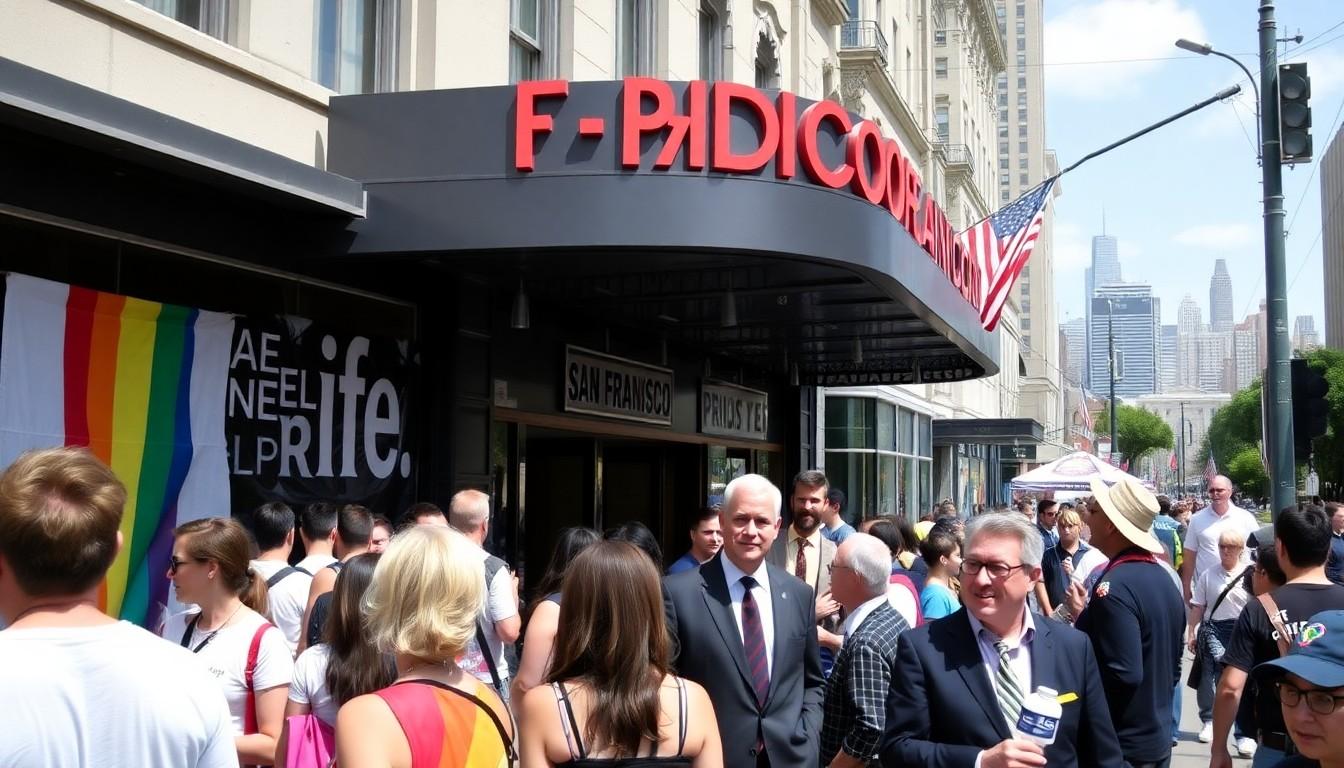
Shoppers are turning up and the city is buzzing: San Francisco’s 56th Pride drew hundreds of thousands to the Embarcadero, with glitter, speeches and political muscle on display , and why this matters as Pride doubles as celebration and protest amid national unrest.
Essential Takeaways
- Mass turnout: Hundreds of thousands watched the 56th annual parade under near-perfect sun, creating a jubilant, packed atmosphere.
- Historic leads: Dykes on Bikes marked their 50th year leading the march, a loud, revving start to the procession.
- Local leaders present: Out supervisors and congressional allies marched, blending celebration with policy-minded visibility.
- Campaign season energy: Multiple local candidates used Pride to connect with voters and underline “Resistance in Action.”
- Community tone: Events mixed joy and agitation , cheering floats alongside calls to protect trans youth and queer rights.
A sunlit comeback: Parade day felt electric
The weekend sunshine made everything brighter, literally , the crowds were dense and the noise level high, from cheers to drumbeats. San Francisco Pride kicked off at 10.30am from Embarcadero and Beale, and the combination of good weather and pent-up enthusiasm turned the route into a parade of colour and relief. Organisers and attendees alike noted the emotional heft: people weren’t just watching a show, they were reclaiming a public moment after a couple of years of fits and starts.
Tradition with a roar: Dykes on Bikes still leading
If you love a bit of ritual, the Dykes on Bikes provided it, celebrating their 50th anniversary of leading the march. Their revving motorcycles have opened the event since the 1970s, and this year that familiar rumble felt like continuity , an audible reminder of how Pride began as bold public visibility. For visitors and veterans alike, that opening segment anchors the parade in history while the rest of the route keeps evolving.
Electeds in the crowd: Pride as politics and performance
Several local officials walked the route, including board President Rafael Mandelman and Supervisor Matt Dorsey, often side-by-side with partners and pets. Their presence underscored how Pride doubles as a political stage; candidates and sitting representatives used the parade to signal solidarity and mobilise supporters. Nancy Pelosi’s final year as San Francisco’s congressmember added another note , for many, seeing long-time allies matters as much as the floats.
Campaigning in sequins: Candidates leaned into Resistance in Action
This year’s theme, “Resistance in Action,” was visible in slogans and speeches, and it shaped how candidates showed up. Endorsements, breakfast appearances and march contingents meant Pride was part celebration and part campaign stop. For voters, it was a chance to see who’s willing to stand in public with the community , and for candidates, a practical reminder that visibility still counts.
Joy and urgency: Why this Pride felt both festive and fraught
There’s a distinct flavour to modern Pride: parties and protests at once. Organisers balanced celebratory programming with rallies for trans rights and community services, reflecting the national context where queer people face fresh political attacks. That mix made the weekend feel crucial , it’s fun, yes, but it’s also a show of strength and a call to keep organising.
It's a small change that can make every parade moment mean more.
Source Reference Map
Story idea inspired by: [1]
Sources by paragraph: