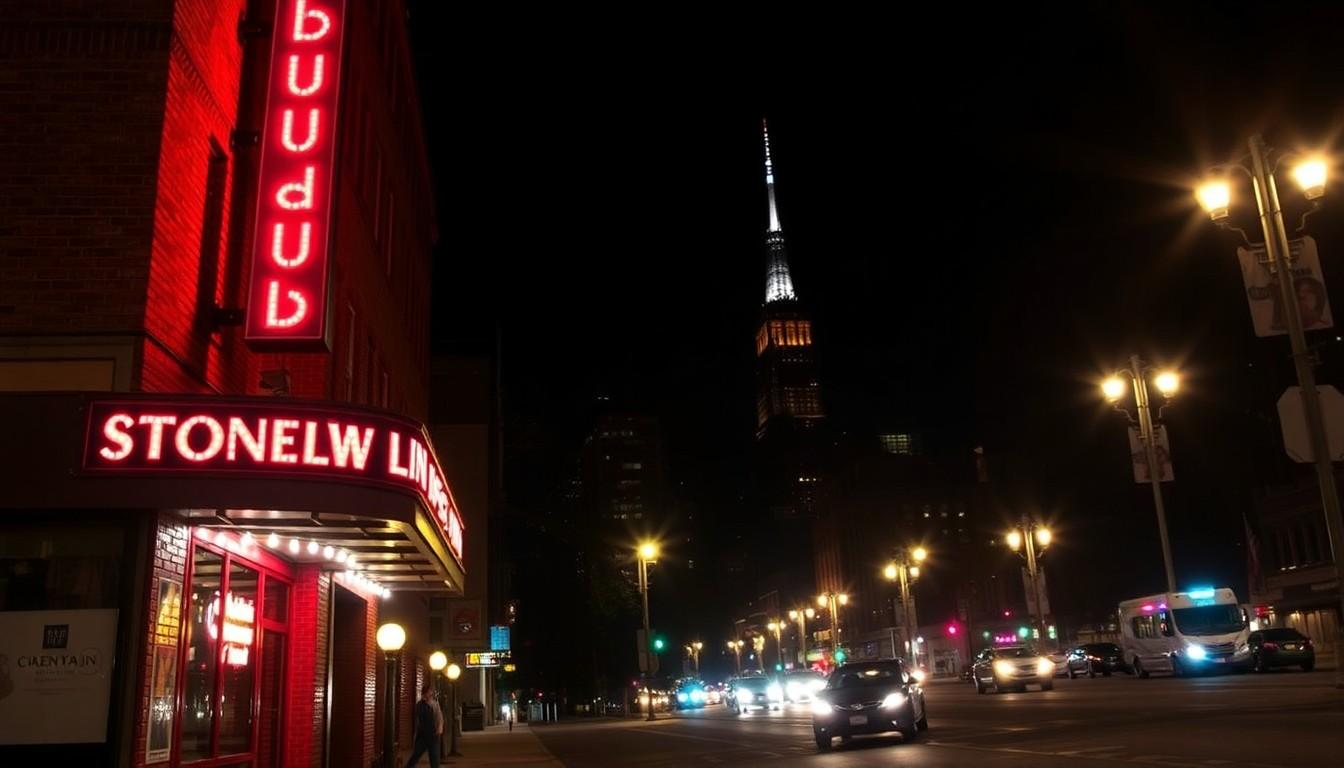
Celebrate loud and colourful: New Yorkers turned Fifth Avenue and the West Village into a canyon of flags, music and memories, as this year’s Pride , themed “For All of Us” , honoured Stonewall roots, community groups and everyday city life in a festival that felt unmistakably New York.
Essential Takeaways
- Huge turnout: Hundreds of thousands marched through Fifth Avenue and the West Village, with floats, bands and flags spilling into the streets and windows.
- Historic homecoming: The route finished at Stonewall Inn, reaffirming the bar’s role in the LGBTQIA+ rights movement and the march’s ritual significance.
- Inclusive leadership: Elected figures, including Mayor Zohran Mamdani and comptroller Mark Levine, marched with the crowd rather than watching from a stage.
- Local culture: Events from PrideFest stalls to the Dyke March and Queer Liberation March gave the weekend a mix of party, protest and community care.
- Organisational friction: The Italian delegation withdrew at the last minute citing political disputes within its Comites, a reminder that Pride is political as well as celebratory.
A parade that smells of summer and civic pride
The strongest sight was a river of colour down Fifth Avenue, feeling both festive and familiar, with glitter and music filling the air. According to local coverage, the march began at 26th Street and passed through the city’s most storied queer neighbourhoods before looping back to the Stonewall Inn, the symbolic cradle of the modern movement. That closing point matters: it’s not just a route but a return, a way to mark history while celebrating the present.
Stonewall still anchors the story
Stonewall’s place at the heart of the procession is deliberate and moving. Organisers leaned on Marsha P. Johnson’s words , the march’s theme, “For All of Us,” borrows her insistence that liberation must be universal , and this year’s programming made the connection explicit. For anyone who cares about continuity, the ritual of beginning and ending near Stonewall keeps the roots in view even as the event grows bigger and more diverse.
Politicians who chose to march, not pose
This Pride felt civic in a hands-on way. Mayor Zohran Mamdani walked with the crowd rather than standing on a platform, and other officials joined in, handing out high-fives and photo opportunities along the route. That level of visible participation says something about how the city now frames Pride: not a spectacle to be observed from afar but a public expression of identity the whole municipality claims.
Multiple Prides: protest, party and safe spaces
The weekend wasn’t a single narrative. Alongside the official parade there were grassroots events: the Queer Liberation March emphasised a corporate-free politics, the Dyke March brought a rowdier, feminist energy, and PrideFest packed the Village with stalls, street food and live DJs. If you wanted glamour, Bowen Yang and celebrity moments were there. If you wanted a reminder of the movement’s radical edge, the alternative marches offered it. That mix keeps New York’s Pride both joyful and sharp.
When diplomacy fails: the absent Italian contingent
Not everything was celebratory. The Italian delegation pulled out at the eleventh hour, citing internal political disputes in the Comites and a campaign to undermine their presence. Organisers say budget cuts and opposition within the committee forced cancellation, and the episode underlines that even international solidarity can be tangled in local politics. It’s a small reminder that organising inclusion is often messy work.
Everyday voices made the weekend human
What made the day feel quintessentially New York were the small, human details: commuters spotting old familiar announcements from Bernie Wagenblast, whose recent transition has been public and warmly received; drag queens on whimsical floats; neighbours leaning from fire escapes to clap. These moments are why Pride here reads less like a trade show and more like a city announcing who it thinks it is.
It's a small change that keeps the march rooted in history while opening space for everyone to join.
Source Reference Map
Story idea inspired by: [1]
Sources by paragraph: