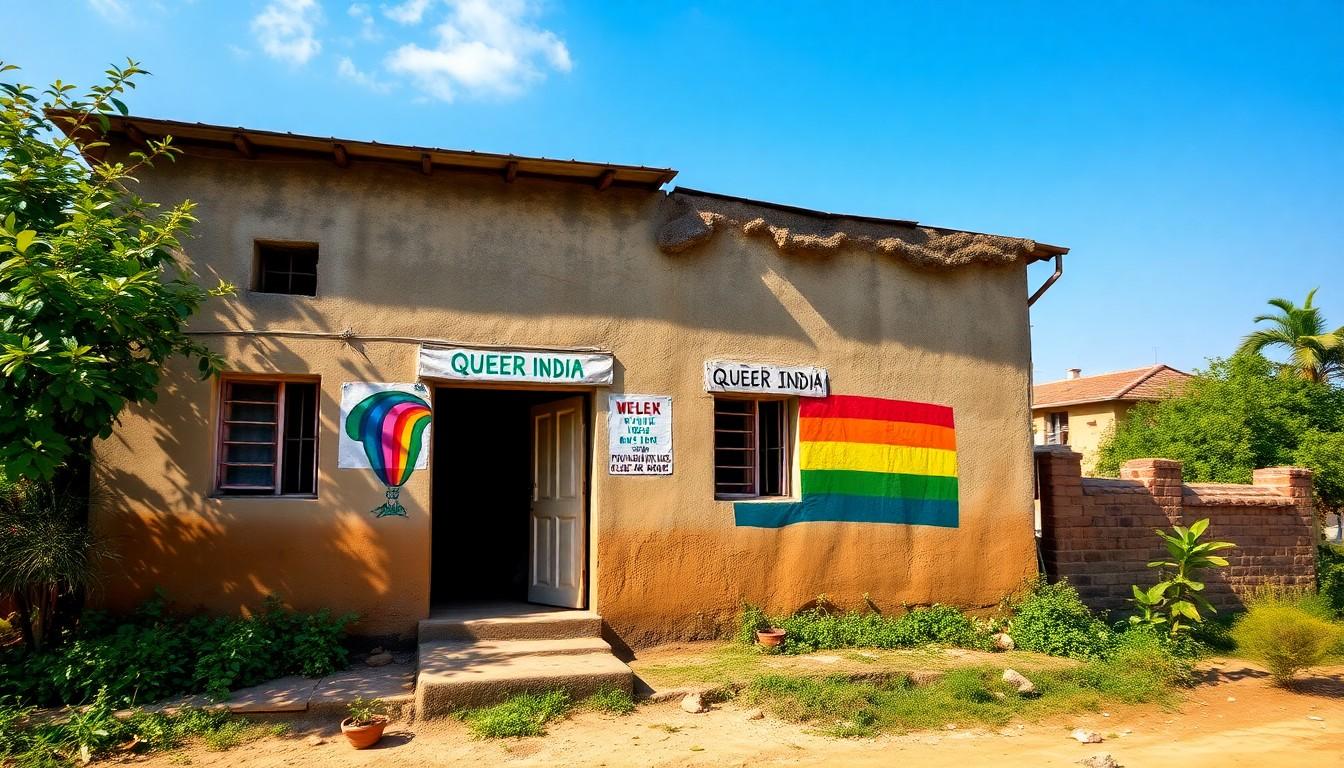
Shoppers and readers are turning to a new anthology that maps queer life across India; Queer India Now gathers essays, memoirs and reporting that show how joy, violence and community shape queer lives , and why intersectionality is no longer optional for understanding queer experience.
- What it is: An anthology of essays and portraits capturing queer lives across towns, cities and regions, mixing joy, resistance and legal struggle.
- Range of voices: Contributors include rural, small-town, urban and diasporic perspectives; reads varied and textured, sometimes tender, sometimes urgent.
- Tone and texture: Moments of queer joy sit alongside accounts of systemic violence; the book feels both intimate and political, often warm and vivid.
- Practical value: Helpful for readers who want to understand how caste, class, religion and disability intersect with sexuality and gender in India.
- Takeaway feeling: You’ll finish it both stirred and steadied , reminded that visibility is a choice and joy is a form of resistance.
A vivid portrait rather than a single story
Queer India Now opens by refusing neat summaries and instead offers crowded, colourful portraits; you can almost hear a drag bassline off Colaba and smell incense at a small-town home as the pages turn. According to the book’s framing, queerness in India can’t be reduced to one script , it’s shaped differently by region, caste, class and faith. That makes the anthology feel less like reportage and more like a patchwork quilt: stitched from personal essays, reportage and legal reflections that together map a complicated terrain.
The decision to foreground seldom-seen lives is political in itself. Editors and contributors push back against the familiar metropolitan narrative, showing how everyday queerphobia is embedded into institutions and architecture, and how that plays out unevenly across communities. For readers used to urban-centred stories, those chapters are a sharp, necessary correction.
Intersectionality is central, not an add-on
One of the anthology’s clearest commitments is to intersectionality. Essays that explore caste and queerness, or disability and queerness, make the case that you can’t fully grasp marginality without looking at multiple axes at once. The book demonstrates how caste, religion and socioeconomic status compound the lived realities of queer people , and how invisibility is often the result of deliberate choices about who gets to be seen.
This approach also changes how readers understand activism and policy. Conversations about queer rights in India often centre court cases and urban mobilisation, but the anthology shows why legal wins don’t automatically translate into safety or inclusion for everyone. It’s a useful primer if you want to think beyond headlines and consider how law, culture and social structures interact.
Joy as resistance , why ordinary happiness matters
If some chapters document violence and exclusion, many others celebrate queer joy: chosen families, first dates, neighbourhood parties and local drag cultures. These aren’t just pretty interludes; the book argues that joy itself is a political act. Celebrations , whether an impromptu dance at a coastal drag party or the quiet comfort of a chosen family dinner , reclaim space that public life has tried to deny.
That balance of sorrow and celebration is what keeps the anthology humane. You leave with a clearer sense that survival isn’t only about courts and campaigns; it’s also about the small, stubborn pleasures that keep communities alive. For readers and allies, those portraits offer practical cues for solidarity , listen, create space, and show up for everyday moments.
Regional snapshots deepen understanding
The collection’s regional essays are some of its most revealing sections. Pieces on queerness in Kashmir or on Karnataka’s jogati performers complicate simple ideas about where queer life happens. These snapshots show creativity and resistance in contexts often overlooked by national media, and they remind you that activism and culture look different from place to place.
For anyone wanting to broaden their reading list, those chapters suggest where to start: look beyond metropolitan queer scenes, seek local organisers and artists, and notice how rituals and art forms shape identity. The regional focus also signals an important shift in queer publishing , more editors are asking who gets to tell these stories and where those stories are rooted.
Why this book matters now
In a political moment when rights, rhetoric and public spaces feel contested, Queer India Now feels timely. It’s an archive, a manifesto and a celebration rolled into one, useful for students, activists, policymakers and curious readers alike. The anthology insists that visibility is a responsibility: who we centre determines whose lives are legible to law and society.
If you’re looking to understand contemporary queer life in India beyond token representation, this book is one of the best places to start. It teaches a simple lesson: representation without nuance is hollow, and joy is as important as justice.
It's a small change in reading that can make every act of visibility feel a bit safer and a lot more meaningful.
Source Reference Map
Story idea inspired by: [1]
Sources by paragraph: