Shoppers are flocking to Thames & Hudson’s latest Art Essentials title, Queer Art , a lively, image-rich primer that reclaims queer stories across history, from Frida Kahlo to young London photographers, and explains why representation in art history finally matters.
- Clear purpose: Queer Art is part of Thames & Hudson’s bestselling Art Essentials series and is designed as an accessible introduction to LGBTQ visual culture.
- Broad sweep: Chapters range from early coded queer imagery to contemporary photographers and sculptors, offering both context and vivid portraits.
- Emotional payoff: The book highlights tenderness, resistance and joy , works that feel intimate, celebratory and sometimes confrontational.
- Practical use: Ideal for newcomers, students or anyone wanting a compact, authoritative guide to queer art movements and figures.
Why this book feels like a small cultural victory
The launch of Queer Art in Thames & Hudson’s Art Essentials line is significant because that series has a track record of bringing big art histories to a wide audience. According to the publisher, these slim, well-illustrated volumes sell in strong numbers and help define how people learn about art movements and figures. That makes a queer-focused entry feel like an overdue correction to the canon, not a niche add-on, and it matters for readers who want to see LGBTQ lives treated as mainstream art history.
How the book maps queer threads through time
The book doesn’t just present contemporary queerness; it traces coded and explicit queer representation across eras. Curators point out early examples in classical and medieval art, then move through modern icons and into today’s scene. This approach helps readers recognise continuity , queer lives and creative expression didn’t begin yesterday , and gives context to why contemporary work both echoes and diverges from earlier practices.
Familiar names, reframed: Frida and others
Big names like Frida Kahlo reappear with fresh emphasis on sexuality and relationships rather than reductive headlines. For many mainstream viewers, Frida has been framed primarily through her marriage, but the book highlights her bisexuality and relationships with women, inviting readers to imagine how a fuller telling might change cultural conversations. Reframing familiar figures is one of the book’s strengths: it nudges you to look again at well-known images and see other dimensions.
Spotlight on contemporary queer practice
Young artists such as Rene Matić get generous space, showing how community, nightlife and intimate portraits function now as archives of queer life. Photography and sculpture feature heavily, and there’s a recurring theme of using found or discarded materials to reclaim dignity , a tactile, political choice that reads as both material and metaphor. These contemporary profiles make the book feel alive and current, rather than purely retrospective.
Why representation in museums and books still matters
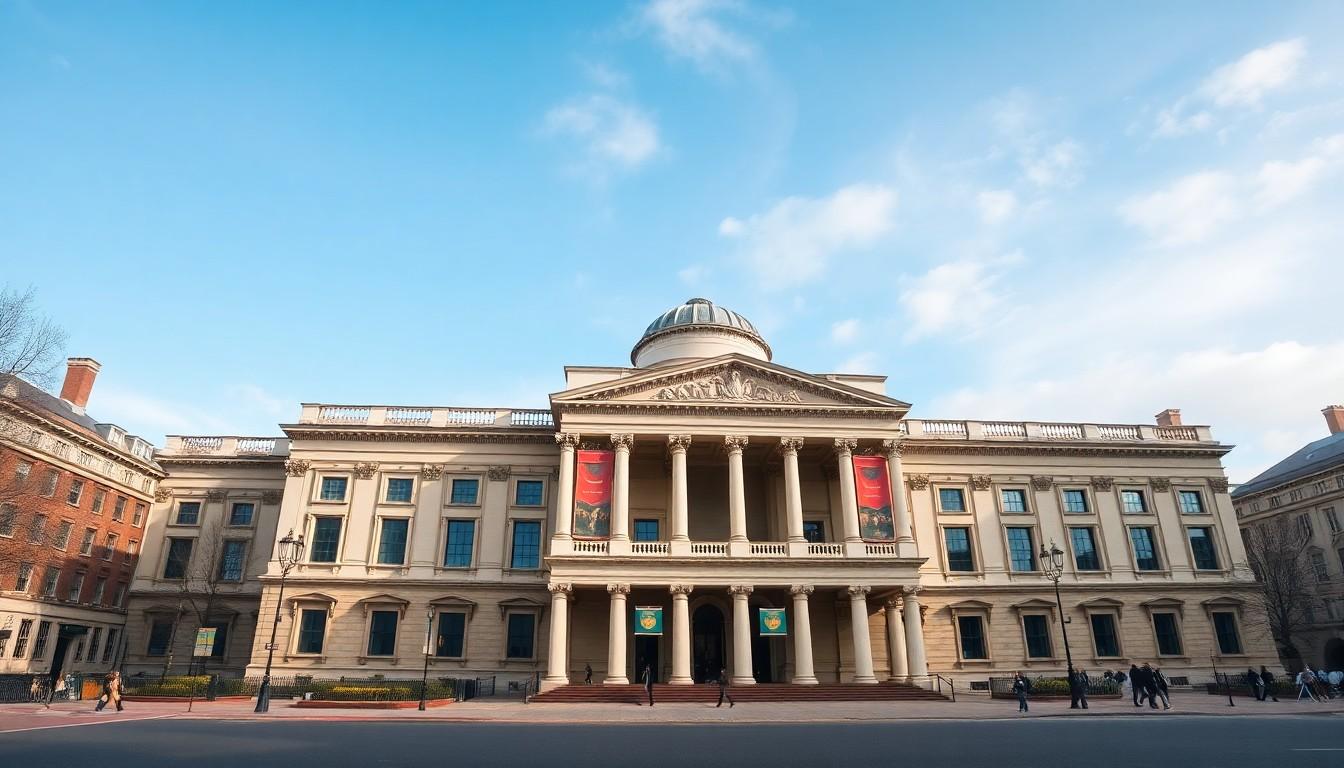
Part of the book’s energy comes from its politics of visibility: launching the title at a major national gallery and pairing it with landmark shows sends a message , queer art belongs in public institutions. That has practical consequences; when museums, publishers and schools include queer narratives, more people feel seen and informed. For readers wanting to dive deeper, the book is a handy starting point, and it also points to artists and archives worth following.
It's a small change that helps make art history feel a bit more like the world we actually live in.
Source Reference Map
Story idea inspired by: [1]
Sources by paragraph: