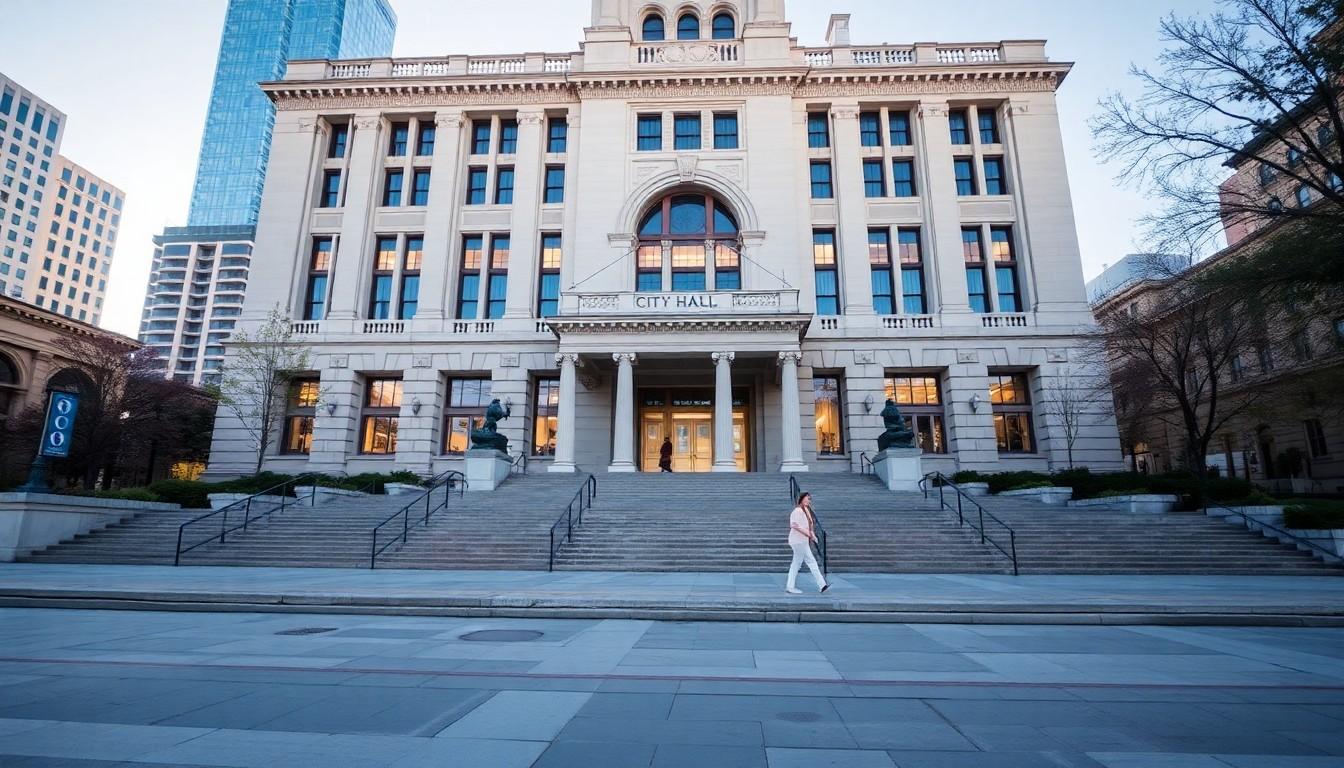
Celebrate cautiously: Minneapolis councilmembers have voted to repeal a decades-old ban on commercial adult bathhouses, a move supporters call a win for gay rights that also raises fresh public-health and safety questions across the city.
- What changed: Nine of 13 councillors voted to repeal the ordinance and create a licensing framework for commercial bathhouses, allowing consensual adult activity under regulation.
- Historic twist: The original 1988 ban was backed by Minneapolis’s first openly gay councillor amid the AIDS crisis, a decision shaped by fear and scarce medical options.
- Health focus: The repeal updates public-health codes and carves out exemptions to indecent-conduct rules, while leaving room for safety measures and disease-prevention requirements.
- Mixed reactions: Supporters hail it as overdue progress; a few councillors worried about safety voted against it, and the mayor has yet to sign the measure.
- Practical note: If you’re a resident or business owner, expect licensing rules and health inspections to follow and allow time for implementation.
Why the repeal matters now: rights, regulations and context
The vote wiped away an ordinance that many criticised as rooted in homophobia, but the story isn’t that simple. According to coverage in local outlets, advocates describe the repeal as restoring civil liberties for adults to gather and express their sexuality in regulated spaces. At the same time, the decision reflects how much public-health options have changed since the late 1980s. Back then, HIV was a rapidly fatal illness and authorities scrambled to limit transmission without the tools we have today.
For residents, that history gives the debate texture: this isn’t merely a culture-war flip, it’s also an update to municipal law in light of modern medicine and harm-reduction thinking. Industry watchers and advocates will be watching the licensing language closely, because it will determine who can operate, where and under what safety standards.
The 1988 ban’s complicated legacy
The original prohibition was adopted during the height of the AIDS epidemic and, crucially, had support from a prominent gay leader who feared for his community. Historical records show he struggled with the balance between sexual freedom and a need to curb a deadly disease. That nuance has been largely absent from some modern headlines, but it’s central to understanding the repeal debate.
Some campaigners now argue the earlier law unfairly criminalised queer spaces and stemmed from prejudice as much as public-health concerns. Others note that those dangerous years shaped painful but pragmatic decisions. The repeal forces the city to reckon with that history while designing rules that won’t repeat past harms.
What the new licensing regime will likely look like
City councillors voted for a licensing framework rather than a free-for-all, signalling an interest in oversight. Expect requirements akin to other regulated businesses: permits, safety inspections, sanitation standards and potentially staff training on harm reduction. Health-code revisions tied to the repeal suggest cities will prioritise disease-prevention measures rather than blanket bans.
If you’re thinking of opening or attending a venue, look out for local guidance on size limits, location rules and operational standards. Operators will probably need clear protocols for cleanliness and client safety, and public-health officials will want mechanisms to monitor compliance.
Political reactions and the mayor’s role
Supporters, including LGBT advocates and the ordinance’s co-author, framed the move as long overdue and consistent with current public-health science. Opponents raised concerns about safety and community impact, and a handful of councillors either voted no or abstained on conscience grounds. The mayor supports repealing the ban in principle but has yet to prioritise signing the ordinance, so the next steps depend on his formal approval and on how the licensing rules are finalised.
Expect more council hearings and local media coverage as details are written into the municipal code. For now, the repeal is a symbolic and practical turning point, but not yet the final word.
Practical tips for residents and business owners
If you’re a resident worried about neighbourhood impacts, track the council’s implementing rules and attend public hearings so you can raise specific concerns about location or hours of operation. If you’re a potential operator, start preparing for licensing: draft sanitation plans, outline staff training and consult public-health guidance on sexually transmissible infections and harm reduction. Local LGBT organisations can be useful partners for best practice and community outreach.
It’s a small change that could make a big difference for how adults gather and how the city balances freedom with safety.
Source Reference Map
Story idea inspired by: [1]
Sources by paragraph: