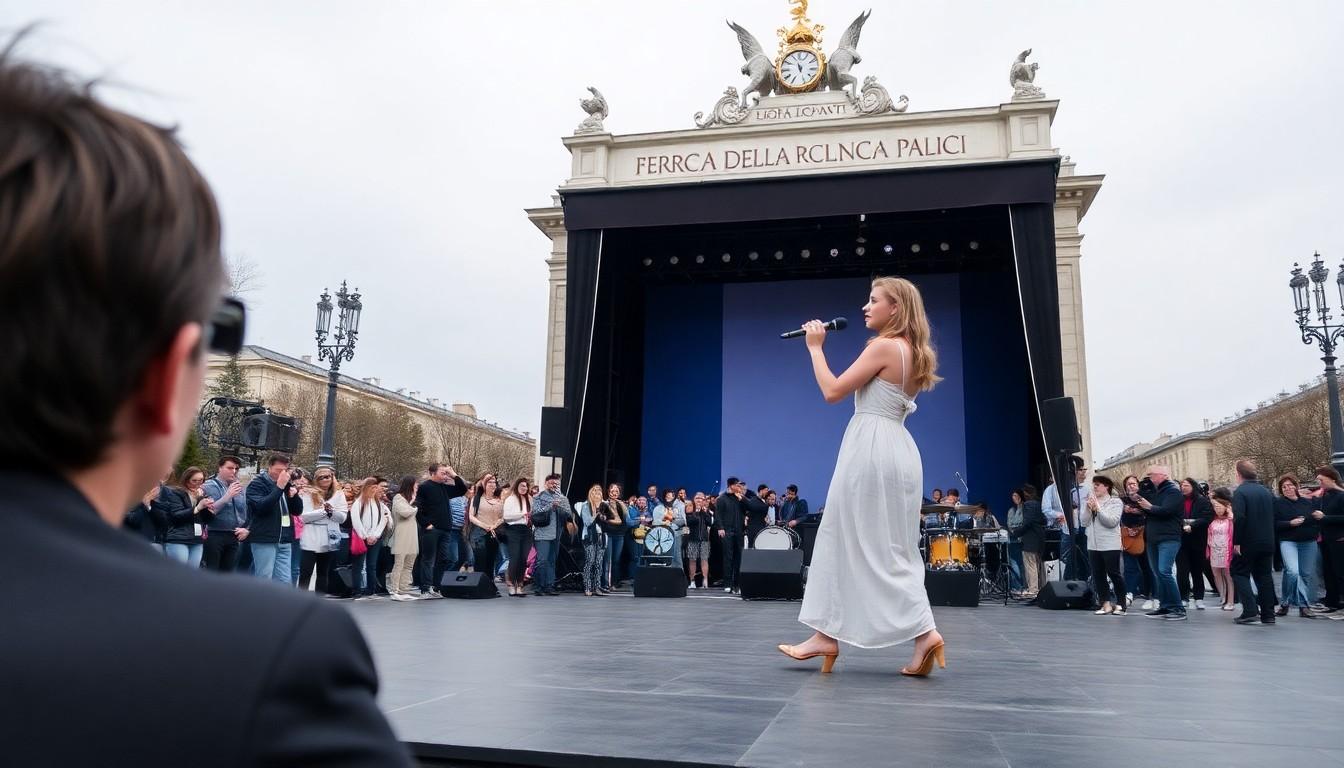
Celebrate and protest: performers at Milano Pride used the Arco della Pace stage to push back against rising hostility, with artists like Paola Turci and Arisa arguing that visibility now equals political action and that inclusion takes real work. The parade’s 25th anniversary turned music into a clear civic statement in central Milan.
- Artists spoke out: Paola Turci and Arisa framed their appearances as necessary, not optional, noting a harder public climate and the power of slogans.
- Visibility as protest: The final concert at Arco della Pace became a platform for rights claims, not just entertainment.
- Political context: Recent anti-LGBTQIA+ rhetoric and a transfobic murder in Versilia sharpened the urgency behind performers’ words.
- Emotional resonance: Performers stressed care, community and tenderness as reasons to defend inclusion; the crowd responded with solidarity.
A stage that stopped being just a concert
The Arco della Pace, usually a pretty backdrop for a summer gig, took on a different texture this year , tense, resolute, even a little raw. Paola Turci told reporters the choice to be on that stage wasn’t mere presence but a deliberate act of resistance, and you could sense it in the way the crowd listened, quiet and focused. According to organisers, Milano Pride’s 25th year drew thousands to the parade and the final event felt more like a civic square than a festival tent.
This isn’t accidental. The march and the concert sit inside a political moment: heated headlines, outspoken politicians and a wave of public debate. Milano Pride’s own materials spell out demands and a political platform, and that context makes every song and speech layered with intent. For attendees, the mix of music and manifesto was familiar and urgent at once.
Why performers said silence wasn’t an option
Artists have always played at Pride, but Turci and Arisa argued that in 2026 you can’t treat performance as neutral. Turci pointed to the recent rise in support for hardline rhetoric and warned that catchy slogans have real traction. Arisa put it another way: anger is contagious and votes follow emotion; peace and inclusion require the harder work of empathy and policy.
That framing helps explain why celebrities stayed on stage to speak, not just sing. It’s a trend: performers increasingly use their platform to translate atmosphere into action , endorsements, calls to vote, or simply naming injustice so it can’t be ignored. For viewers thinking about civic participation, the lesson is clear: visibility from well-known voices keeps pressure on institutions.
The local backdrop: parade, policy and purpose
Milan’s parade route and the political document Milan Pride publishes each year show this is more than a party. Milano Pride outlines concrete demands and a programme for change, and the parade itself remains a civic ritual , a public, colourful reminder of unfinished business. City listings and event guides noted a packed schedule of talks, workshops and performances leading up to the Arco della Pace finale, all underlining the movement’s organising muscle.
Practical takeaway: if you want both celebration and civic engagement, plan to arrive early and catch the daytime panels as well as the evening music. The full experience is how activists stitch together culture and campaigning, and that’s where policy shifts begin.
What the artists said about compassion and community
Arisa’s remarks were intimate as well as political; she described the queer people in her life as constant sources of support and tenderness. That personal note grounded the rhetoric: this isn’t abstract rights-talk, it’s about people who love, care and keep each other safe. Turci’s observation that some people are swayed by slogans underlines the human cost when rhetoric hardens into policy.
It’s a reminder that advocacy has two registers: the emotional labour of solidarity and the harder institutional work of legal recognition. Both matter. For anyone organising or supporting Pride locally, that means mixing storytelling with clear demands , keep human faces in the conversation, and don’t shy from concrete asks.
What this means going forward
The Milano Pride finale felt, in short, like a turning point in tone. Organisers mark 25 years of parade history and, in a tougher public climate, artists made it their business to say why the fight keeps going. Expect future Prides to sustain this mix of culture and campaigning: visibility will remain a political tool, and stages will keep doubling as soapboxes.
If you were there, you probably left humming a tune and thinking about what you might do next. If you weren’t, consider showing up next time , protest, listen, or simply be visible. It helps.
It's a small change that can make every appearance mean a bit more.
Source Reference Map
Story idea inspired by: [1]
Sources by paragraph: