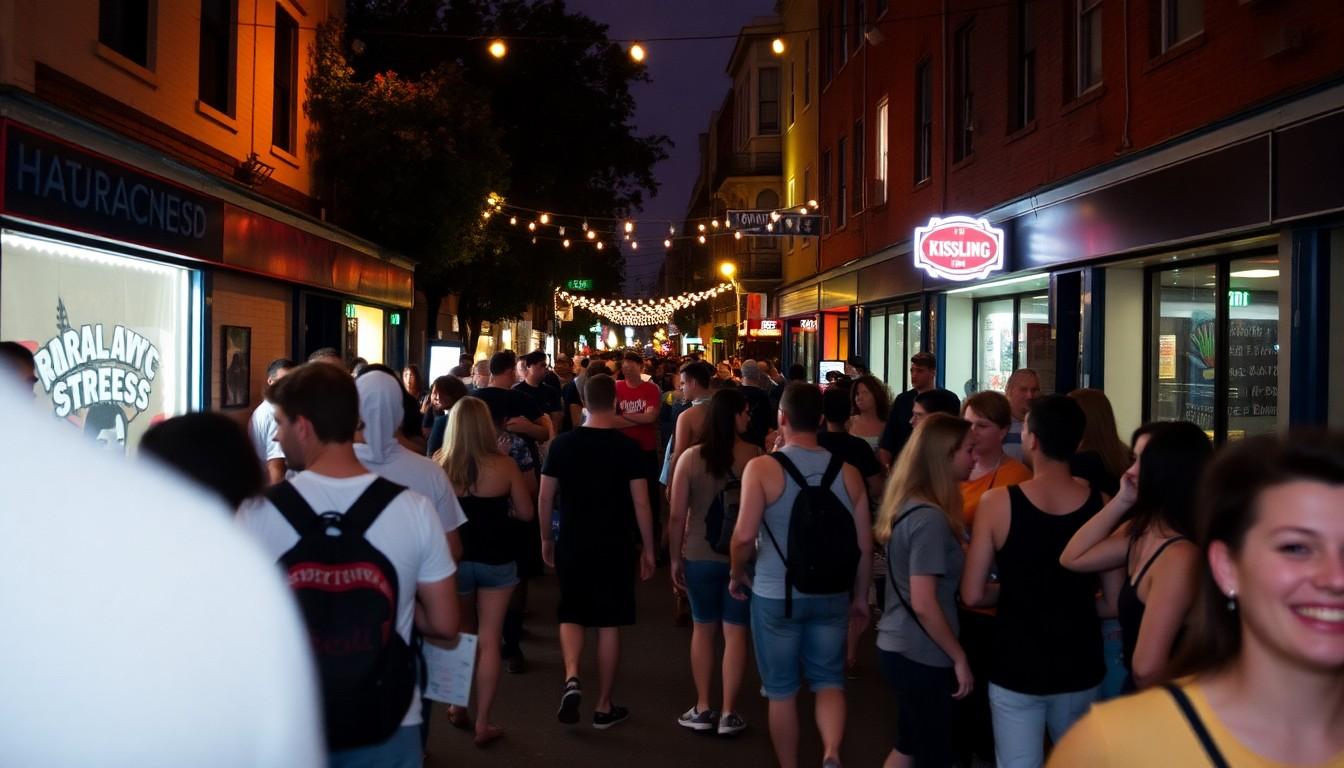
Watchers reported a chaotic, late-night scene as roughly 300 people gathered for an unsanctioned SoMa Pride “Stud Alley” block party, ending with 20 arrests and scrawled graffiti along Kissling and Washburn streets , a flashpoint that matters because it underscores tensions between spontaneous queer celebration and public safety in San Francisco.
Essential Takeaways
- Size of gathering: About 300 people were reported at the unauthorised block party, drawing a heavy police response.
- Arrests made: The SFPD detained 20 people on charges including unlawful assembly and obstructing officers.
- Property damage: Videos and police accounts say passing vehicles were vandalised, leaving at least two inoperable, and graffiti remained the next day.
- History matters: The event grew out of annual Stud Alley gatherings after the Stud nightclub closed its original location in 2020 and has a track record of similar vandalism.
- Community friction: Organisers had disavowed an official event this year, yet the unofficial slogan “Every Alley Stud Alley” persisted in graffiti and chants.
Night of confrontation: riot gear and repeat dispersals
Police arrived around 11pm to find a big crowd, a DJ setup and a party that didn’t have permits or organisers on site. Witness video shared online shows officers in tactical gear advancing through the alley as the crowd was cleared. That initial dispersal led to two arrests, then later a second gathering a few blocks away produced 18 more detentions, according to police statements.
This wasn’t a quiet shutdown. Officers said some attendees ignored orders to disperse after the DJ left, and the follow-up gathering on Washburn Street escalated enforcement. For locals, the scene was loud and unsettling; for officers, it became an operational question of how to manage an unauthorised mass event in a dense, residential-commercial area.
Vandalism and damaged cars: a pattern repeating
Authorities reported several people vandalised two passing vehicles , reportedly Waymo autonomous cars , rendering them inoperable. Graffiti reading “Fuck SFPD,” “No Cops at Pride,” and “Every Alley Stud Alley” was still visible the next morning on walls along Kissling and Washburn streets.
Those images will ring familiar for long-time residents. The Stud Alley gatherings, which bubbled up after the Stud club’s 2020 closure at its original address, have previously produced smashed windshields, dents and large-scale graffiti. That history colours how both neighbourhoods and the city respond when this event reappears.
Where the Stud name came from and how it keeps resurfacing
The Stud’s original location became a rallying point for queer nightlife and, after it closed, an annual anarchic gathering took root. The club later reopened at a new spot on Folsom and Seventh, but the alley-based tradition continued, as a kind of spontaneous Pride afterparty that thrives on being unofficial.
Organisers this year said they would not officially host the event, noting it had “outgrown itself,” yet the unofficial spirit survived. That contradiction , people wanting to celebrate but rejecting formal structures , helps explain why the alley events are hard to manage and hard to predict.
Authorities, activists and neighbours: competing priorities
City police framed the operation as an enforcement action to stop unlawful assembly and property damage. Meanwhile, many in the queer community view these alley gatherings as grassroots expression that’s been co-opted by vandalism and mayhem. Neighbours and business owners, though, mostly see noise, broken glass and smeared graffiti on Monday mornings.
Going forward, the debate will likely centre on whether to provide sanctioned spaces for late-night Pride events, step up policing during Pride weekend, or invest more in community-led de-escalation and clean-up teams. Each approach has trade-offs: more permits and fences can dampen spontaneity, while hands-off tolerance can invite repeat damage.
Practical tips if you’re going to Pride events in SoMa
If you plan to attend Pride-related street parties, arrive with awareness: expect crowds, keep valuables stashed, and have a meeting spot in case phones die. Avoid blocking thoroughfares and be ready to leave promptly if organisers or police ask. If you see property damage unfolding, move to safety and report specifics to authorities , providing clear video can help investigations without escalating the scene.
It’s a small change, but thinking ahead can help celebrations stay joyful rather than ending in arrests or cleanup.
Source Reference Map
Story idea inspired by: [1]
Sources by paragraph: