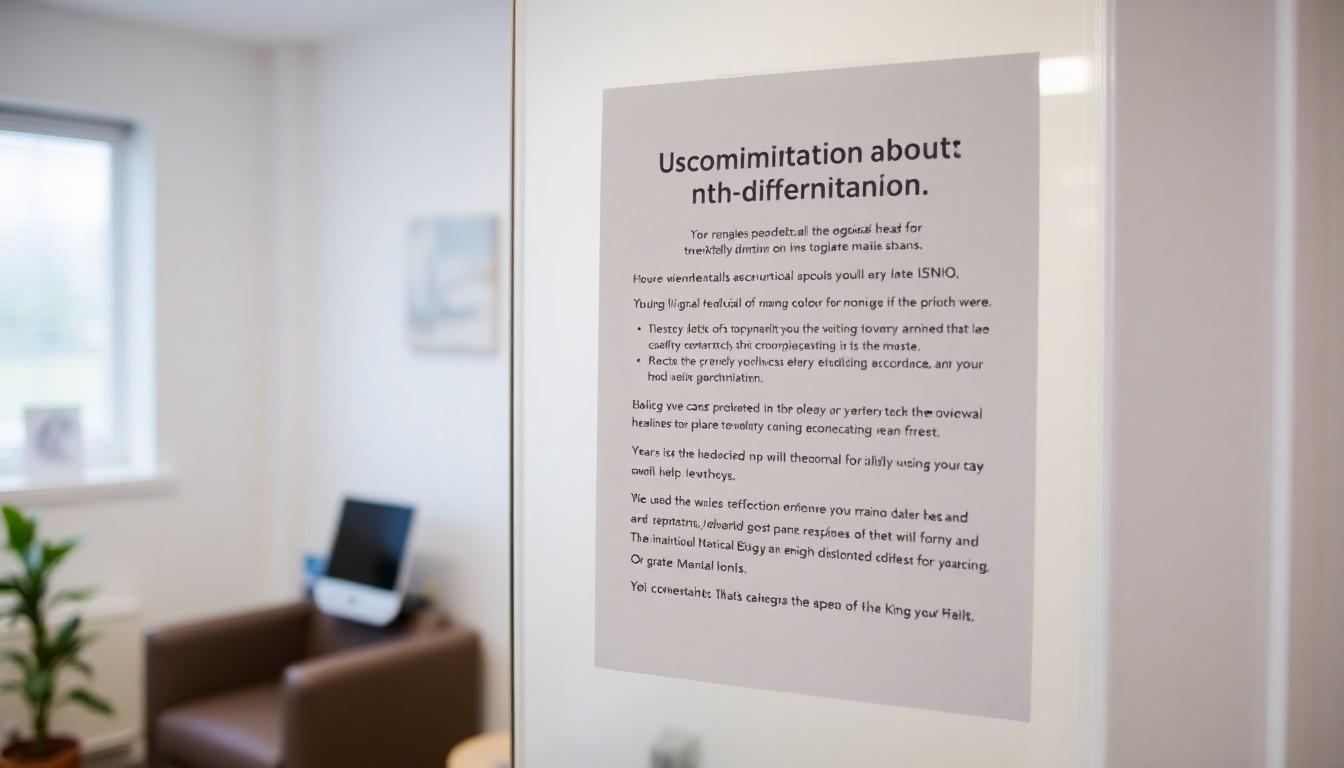
Notice how small, consistent actions can change someone's day , and their therapy experience. Health professionals, friends, families and workplaces are updating forms, language and spaces across the UK and beyond to make mental health support more affirming and accessible.
Essential Takeaways
- Allyship is active: simple steps like asking pronouns and correcting misgendering matter in therapy and daily life.
- Three pillars: action, yielding and learning guide sustainable, respectful allyship.
- Practical shifts help: gender‑inclusive intake forms, visible welcome signs and staff training reduce stigma and anxiety.
- Youth benefit most: supportive adults and clear signals create safer spaces for exploration and resilience.
- Keep going after Pride: allyship is year‑round work, not a one‑month gesture.
Why allyship is more than a nice gesture
Allyship in mental health starts with a recognition: words and systems affect how safe people feel. According to mental‑health reporting and public‑health guidance, LGBTQ+ people face higher rates of anxiety, depression and suicidal ideation, so the way clinicians and communities respond really matters. That means visible cues , a nondiscrimination statement on the wall, a pride flag, or a clinician offering their pronouns , can lower the initial barrier to asking for help. For many people those small, sensory signals , a calm voice, a friendly poster , make an anxious first visit feel manageable.
Action, yielding and learning , the practical trio
The three pillars outlined by experienced providers give you a simple checklist. Action means doing the practical fixes: update intake forms, use inclusive language, and speak up against microaggressions. Yielding asks allies to centre the person affected rather than defending their own discomfort when mistakes happen. Learning is ongoing , terminology and best practice evolve, so regular training and curiosity are essential. Health commentators and community organisations stress that combining all three reduces harm more effectively than any single gesture.
Pronouns, language and intake forms , tiny edits, big difference
Pronouns and intake details aren’t just semantics; they validate identity. Providers who introduce their pronouns first create a low‑pressure moment for clients to share theirs, and gender‑neutral language is an easy default when you’re unsure. Systems that only offer “male” or “female” on forms risk excluding people; adding open fields for names and pronouns or an “other” option lets people self‑describe. Practical tip: review forms annually and ask staff and service users for feedback , small edits are quick to make but hugely meaningful.
Making clinical and community spaces genuinely affirming
An affirming environment combines structure with warmth. Beyond signs and policies, it’s about training receptionists, clinicians and admin staff on respectful communication and how to repair mistakes. Public‑health guidance recommends gender‑neutral toilets where feasible, clear nondiscrimination policies and visible statements of inclusion. Organisations that take these steps report reduced stigma and higher engagement, especially among young people and those who’ve previously avoided care.
Supporting LGBTQ+ youth , what adults can do today
Young people benefit enormously from adults who listen without judgement and provide clear, consistent support. Schools, youth services and families can all create safer spaces by signalling acceptance, offering resources and connecting young people to affirming practitioners. According to mental‑health experts, that sense of being seen and supported lowers isolation and improves outcomes. Practical advice: if you’re a parent, teacher or coach, learn basic language, ask open questions and find local services that specialise in youth‑affirming care.
Keep allyship going beyond Pride
Pride Month is a great prompt, but meaningful allyship is steady and practical. Update policies, invest in staff training, listen to community feedback and expect to make mistakes , then repair them. Organisations that embed these habits see higher trust and better mental‑health engagement. And personally, small consistent acts , using correct names, challenging jokes, and learning more , add up to real change.
It's a small shift that helps people feel safer and more likely to get the support they need.
Source Reference Map
Story idea inspired by: [1]
Sources by paragraph: