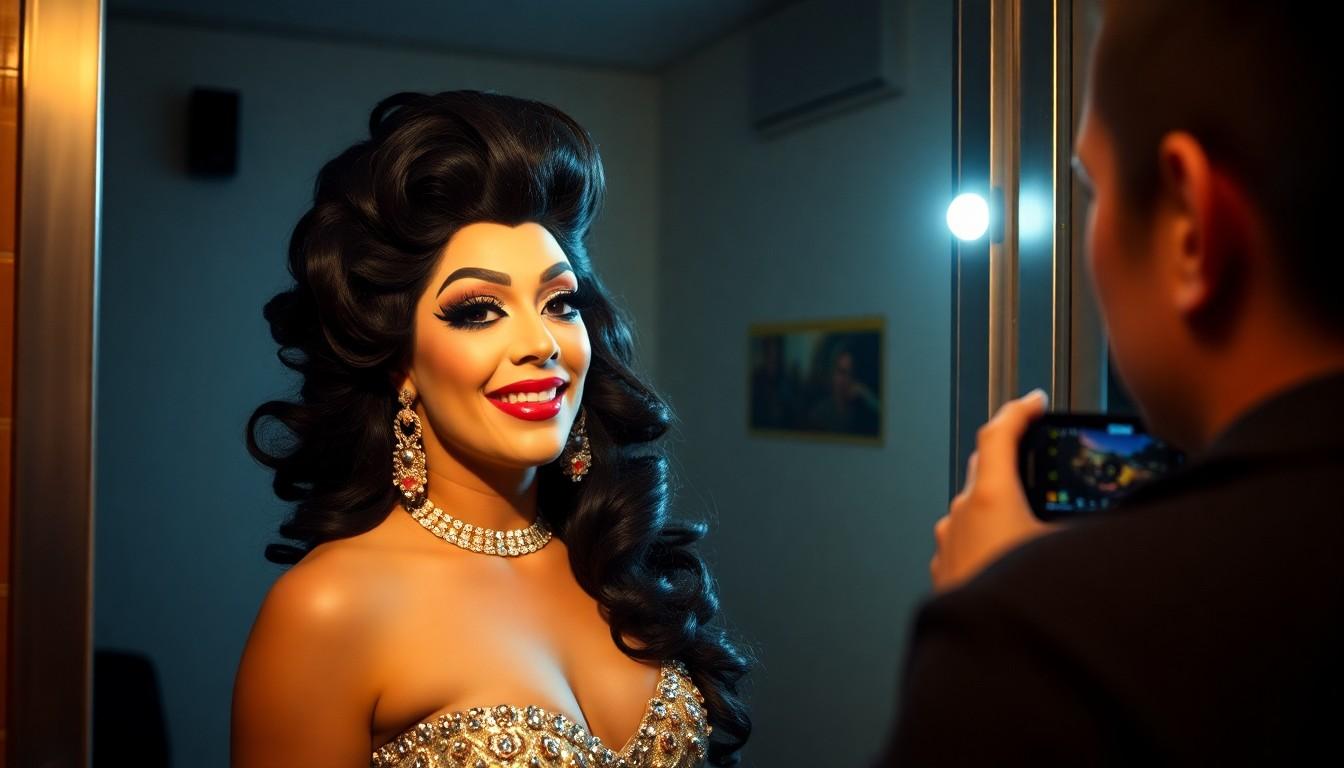
Shoppers are turning to history and spectacle: Jewish drag has long blended faith, theatre and queer joy, from Purim spiels to modern Pride shows, and this story traces how costumes, comedy and spirituality have made drag a vital space for Jewish self‑expression.
- Long history: Jewish performance with cross‑dressing goes back centuries, rooted in Purim spiels and evolving through Yiddish theatre and cabaret.
- Iconic figures: Performers from Pepi Litman to Flawless Sabrina and Sadie, Sadie used drag to challenge gender roles and fight for community causes.
- Spiritual space: Artists like Rabbi Amichai Lau‑Lavie use drag to reconcile religious identity and queerness, creating a “third space” for faith and self.
- Mainstream meets grassroots: RuPaul’s Drag Race and local synagogue events have normalised drag while keeping it politically and culturally resonant.
- What to look for: Seek shows that foreground Jewish themes, offer historical context, and create safe, celebratory spaces for both queer and interfaith audiences.
Why Purim mattered: the holiday that let Jews try on other lives
Purim’s mix of disguise, satire and role‑play gave Jewish communities a sanctioned way to bend gender rules without breaking with faith, and that theatrical freedom planted a long‑lasting seed. According to cultural historians, Purim spiels let people experiment with identity in public, creating a playful, sometimes subversive tradition. That ritualised transgression would later feed into Yiddish theatre and cabaret, where cross‑dressing took on sharper comic and social edges. If you want to understand Jewish drag, start with Purim: it’s where the costumes, the jokes and the fearless mockery of power got their first sustained airing.
From Pepi Litman to the Broderzinger stage: drag in Yiddish theatre
In Eastern Europe the Broderzinger movement and Yiddish theatre turned one‑off disguise into recurring performance, and stars like Pepi Litman embodied masculine roles to question women’s place in society. Litman’s husky voice and trousers shocked audiences, yet also offered a model of public, defiant womanhood that resonated with female spectators. As scholars note, these acts weren’t necessarily queer in the modern sense but they played with gendered norms in ways that opened imaginations. When choosing archival or revival shows, look for companies that contextualise this history so you catch both the humour and the social critique.
American pioneers: building community and rewriting stereotypes
In the US, mid‑century figures such as Flawless Sabrina used pageants and performance to both mentor young queens and flip Jewish stereotypes on their heads. Sabrina’s “bar mitzvah mother” persona reframed the anxious Jewish mother as glamorous and supportive rather than embarrassing, and that reclamation matters. Other performers, like Sadie, Sadie the Rabbi Lady, married theatre with activism during the AIDS crisis, founding groups and staging vigils when institutions were silent. These acts show how drag can be refuge, protest and communal care all at once, so when you see a retrospective or benefit performance, expect equal parts comedy and conscience.
Drag, spirituality and the “third space”: performing faith out loud
Some Jewish drag artists use the art form to explore spiritual identity, creating what critics call a third space between tradition and self‑expression. Rabbi Amichai Lau‑Lavie’s Rebbetzin Hadassah Gross is a clear example: performing in full rabbinic drag allows questions of masculinity, God‑images and family expectation to be played out on stage. Documentaries and festival programmes have recently shone a light on this work, showing audiences how drag can be devotional as well as theatrical. If you’re curious, seek panels or Q&As alongside shows; hearing a performer explain their spiritual choices deepens the experience.
Mainstreaming and its tensions: what today’s crowds mean for the art
RuPaul’s Drag Race and drag brunch culture have introduced drag to mainstream audiences, spreading slang and making queens household names, but that popularity brings friction. Some artists worry that mainstream tastes flatten history and politics, while others welcome the wider platform for Jewish themes and fundraising. Local synagogue Pride nights and curated events such as “Jewish Drag Icons: Then and Now” demonstrate a healthy middle ground, education alongside spectacle. When attending, check whether a show donates to community causes or includes historical nods; those details often separate flash from substance.
How to choose a Jewish drag night that feels honest
Look for events that balance celebration with story: programmes that list performers, note historical influences, or partner with Jewish or LGBTQ+ organisations usually offer richer experiences. If you want history, prioritise talks or screenings that accompany performances; if you want worshipful play, seek out artists who foreground spirituality in their acts. For families, check content warnings and ages, especially at library story hours or community events. And of course, trust the vibe, Jewish drag tends to be loud, warm and self‑aware, so if the room feels joyful, you’re probably in the right place.
It's a small change that can make every show feel more meaningful and memorable.
Source Reference Map
Story idea inspired by: [1]
Sources by paragraph: