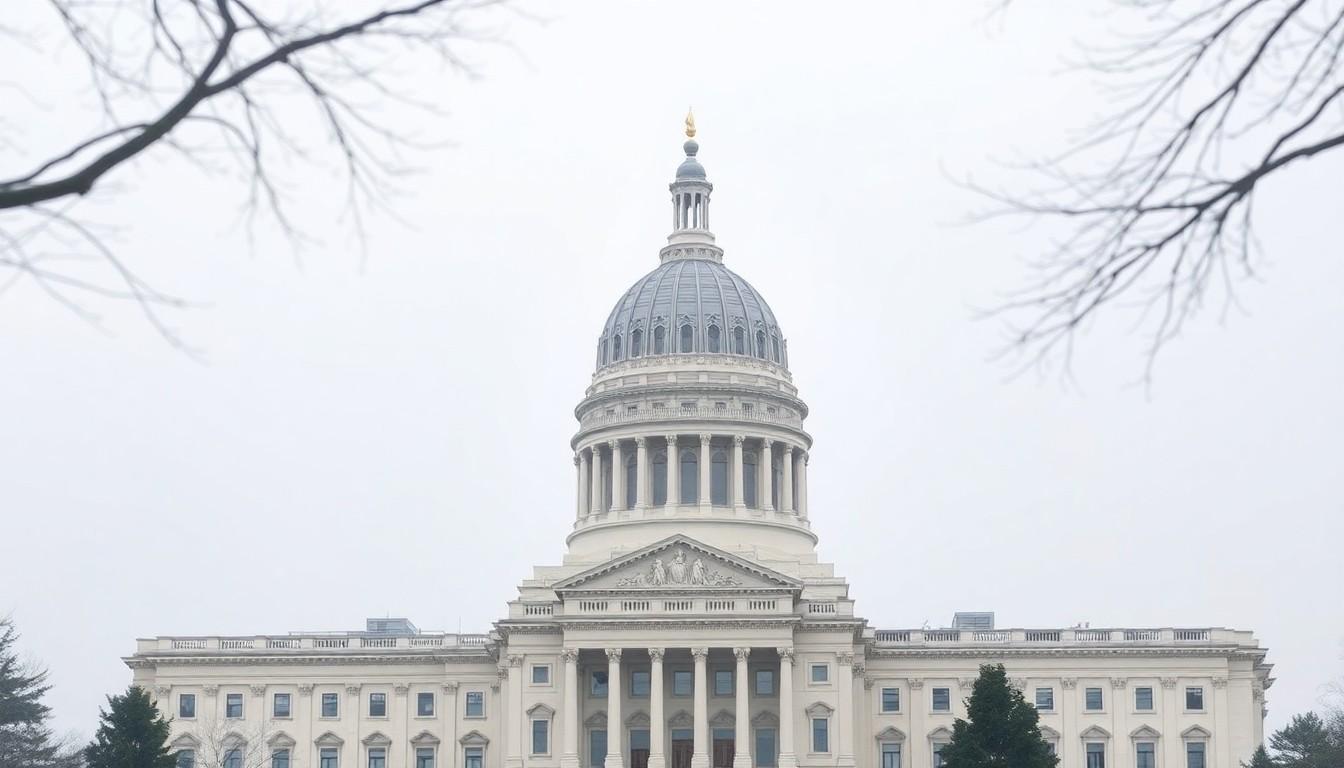
Shoppers for legal clarity are watching as the US Supreme Court takes up challenges to Washington’s SB‑5599, a law letting licensed youth shelters notify state child-welfare officials instead of parents when runaway minors seek gender‑affirming or reproductive care , a case that could reshape parental‑rights law nationwide.
Essential Takeaways
- Case now at the Supreme Court: The high court granted review of International Partners for Ethical Care v. Ferguson; arguments set for the October term and a decision expected by summer 2027.
- What SB‑5599 does: It allows shelters and host homes to withhold parental notification in certain “compelling reason” cases while still alerting the state Department of Children, Youth and Families.
- Services covered: “Protected health care services” include gender‑affirming care (from social supports to hormone therapy evaluations) and lawful reproductive health services; it doesn’t authorise surgery without parental consent.
- Why plaintiffs sued: National and local groups plus several parents argue the law infringes on parents’ 14th Amendment liberty interests; lower courts dismissed the suit for lack of standing.
- Public split: Supporters framed the law as lifesaving for vulnerable LGBTQ+ youth; critics said it sidelines parents and risks harm to family cohesion.
What exactly is SB‑5599 and why it matters now
SB‑5599 carved a narrow exception into Washington’s Family Reconciliation Act so certain youth shelters can notify the state rather than parents when a runaway minor seeks “protected health care services.” The language is practical and procedural , shelters must still contact the state Department of Children, Youth and Families , but it touches on deep instincts about who decides for children. Supporters say the law is about safety and access for youth who may be rejected at home; opponents call it an erosion of parental authority. With the Supreme Court agreeing to hear the dispute, the question will shift from state policy to constitutional principle, and the ruling could influence how other states balance parental rights and youth autonomy.
How supporters and lawmakers defended the law
Democratic sponsors including Senator Marko Liias framed SB‑5599 as a response to a clear harm: LGBTQ+ youth are disproportionately represented among homeless teens because some are kicked out or forced to flee unsafe homes. Legislative supporters argued that shelters need the discretion to make quick, protective choices for a young person’s wellbeing, and that the law doesn’t let minors undergo surgical procedures without consent. The bill sailed through a Democratic‑led Legislature and was signed by Governor Jay Inslee in May 2023, then took effect that July. For many advocates, the law is practical , it keeps doors open to health and mental‑health services in moments when parental contact might do more damage than good.
Why opponents say parents should decide
Republican critics and several parent groups cast the statute as a threat to the fundamental liberty parents have to direct their children’s upbringing and medical care. Detractors called the exception vague, questioned how long minors could be away from home under the bill, and warned the policy could drive wedges between families at a critical moment. Those concerns formed the basis of the federal lawsuit, which argues SB‑5599 displaces parental decision‑making in violation of the 14th Amendment. The clash is as much about values and trust as it is about statutory text: opponents worry about precedent, while supporters worry about the immediate safety of vulnerable teens.
The legal path: dismissed, affirmed, now headed to the Supreme Court
Plaintiffs filed suit in August 2023; the federal district court dismissed the case in May 2024 for lack of Article III standing, finding the parents hadn’t shown a concrete, imminent injury. The Ninth Circuit unanimously affirmed that dismissal in July 2025. Undeterred, the plaintiffs petitioned the Supreme Court, which granted certiorari in June 2026 to decide whether parents have standing to challenge laws or policies that they say impede their role in children’s gender‑related care. The upcoming arguments will likely turn on standing doctrine and the contours of parental rights under the 14th Amendment , legal territory the Court has been reshaping in recent years.
What this means for families, shelters and other states
If the Supreme Court rules that parents do have standing, we could see a wave of new litigation challenging similar shelter and school policies across the country. A decision for the state might leave room for shelters to continue those protections, although the Court’s eventual reasoning will matter , a narrow holding could preserve state discretion in specific contexts, while a broad ruling could curtail policies nationwide. For parents and shelters in Washington, the case has created uncertainty: shelters still follow the law now, but providers and families alike will watch the Court for a clearer allocation of authority. Practically, families concerned about access or notification should consult local resources, document communications, and know that the law still requires shelters to notify DCYF.
It's a small change in procedure that may have big consequences for parental rights and vulnerable teens.
Source Reference Map
Story idea inspired by: [1]
Sources by paragraph: