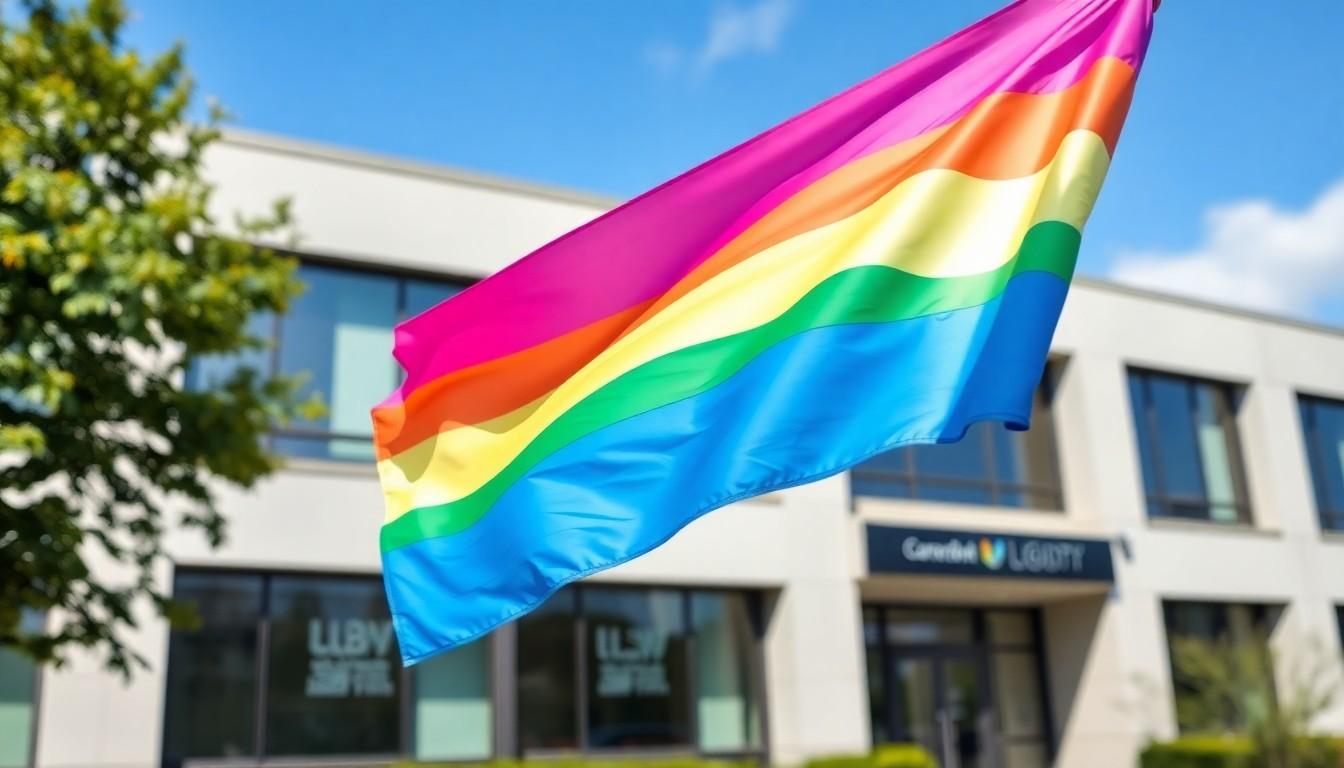
Discovering Pride flags can feel like learning a new language , colourful, meaningful, and full of stories. From the original Gilbert Baker rainbow to newer designs like the Progress and intersex-inclusive flags, here's a friendly guide to what the most common flags mean and why they matter.
- Origin story: The rainbow flag was created in 1978 as a unifying symbol for the gay community and has evolved in colour and meaning over time.
- Core colours explained: The six-stripe Pride flag commonly seen today stands for life, healing, sunlight, nature, harmony and spirit; earlier versions had eight colours with slightly different symbolism.
- Inclusion updates: Flags such as the Philadelphia, Progress and intersex-inclusive designs deliberately add black, brown and intersex colours to highlight marginalised groups and ongoing struggles.
- Identity flags: There are dozens of flags for identities and communities , trans, nonbinary, asexual, aromantic, bisexual, pansexual, leather, bear, polyamory and many more , each with distinct colours and stories.
- Practical tip: If you see an unfamiliar flag, ask respectfully or look it up , many designs use deliberate colour choices to communicate history, safety, and community.
Why the rainbow became Pride’s flag , and how it changed
The rainbow flag’s arc began in 1978 when artist Gilbert Baker, prompted by Harvey Milk, designed an emblem to unify the gay community. It originally had eight hand-dyed stripes, each chosen for a specific meaning and carrying a tactile, handcrafted feel. According to National Geographic and historical accounts, practical production issues soon led to removing hot pink and later turquoise, producing the familiar six-stripe version we see on lamp-posts and banners today. That pared-back look ended up being powerful: simple, recognisable and flexible enough to carry new additions and meanings.
Newer variations: Philadelphia, Progress and intersex-inclusive flags
Cities and activists have kept tweaking the flag to reflect who still feels overlooked. Philadelphia added black and brown stripes in 2017 to highlight queer people of colour and their contributions, a change that sparked debate but was clearly meant as an additive step. In 2018 Daniel Quasar’s Progress flag introduced a chevron of black, brown, pink, light blue and white to centre trans people and those affected by HIV alongside people of colour. More recently, activists have merged the intersex flag into the Progress layout to explicitly include intersex people, showing how flags evolve as inclusion priorities shift. Human Rights Campaign resources discuss these developments and their aim to make Pride more visibly intersectional.
Trans flag and intersex flag , distinct designs, shared purpose
Monica Helms’s transgender flag debuted in 2000 and uses soft blues, pinks and white to represent people who were assigned male or female at birth, and those who are transitioning or non-binary. Its symmetry means it’s always correct whichever way it’s flown , a neat symbolic touch. The intersex flag, created in 2013 by Morgan Carpenter, chooses yellow and purple to avoid gendered colours and places a circle at its centre to symbolise wholeness and bodily autonomy. Time and advocacy outlets have covered both flags’ roles in visibility, healthcare battles and the fight for bodily integrity.
Identity flags: a quick tour of what you might see at Pride
Pride now includes dozens of identity flags that communicate different experiences. Bisexual, pansexual, and polysexual flags use stacked colours to indicate attraction patterns; asexual, demisexual and aromantic flags borrow greys, blacks and purples to map nuance in sexual and romantic attraction; nonbinary, genderqueer and genderfluid flags each use distinct palettes to signal identities outside the male–female binary. Sexual diversity education projects catalogue many of these designs and their intended meanings, and Teen Vogue and HRC have handy explainers if you want to dive deeper into any single flag.
Kink, community and culture flags: leather, bear, pup and more
Not all flags are about sexual orientation or gender identity alone; some celebrate subcultures and communities. The Leather Pride flag from 1989, the Bear Brotherhood flag, the Pup Play banner and the BDSM or Rubber flags all visually encode community values , loyalty, playfulness, solidarity, consent and history , often using nods to garments, fur colours or symbols like paws, bones or knots. These flags are common at specialised events and remind us Pride can be about subcultural belonging as much as identity.
How to read, respect and use flags at Pride
Flags are living symbols: they change, they’re debated, and they can carry deep personal meaning. If you plan to fly or wear a flag, learn what it stands for and why people might feel protective of it. At events, follow local guidance , some banners are used for protest, others for celebration. If someone explains a flag’s story to you, listen; if you’re unsure, reputable sources like HRC, National Geographic and community education sites offer quick primers. And if you spot a rare or niche flag, remember it probably marks someone’s hard-won visibility.
It's a small detail with big impact , recognising flags helps make Pride more welcoming and honest.
Source Reference Map
Story idea inspired by: [1]
Sources by paragraph: