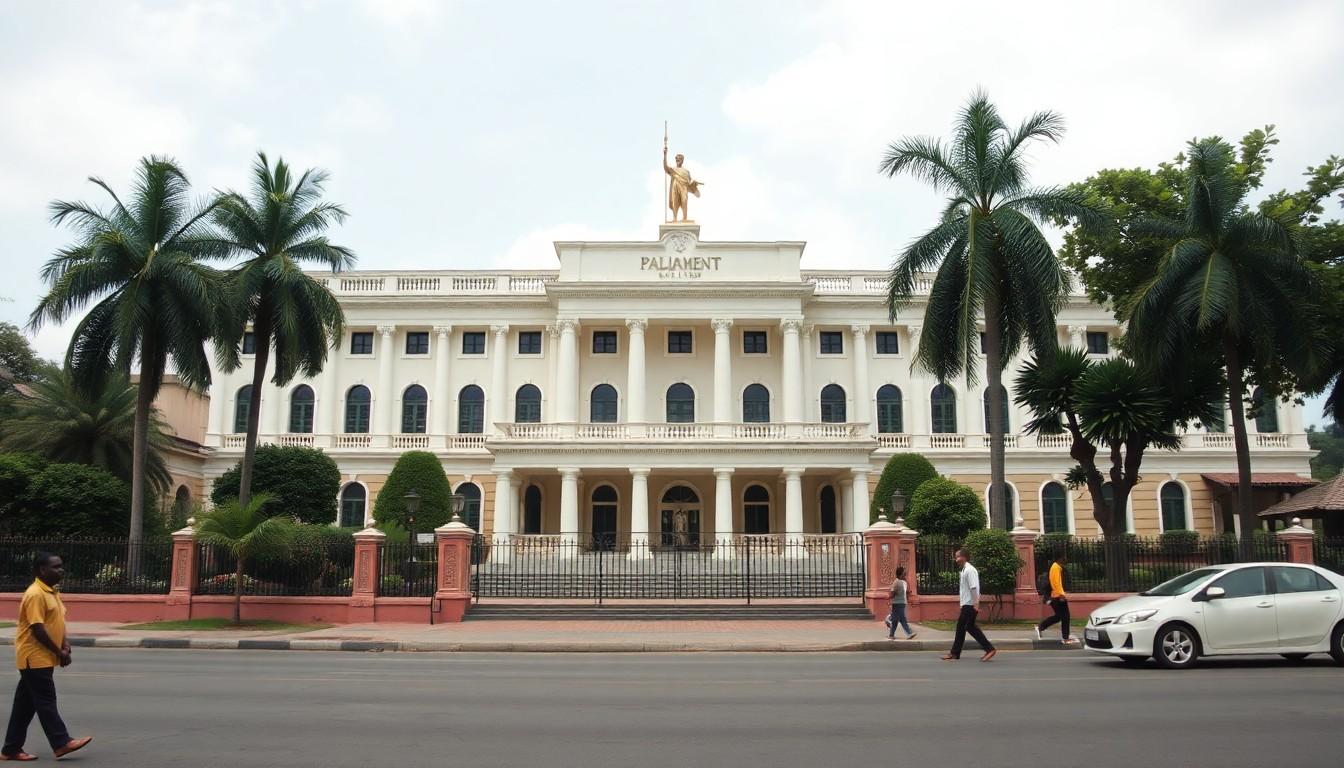
Watch closely: Ghana’s parliament has approved a sweeping Human Sexual Rights and Family Values Bill that criminalises LGBTQI+ people and those who support them, sparking fear, service disruptions and urgent calls for local and international solidarity. Here’s what to know, why it matters, and practical ways communities can respond.
Essential Takeaways
- What it does: Criminalises LGBTQI+ identities and punishes promoters, sponsors or supporters, with prison terms and broad restrictions on association and expression.
- Scope of harm: Reaches beyond private life into healthcare, education and civil society, making simple help-seeking risky and stigmatising.
- Who’s driving it: A coalition of political figures, conservative religious leaders and traditional authorities have framed it as defending family values.
- Immediate effects: Reports of blackmail, evictions, online harassment and reluctance to access services have already risen.
- What helps: Grassroots-led safety networks, legal aid, psychosocial support and international solidarity grounded in local leadership.
What exactly is in the bill , and how sweeping is it?
Parliament approved the Human Sexual Rights and Family Values Bill in late May and it now awaits the president’s signature, but the damage is already unfolding in daily life. Human Rights Watch and others have described the text as one of the most restrictive yet on the continent, criminalising identity, advocacy and even service provision. The wording reaches into association, education, healthcare and expression, so it’s not just relationships that are at risk but the basic ability to access help. For people already marginalised, the sensation is visceral: a legal chill on seeking care or speaking up.
How does this version differ from the 2024 draft?
The new text largely preserves the core restrictions of the 2024 version that never became law after the previous president declined to sign. Observers note it keeps harsh penalties and broad definitions that can be used to penalise allies and organisations, not merely private conduct. That continuity matters because it tells a story about political momentum: the bill was revised but not softened, and its revival reflects shifting alliances and priorities in a tense public conversation. Practically, advocates say small wording changes won’t blunt the real-world consequences of fear and exclusion.
Who’s pushing the law and why now?
The push comes from an array of actors: political figures seeking scapegoats amid economic strains, conservative religious groups and traditional leaders anxious about cultural narratives. Local reporting and advocacy groups explain this coalition has reframed LGBTQI+ rights as an existential threat to “family values”, tapping into social anxieties to win support. The result is a politics of distraction; when unemployment and governance woes dominate, targeting a small minority becomes a convenient rallying point. For voters and allies, recognising that manoeuvre helps separate signal from rhetoric.
What’s already happening on the ground , services, safety and mental health
Community organisations report a spike in blackmail, evictions, family rejection and workplace harassment. Many people are avoiding healthcare and legal help for fear of exposure, and psychosocial crises have increased. One Love Sisters Ghana and similar groups have tightened security, scaled up counselling and documented violations while referring people to trusted services. The immediate practical effect is very human: people stop seeking vaccination, sexual health care or legal protection, which worsens public-health and rights outcomes for everyone.
How are activists responding and what support do they need?
Local activists are resilient and pragmatic, prioritising community care, emergency response and documentation. They’re asking for support that's led by local needs: emergency legal aid, sustained mental-health funding, safe shelters and resources for secure communication. International allies can help most by amplifying local voices, funding grassroots protection strategies and avoiding top-down solutions. In short, solidarity should relieve risk, not compound it, and it should be guided by those doing the work in Ghana.
Why this matters beyond LGBTQI+ communities
This debate is a proxy for wider questions about civil society and democracy. Rights restrictions on one group set precedents that can be used against others; the bill’s wide reach could usher in tighter scrutiny of NGOs, activists and independent media. Human-rights organisations warn that selective rollbacks of freedom erode the social fabric and make it harder for everyone to access justice and care. It's a reminder that defending dignity for one group defends it for all.
It's a small change in wording on paper that can mean a huge change in people’s daily lives; watch how communities adapt and consider how you might support local-led efforts.
Source Reference Map
Story idea inspired by: [1]
Sources by paragraph: