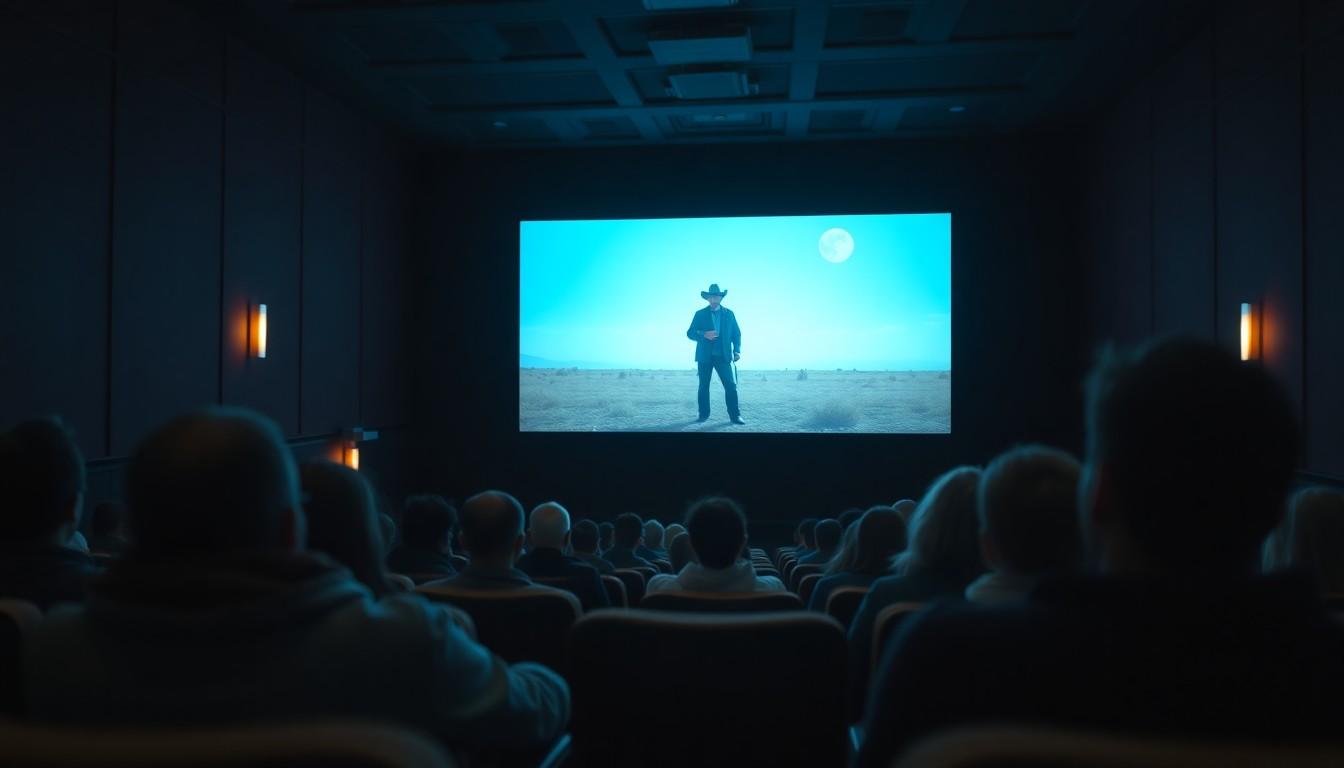
Shoppers are surprised to learn how a cheeky Andy Warhol screening in Atlanta helped ignite a Southern gay liberation movement; the 1969 Lonesome Cowboys raid pushed local people into the streets and helped birth Georgia’s early Pride gatherings, a reminder that LGBTQ+ history isn’t only coastal.
Essential Takeaways
- What happened: Police raided an August 5, 1969, screening of Andy Warhol’s Lonesome Cowboys at Ansley Mall Mini-Cinema, arresting and photographing attendees on charges like lewdness. They felt intimidated but resilient.
- Immediate impact: The raid galvanised local activists, including Abby Drue and Bill Smith, who helped form the Georgia Gay Liberation Front and organised Atlanta’s first Pride marches in 1971 and 1972.
- Why it matters: Historians call the raid “the Stonewall of the South” because it sparked regional organising and migration of queer people into Atlanta’s safer urban spaces.
- Cultural note: The film itself left more laughs than inspiration , attendees remember the movie as lacklustre; the raid is what endured.
- Legacy: The original cinema site is now an optometry practice with no plaque, underscoring how many queer histories remain unmarked in public space.
A sandwich, a mediocre movie and a moment that wouldn’t be forgotten
The image of activist Abby Drue clutching a ham-and-cheese submarine when the lights came up is as vivid as any photograph from that night, and it captures how mundane life collided with state power. According to reporting in The Advocate, police entered through fire exits, ordered everyone to stop, photographed and arrested many patrons on vague morality charges. The raid wasn’t intended as a grand tableau of repression , it felt bureaucratic and cruel , but its effect was combustible.
Context matters here. Georgia in 1969 had relatively few pockets where queer people could gather, and a film screening at a small mall cinema was as much a social lifeline as entertainment. The humiliation of being frisked and shoved into vans created anger and solidarity rather than submission. That visceral reaction is what turned an ordinary August night into a turning point for local organising.
From raid to resistance: how organisers turned anger into a movement
Within weeks and months the anger sparked organising. Abby Drue linked up with other local activists, including Bill Smith, and helped build the Georgia Gay Liberation Front. The group channelled the outrage into concrete action: public marches, protest planning, and efforts to make queer life visible in a city that had previously offered only tentative safety.
Local coverage and later oral histories show the group’s early tactics were practical and bold , when Atlanta denied permits, protesters marched along downtown sidewalks in 1971, then held an official procession in 1972. Those first actions were small-scale compared with modern Pride festivals, but they were strategic: put bodies on the street, insist on recognition, and build organisations that could support people moving into the city from smaller towns.
Why “the Stonewall of the South” matters , and why it’s been overlooked
Museum and academic accounts often point to Stonewall in New York as the decisive flashpoint in U.S. queer history. But scholars cited by the Georgia Encyclopedia and other local sources argue the Southern experience ran on its own timetable. News travelled slowly in 1969; Stonewall’s significance wasn’t instantly nationalised. Atlanta’s queer community had its own grievances and its own organising logic, and the Lonesome Cowboys raid became a catalytic local event.
That relative obscurity has consequences. Where Stonewall has plaques, a National Monument and endless scholarship, the Ansley Mall Mini-Cinema site now houses an optician’s shop with no marker. The erasure speaks to how public memory privileges certain geographies and narratives, even when other cities made meaningful contributions to the movement.
Migration, community-building and a growing Pride
Historians note Atlanta became a regional magnet for queer people from smaller Southern towns, helping create a dense, visible queer community. Martin Padgett and other archivists point out that this internal migration fed the infrastructure of nightlife, advocacy, and mutual aid that made larger-scale events possible decades later.
Practical fallout is clear: by the time modern Pride festivals drew hundreds of thousands, Atlanta already had a living network rooted in those early, often dusty confrontations with police. The city’s contemporary Pride , with six-figure attendance in recent years , is partly the long shadow of that 1969 night and the organisers who refused to be cowed.
Remembering what’s unmarked: why local history still matters
There’s an understandable hunger to pin down origins and iconic moments, but the Lonesome Cowboys raid is a reminder that movements are braided from dozens of local fights. Archives, community exhibits and university collections have begun filling gaps, and oral testimony from people like Abby Drue keeps the story alive. But the lack of a public plaque at the former cinema is a small, symbolic wound: we honour some sites and not others, and that shapes what people remember.
If you visit Atlanta today you’ll find a thriving Pride culture and a community that traces its roots to nights just like that one , messy, hungry, funny, furious. The movie may have been poor, but the result was powerful.
It's a small change in how we look at history that helps honour more of the people who fought to make Pride possible.
Source Reference Map
Story idea inspired by: [1]
Sources by paragraph: