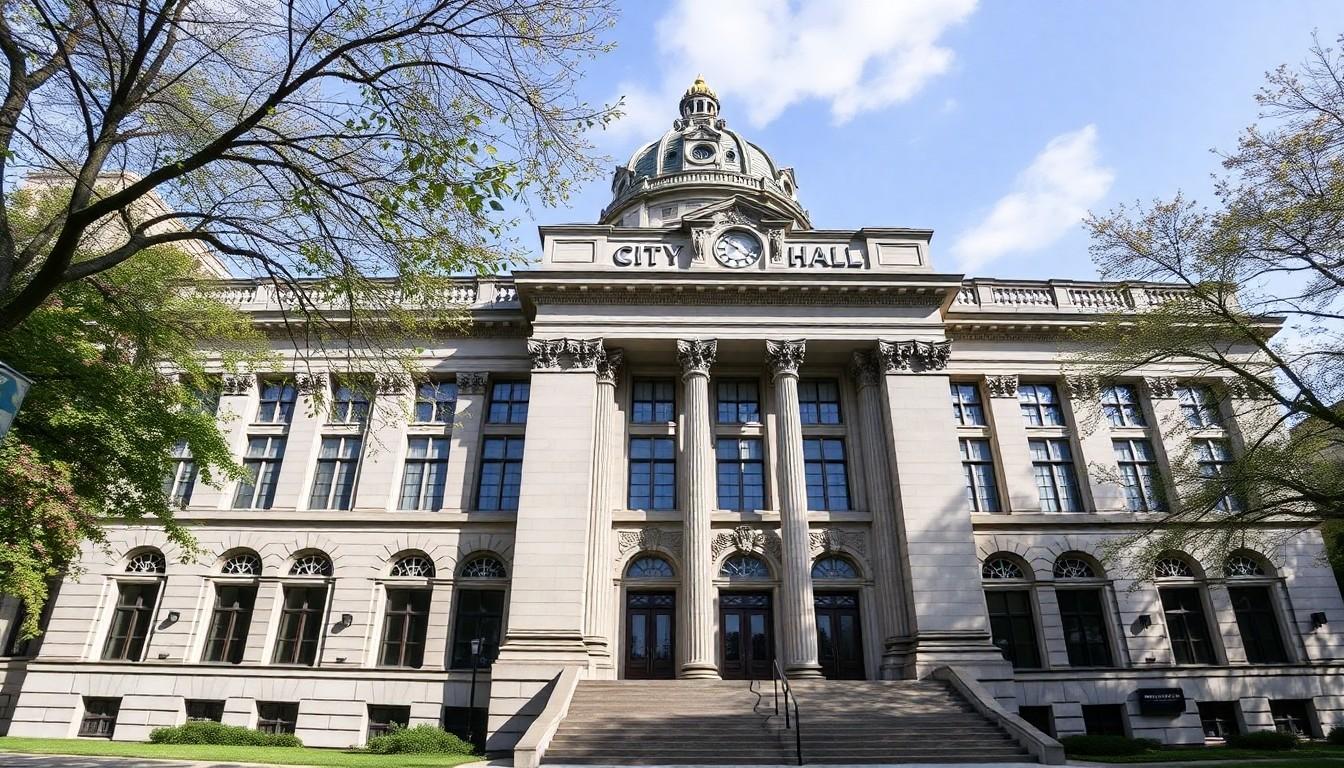
Watchers of city politics are cheering and questioning alike as Minneapolis this week lifted a 38‑year prohibition on adult bathhouses and sex venues, a move backed by the mayor and LGBTQ+ advocates that creates a new licensing, zoning and public‑health framework for consensual adult spaces.
Essential Takeaways
- Historic change: Minneapolis repealed a 1988 ban that outlawed commercial spaces permitting "high‑risk sexual conduct," replacing it with licensing and zoning rules.
- Public‑health framing: City leaders say the new rules focus on safer, regulated environments rather than prohibition.
- Community voice: LGBTQ+ advocates and several councilmembers described these venues as refuges with important cultural history.
- Mixed reaction: Supporters call the ban discriminatory; some councillors and residents worry about priorities amid other city challenges.
- Practical shift: Repeal opens the door to businesses operating legally under health standards, inspections and location limits.
Why the ban mattered , and why it’s finally changing
This ban has been a city fixture since 1988, born in the darkest days of the AIDS crisis when fear and public‑health urgency drove a crackdown on venues linked to transmission. Back then, even gay men who feared for their community sometimes supported restrictions as a way to protect lives. The repeal marks a symbolic and practical turning point , replacing criminal prohibition with regulation that aims to keep people safer while recognising sexual venues’ place in queer life.
According to reporting by national outlets, advocates have spent years pushing to undo a law they call rooted in stigma and now outdated. The city’s new ordinance frames venues as businesses subject to licensing, zoning and health standards, rather than places to be driven underground.
What the new rules actually do
Instead of an outright ban, the city now has a blueprint for how such establishments may operate. The ordinance sets out licensing requirements, updates zoning maps so venues have defined areas where they can open, and revises health rules to make inspections and safety standards possible. That matters: regulation allows for cleanliness checks, safer‑sex resources, and oversight that can reduce harms rather than criminalise them.
If you’re following this as a neighbour or prospective operator, expect clear guidelines on where a venue can locate, what safety infrastructure is required, and how licensing will be handled by city departments.
Voices on both sides , community, politics and priorities
Supporters framed the change as overdue justice. Councillors and LGBTQ+ leaders described bathhouses as refuges that were once picketed and policed, and argued repeal removes a remnant of legalised homophobia. The mayor celebrated signing the package during Pride events, underlining the administration’s public support.
Yet not everyone agreed. Some councillors flagged timing and budget worries, saying the city has pressing service gaps and other crises to prioritise. That split reflects a broader conversation: is reforming legacy laws about dignity and public health, or an avoidable distraction when municipal resources are stretched?
Bigger picture: public health, history and urban politics
This move in Minneapolis is part of a wider rethink in several cities about how to manage adult spaces , from harm reduction to civil rights. Public health advocates now tend to prefer regulation and outreach rather than prohibition, and proponents argue that legal venues make it easier to distribute information, condoms and testing.
At the same time, the repeal is entangled with Minneapolis’s recent high‑profile politics; the city has been in headlines for policing, immigration enforcement and municipal challenges. That context ensures this isn’t just a niche zoning update , it’s part of an ongoing civic story about who shapes urban life and how policy corrects past harms.
How this affects residents and what to expect next
For residents, the change will feel gradual. Existing businesses won’t spring up overnight; operators will need to meet licensing and zoning tests, and neighbours will see public hearings and detailed plans. For people who use these venues, the hope is clearer safety standards and less fear of raids or closure.
If you’re curious or concerned, watch for public‑notice postings about licensing hearings, plan to attend council meetings if a venue is proposed near you, and look to local health services for updated outreach that these new rules may enable.
It's a small legal shift with outsized symbolic weight , and it will be telling to see how regulation, safety and community needs balance in the months ahead.
Source Reference Map
Story idea inspired by: [1]
Sources by paragraph: