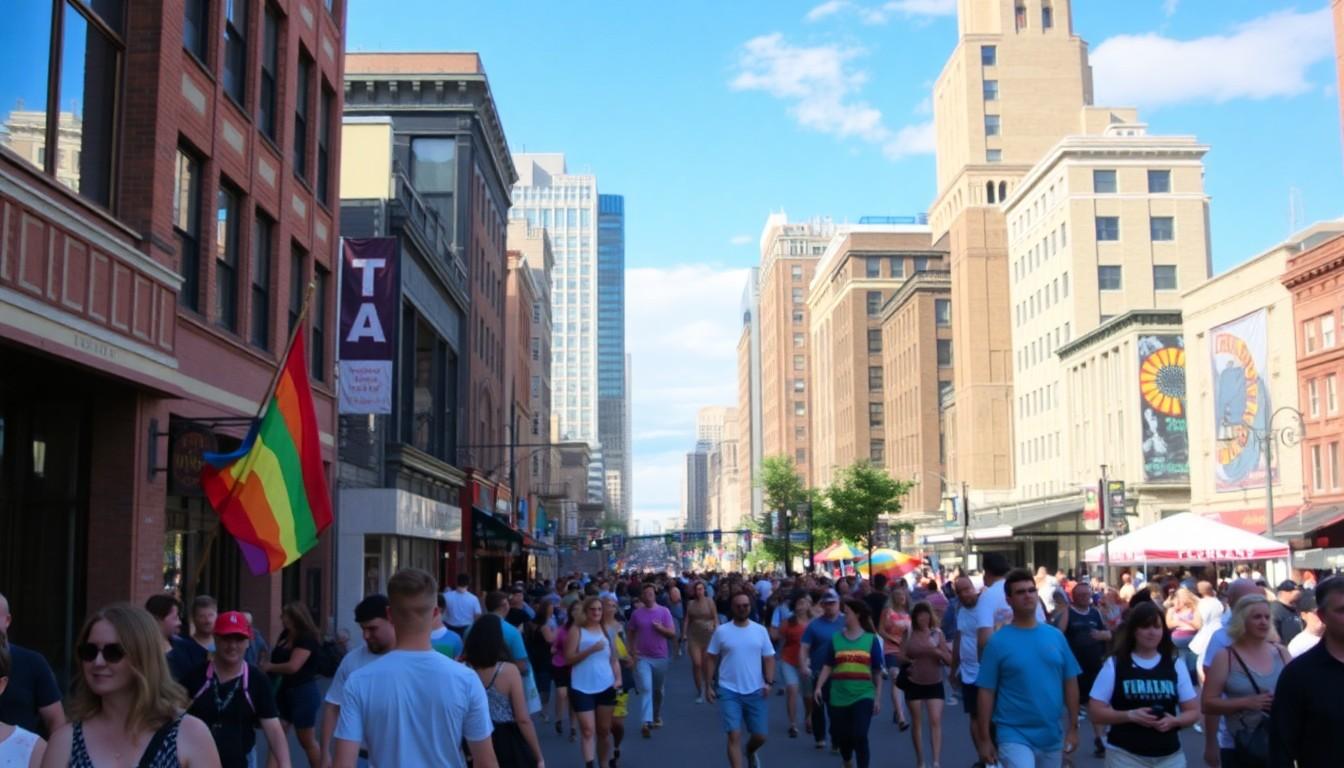
Shoppers and revelers flooded downtown on Sunday as Denver PrideFest packed 16th Street from Arapahoe to Broadway, drawing an estimated 500,000 people and turning the newly refreshed promenade into the city’s largest one-day Pride celebration , louder, glitzier and more urban than ever.
Essential Takeaways
- Huge turnout: Organisers estimate about 500,000 attendees, transforming 16th Street into a continuous parade of colour and sound.
- New setting, new vibe: Moving from Civic Center Park to 16th Street created a more urban, activated festival with shops, alleys and plazas joining the party.
- Safety and access: No fenced perimeter meant easy access, though roving security and bag checks kept things managed and feel safer.
- Local culture on display: The Gayborhood Market showcased handmade goods and local artists; food vendors and performances kept the street humming.
- Community impact: Proceeds support The Center on Colfax, funding counselling, trans and youth programmes and other vital services.
16th Street felt different , and in a good way
If you weren’t expecting the festival to feel gritty and metropolitan, you were in for a surprise. The absence of Civic Center’s shady lawns left room for sunlight, sequins and a louder soundtrack bouncing off glass storefronts. Vendors threaded themselves into alcoves and alleyways, creating little discovery moments , a puppet booth here, a queer zine stall there , and the whole street pulsed with a festival energy that felt immediate and uncurated. Organisers and attendees both noted the change in atmosphere; it was less picnic, more city takeover.
Half a million people turned up , logistics to match
Denver PrideFest’s estimate of roughly 500,000 visitors made the single-day, downtown layout feel monumental. With no fenced boundary, crowds flowed freely between the Denver Pavilions, adjacent businesses and the main stage areas, which meant event planners had to shift their usual footprint. According to transit notices and event organisers, RTD detoured some routes and beefed up service, and volunteers and security were positioned to guide foot traffic and perform bag checks. If you plan to go next year, give yourself extra time for transport and expect busy sidewalks.
Local artists and small businesses got centre stage
The Gayborhood Market felt like the festival’s heart: handmade goods, small-batch jewellery, bright prints and several stalls selling the kind of tactile, joyful pieces that scream “Pride.” It wasn’t just about headliners; community vendors and buskers filled gaps between big acts, which meant you could snag a local artist’s postcard then catch a set from a rising performer. That grassroots presence underlines why The Center’s local-first approach matters , money spent here cycles back into the community.
Headliners and performances , a real diversity of acts
Nini Coco, Pattie Gonia and King Molasses were billed as headline draws, but the lineup stretched beyond big names to include DJs, drag performers, spoken-word artists and community groups. The sound across the thoroughfare varied from pop bangers to stripped-back sets near quieter alcoves, so you could either dance in the main thoroughfare or find a calmer corner for conversation. That variety reflects a wider trend: Pride events aiming to be both celebratory and inclusive, offering something for every kind of attendee.
Why the move matters for Pride’s future in Denver
Civic Center Park has been synonymous with Denver PrideFest for years, but construction forced organisers to adapt, and the result may reshape future planning. The downtown takeover showed the festival can scale and integrate with urban life, bringing businesses into the fold while maintaining security and accessibility. The Center on Colfax, which runs PrideFest, uses proceeds to fund essential services like free mental-health counselling and trans support groups, so the festival’s footprint isn’t just symbolic , it funds tangible community resources.
It's a small change that could make every Pride feel more connected to the city’s everyday life.
Source Reference Map
Story idea inspired by: [1]
Sources by paragraph: