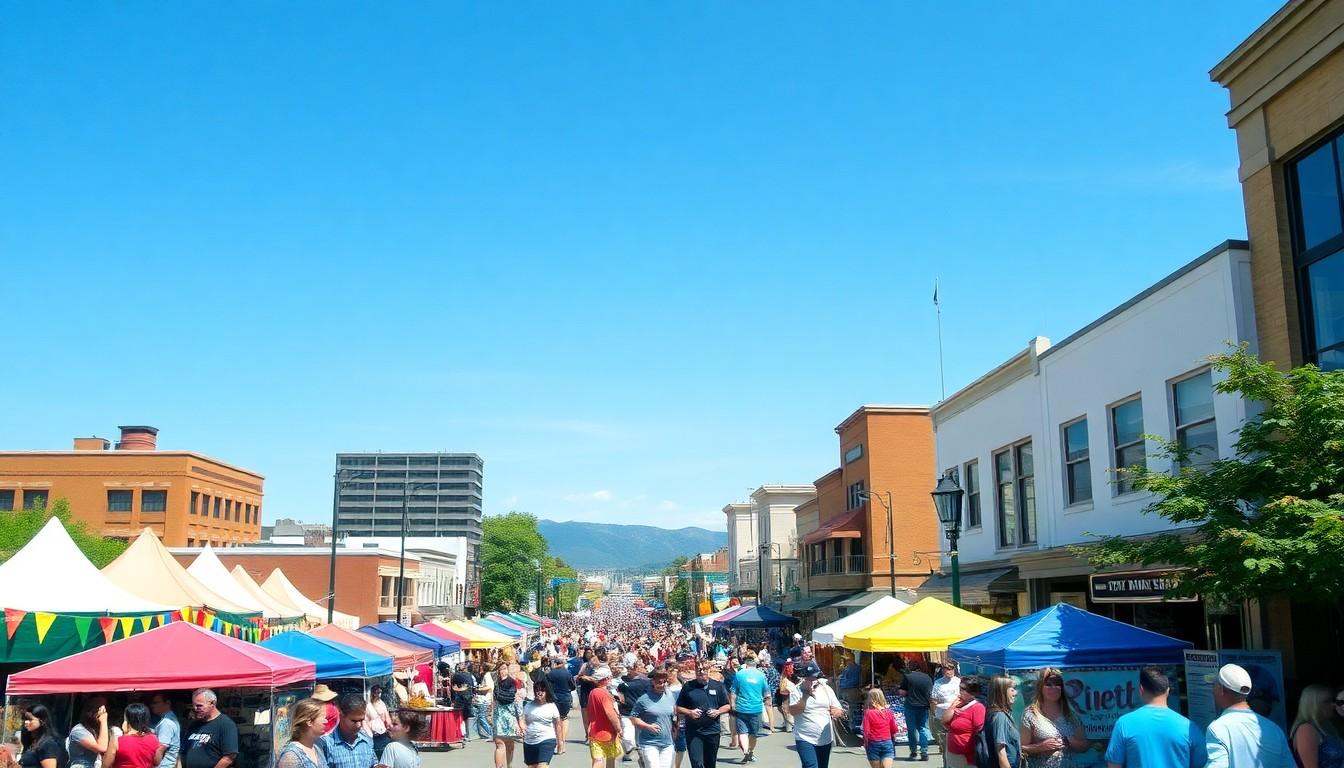
Shoppers and families alike turned out in droves for Denver's annual Pride parade, where colourful floats, glittering headdresses and loud cheers filled 17th Avenue , a vivid reminder of how far the movement has come and why public celebration still matters.
Essential Takeaways
- Mass turnout: Hundreds of thousands lined 17th Avenue to watch a 14-block procession of community groups, businesses and performers, creating a lively, celebratory atmosphere.
- Historic roots: Denver’s Pride traces back to the 1970s and joins a broader tradition begun after the Stonewall Uprising, linking today’s joy to past activism.
- Family-friendly vibes: Parents and children attended together, with playful touches like painted dogs and capes, making the event inclusive and warm.
- Visible activism: Protest blocs and chants marched alongside floats, reminding spectators Pride is both party and protest.
- Venue change: This year’s PrideFest moved from Civic Center Park to 16th Street due to construction, altering the familiar layout but not the spirit.
A colourful parade that felt like a neighbourhood block party
The parade kicked off at 17th Avenue and Franklin Street and unfolded for 14 energetic blocks, with onlookers cheering, waving flags and snapping photos. According to local coverage, floats ranged from drag spectacles to civic groups, and performers handed out beads and pins, lending a tactile, festive feel to the route. For many it felt intimate and exuberant at once, the sort of communal joy you can practically taste in the hot, late‑June air.
Pride’s history makes this more than a party
Denver’s modern Pride traces its lineage to small gatherings in the 1970s, when a handful of people met in Cheesman Park and the city hosted its first Gay Pride Week in 1974. Nationally, Pride grew out of the Stonewall Uprising in 1969, a watershed moment for LGBTQ rights, and today's parade sits squarely in that historical arc. Remembering that past gives the colour and sequins weight; it's celebration and remembrance stitched together.
Families, allies and playful touches everywhere
People of all ages attended , parents teaching inclusion, teenagers wearing bisexual flags like capes, and dog owners painting pooches in rainbow hues. Coverage noted the day felt especially welcoming, with families using Pride as a teachable, celebratory outing. If you’re thinking of bringing kids next year, pack water, a folding chair and sunscreen , and expect smiling strangers and plenty of music.
Party and protest marched side by side
Not everything was confetti and choreography; protest blocs and chants wound through the crowd, underscoring ongoing fights for rights and recognition. Organisers and attendees balanced celebration with direct action, a reminder that public visibility is still a powerful form of advocacy. For supporters, that means showing up visibly and loudly, not just in solidarity but in leadership where needed.
The logistics: what changed and what stayed the same
This year Denver PrideFest moved from Civic Center Park to 16th Street because of construction, shifting stages and flow but keeping the core elements , performers, booths and a mainstage presence. For future visitors, check route maps and transit notices early, because the city’s footprint can shift and that affects where you’ll grab food, find shade or meet friends. Still, the parade atmosphere , loud, proud and glittery , remained unchanged.
It’s a small change in city planning that doesn’t dim the big celebration of identity and community.
Source Reference Map
Story idea inspired by: [1]
Sources by paragraph: