Shoppers are turning to headlines: LGBT visibility in China is being quietly squeezed, and it matters for people at home and abroad. Human Rights Watch and others say recent social media suspensions, cancelled film screenings and blocked Pride events show a steady roll-back of space for queer life.
- What’s happening: Social media accounts, films and Pride-related events in China faced suspensions or cancellations during June, reducing public visibility for LGBT people.
- Targets include: WeChat and other platforms suspended LGBT channels; cultural centres and foreign institutes cancelled or had screenings interrupted, creating a chilly, surveilled atmosphere.
- Emotional tone: Communities report growing fear and frustration, with events curtailed quietly rather than by a single, high-profile ban.
- Practical impact: Fewer public spaces mean organisers must rely on small, private networks and international pressure to sustain services like violence support and community outreach.
- Look ahead: Advocacy and diplomatic pushes can make a difference, but activists say sustained attention is needed to protect basic rights and prevent further erosion.
Opening hook: Censorship that feels like a tightening throat
If you follow social media in China, the shift is tangible , accounts that used to share community news and safety resources are going quiet, and there’s a low-level anxiety in the way events are planned. Human Rights Watch documented a string of suspensions and cancellations in June that make LGBT life less visible, not through one dramatic decree but through a pattern of restrictions that adds up.
Backstory: this isn’t new overnight. According to Human Rights Watch, a combination of administrative rules and a political climate that disfavors grassroots organising has made it harder for queer communities to stay public. The result feels personal: pages you relied on for support vanish, and planned gatherings no longer happen.
Practical note: if you’re part of a community in China, expect to pivot to smaller, encrypted channels and to vet events carefully. If you’re abroad, notice that diplomatic and cultural ties are now a flashpoint , foreign institutes’ events have been among those affected.
How social platforms became a frontline
WeChat and other popular platforms are central to queer organising, and when public channels are suspended the ripple effects are immediate. Human Rights Watch reported multiple public channels removed in May and June after they covered legal petitions or provided resources for survivors of gender-based violence.
Context matters: these moves follow earlier legislative and administrative changes that limit NGOs and any organisation seen as having foreign links. Platforms act fast when content is flagged or when authorities show interest, so organisers feel the pressure even without explicit legal notices.
A quick how-to: for groups trying to stay visible, diversify where you host content. Keep back-ups off mainstream platforms, use encryption for sensitive conversations, and document censorship incidents in case international attention can help.
Pride, films and cultural diplomacy: why police showed up at screenings
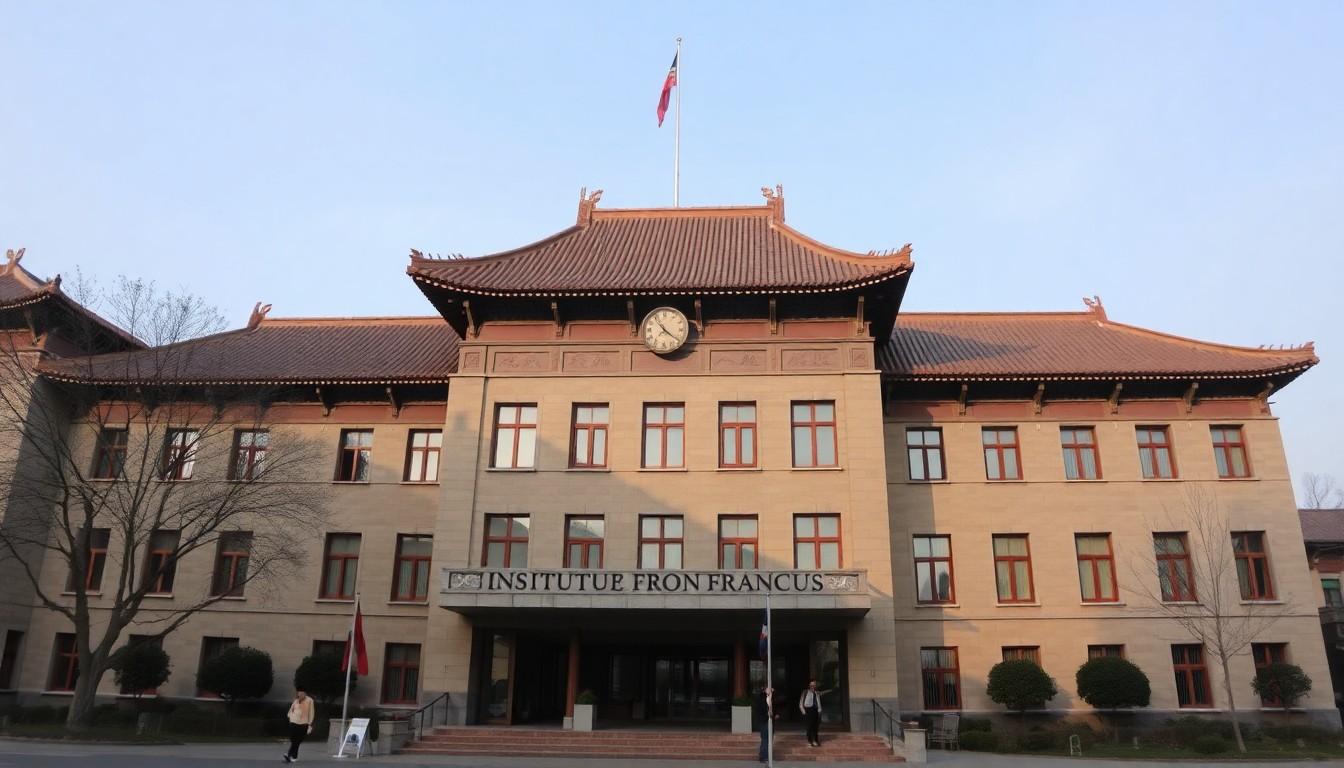
June’s disruptions reached beyond Chinese-run spaces , Human Rights Watch noted that screenings and Pride-related events linked to foreign embassies and cultural institutes were curtailed. The French Institute in Beijing reportedly halted LGBT-themed film screenings after police visited, and other cultural centres’ events were checked or stopped.
Why it matters: when cultural diplomacy is targeted, it sends a message that even international connections won’t shield community life. Authorities’ apparent concern about “foreign influence” makes collaborations riskier and discourages local partners from participating.
Advice for cultural organisers: expect scrutiny and prepare contingency plans. Consider hosting private screenings, keeping guest lists small, and liaising with legal advisers or diplomatic contacts ahead of time.
The legal and historical backdrop: slow gains, then a squeeze
China decriminalised homosexuality in 1997 and removed it from its list of mental disorders in 2001, yet same-sex relationships still have no legal recognition and anti-discrimination protections are limited. Human Rights Watch traces a longer arc of shrinking civic space, noting laws on charities and foreign NGOs that narrowed operating room for groups since the mid-2010s.
That history helps explain why the current trend isn’t a surprise: institutions that used to support community work have been weakened, and the internet , once a refuge , is now policed more tightly. Activists describe a steady erosion, not a single turning point.
Practical takeaway: legal reform remains the missing piece. For international advocates, pushing for concrete protections and public statements matters more now than ever.
What advocates and governments are doing , and what could help next
Human Rights Watch is urging the Chinese government to end censorship and for concerned governments, especially in Europe, to press Beijing on protecting LGBT rights. Diplomatic pressure has had some short-term effects in the past, but activists warn that intermittent attention won’t stop a long-term decline in space for queer life.
What works: public documentation of incidents, combined with quiet diplomacy and support for local services, can make life easier for those on the ground. Funding for remote mental-health support, encrypted communication tools, and legal aid also helps keep services running when public events can’t.
A human note: for people inside China, the shift is often about safety and dignity more than headlines. Communities adapt in creative ways, but they need consistent international solidarity to keep options open.
It's a small change that can make every public gathering safer and more sustainable.
Source Reference Map
Story idea inspired by: [1]
Sources by paragraph: