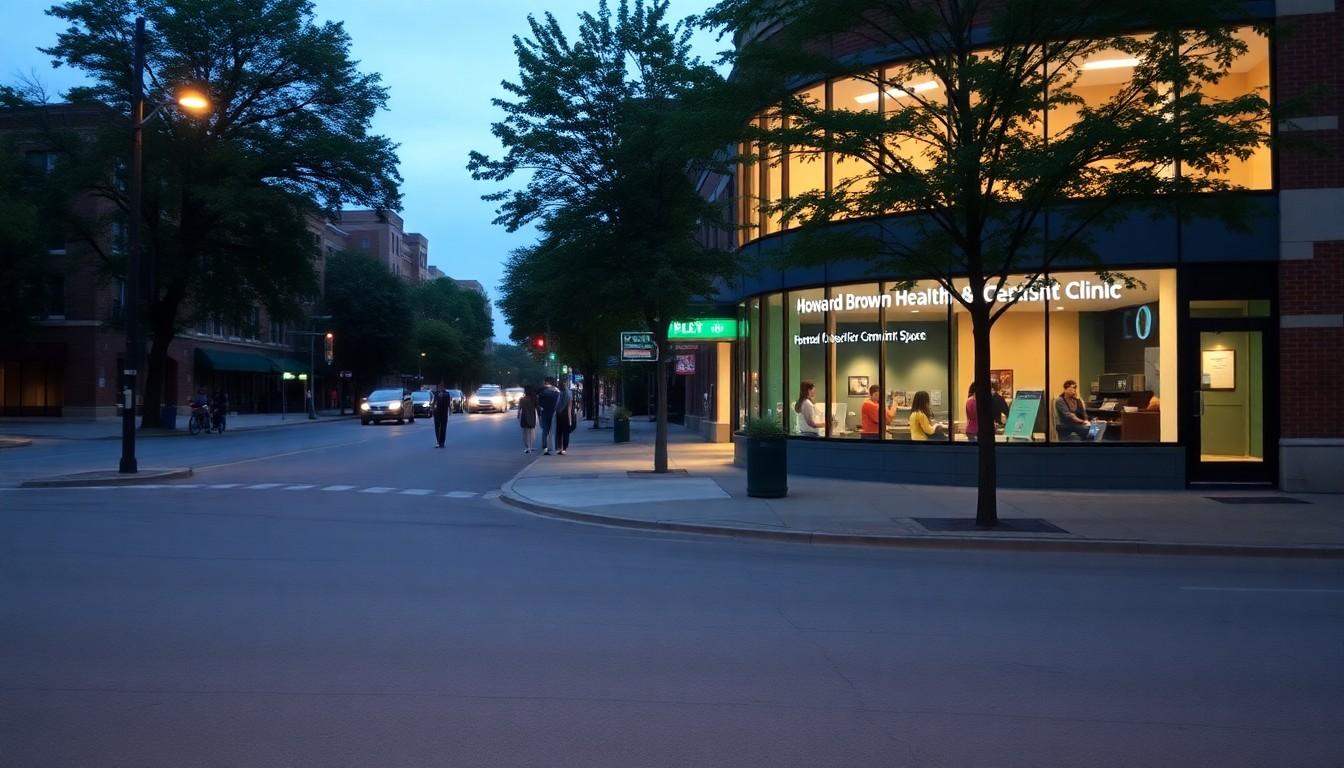
Shoppers and partygoers return to quieter streets after Pride, but many Chicago LGBTQ+ residents notice a hollow after the confetti settles. This piece explains why the post‑Pride letdown happens, who it affects, and practical ways to reconnect with community, routine and mental health resources across the city.
Essential Takeaways
- Peak burnout: Chicago’s Pride is a multi‑week marathon of events, so the emotional crash can feel intense and physical.
- Authenticity exhaustion: Being fully yourself at Pride is energising but also draining; the return to code‑switching can hit hard.
- Practical steps: Simple rituals , a buffer day, a walk on the Lakefront, or a coffee with a new friend , help reset the nervous system.
- When to seek help: If low mood lasts more than a couple of weeks, or you’re using substances to cope, consider LGBTQ+‑affirming mental health care.
- Community options: Local centres, sports leagues and year‑round programmes offer smaller, sustainable ways to stay connected.
Why Chicago’s Pride Feels Bigger , and the Drop Feels Sharper
Chicago’s Pride isn’t just one parade; it’s a string of events across neighbourhoods that brings a concentrated burst of queer life, colour and noise. That intensity rewires your expectations for social and emotional fulfilment, and it’s no wonder the quiet afterwards feels stark and achy. The crowds, the music and the sudden permission to be visible create an adrenaline high; when it ends, your nervous system needs time to settle, not unlike coming down after a loud concert.
The city’s geography matters too. Boystown’s year‑round visibility and neighbourhood hubs make Pride feel like a community takeover, then it’s suddenly over , especially if you live outside those pockets. Add in the corporate banners and the occasional bad behaviour from non‑queer visitors, and the weekend can feel less like communal reclamation and more like a complicated commercial circus. That contrast fuels disappointment as much as the loss of the party.
The Emotional Mechanics: Anticipation, Authenticity and Contrast
Expectations play a big role. You may have imagined Pride as a moment of full belonging, a cinematic scene of meeting friends or a partner, and when reality is messy , crowded, cliquey, or lonely , the gap between hope and experience stings. There’s also what therapists call authenticity exhaustion: staying “on” in a way that’s rare the rest of the year takes energy, and shedding that freedom afterwards can feel like putting on heavy armour again.
Comparisons amplify it. After being surrounded by thousands of queer people, ordinary weekdays can seem flat. That sudden contrast can revive long‑standing feelings of isolation or underline how little queer community you actually have outside of Pride season. If those lows stick around, they’re worth paying attention to rather than dismissing as a normal post‑party slump.
Small, Concrete Ways to Reconnect , No Parade Required
You don’t need to recreate the whole weekend to feel better. Start with a buffer day: sleep in, take a walk on the Lakefront Trail, meal‑prep, or do a low‑stakes chore that gives a sense of accomplishment. Small routines help settle your nervous system and bring back control.
Keep the social thread alive without the spectacle. Join a queer sports league, pop into a drop‑in event at an LGBTQ+ community centre, or schedule one‑on‑one coffee dates with folks you met over Pride. These low‑intensity connections build continuity instead of relying on a single burst of social energy. And if nightlife left you drained, consider quieter rituals , queer film nights, book groups, or volunteering , that still nourish identity and friendship.
When to Reach Out: Signs to See a Therapist or Support Service
If the slump lasts more than a couple of weeks, or if you felt disconnected during Pride itself, that’s a clear sign to get help. Watch for patterns: repeated post‑Pride crashes year after year, increased substance use to cope, or difficulty getting out of bed. Those aren’t personal failings , they’re signals that deeper work could help.
Chicago has LGBTQ+‑affirming mental health resources that specialise in these experiences. According to local health providers, queer‑informed therapists can parse the unique mix of minority stress, seasonal celebration and identity work that Pride often brings into focus. Reaching out earlier rather than later usually gives better outcomes.
Building Year‑Round Queer Joy: Small Rituals, Big Impact
The long game here is obvious: don’t put all your exuberance in one weekend. Make queer affirmation a regular thing. That might mean finding a therapist who understands your identity, frequenting queer businesses beyond June, or creating your own monthly rituals with friends. Engaging with LGBTQ+ art, theatre, and community projects throughout the year makes Pride feel like a highlight, not the only source of validation.
It’s also okay to critique Pride while still loving it. Questioning the commercial or exclusionary sides of the festivities can be a step toward shaping more meaningful, inclusive celebrations and personal practices that serve you better all year round.
It's a small change that can make every day feel more like Pride.
Source Reference Map
Story idea inspired by: [1]
Sources by paragraph: