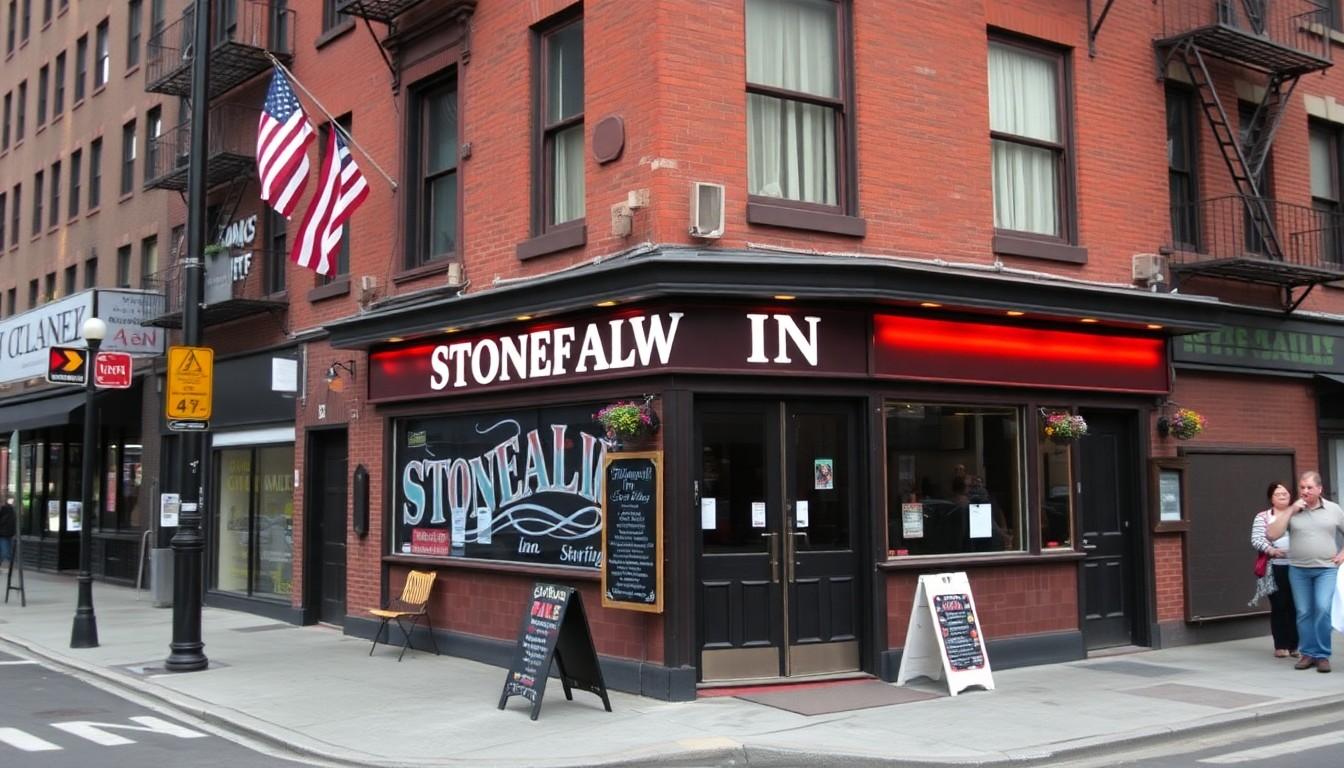
Shoppers are turning to history books and streaming queues as Pride approaches; Stonewall Uprising, a clear-eyed documentary, reminds viewers who fought, how it happened, and why the moment still matters for LGBTQ+ rights and visible community memory.
Essential Takeaways
- Historic snapshot: Stonewall Uprising combines archival footage and first‑hand interviews to recreate the June 1969 raid and the nights of resistance, giving a gritty, human feel.
- Systemic cruelty: The film links police harassment to wider abuses, forced institutionalisation, shock therapy and lobotomies, that queer people faced then.
- Often‑missing voices: Women and lesbians, including Stormé DeLarverie, play central but sometimes overlooked roles in the story; the documentary helps restore that balance.
- How to watch: The film is freely available on the Internet Archive, rentable on Prime, and offered through library services like Kanopy.
- Emotional texture: Expect raw memories, a community’s anger and humour, and the sense that a small spark ignited broader social change.
Why this documentary still hits hard , the sensory truth of resistance
The film opens in black and white, and you immediately feel the city’s grime and the bar’s cramped heat, the kind of detail that makes history tactile. Interviews cut through like voices from a crowd; they’re personal, sometimes wry, often furious. According to PBS and other documentary sources, the filmmakers weave those testimonies with archival clips to show not just an event but the lived pressure that led to it. If you watch one film this Pride, this is the type that makes you understand why people risked everything that week in Greenwich Village.
The legal and medical machinery that fed the revolt
It wasn’t only police raids that oppressed queer people; the system extended into mental health institutions, the courts and religious judgement. The documentary tracks how laws criminalised homosexual acts and how medical “cures”, from electroshock to lobotomies, were used to police identity. PBS’s American Experience and contemporary reporting outline how that legal and medical apparatus created a constant, humiliating threat. That context is the reason the uprising felt like a necessary rupture rather than an isolated street fight.
Stormé DeLarverie and the women who’ve been left out
Many retellings of Stonewall underplay women’s roles, but the film, and historians, push back on that gap. Stormé DeLarverie emerges as a magnetically alive figure: a protector, a bouncer and, to some witnesses, the person who physically resisted an arrest that helped spark the chaos. Sources like the National Park Service and oral histories cited by PBS show that lesbian and trans women were targeted in ways men often escaped, which helps explain their fierce presence in the rebellion. Restoring those voices alters not only the cast list but the meaning of how the movement formed.
What Stonewall changed , then and now
Stonewall didn’t instantly fix anything, but it altered public consciousness and catalysed organising. Time and the Library of Congress explain how the riots led to the first Pride marches and a new willingness to demand civil rights. The film traces that arc without romanticising it: progress came slowly, painfully, and through more fights to come. Watching it feels relevant now, when debate about rights and visibility still surfaces globally, history isn’t a closed book; it’s a tool for the present.
How to watch and why the format matters
You can stream the documentary cheaply on Prime, borrow it via Kanopy using a library card, or watch for free on the Internet Archive. The availability matters because these are stories best seen with minimal barriers; the mix of archival footage and interviews rewards a screen big enough to catch facial expressions and the crowd noise. If you’re introducing someone to Pride history, pair the film with short reads from PBS or a New York Times retrospective to give legal and cultural context, your viewing becomes a compact lesson in where we were and what to guard against.
It's a small change to keep these stories in rotation, but it makes every Pride richer to know who stood there first.
Source Reference Map
Story idea inspired by: [1]
Sources by paragraph: