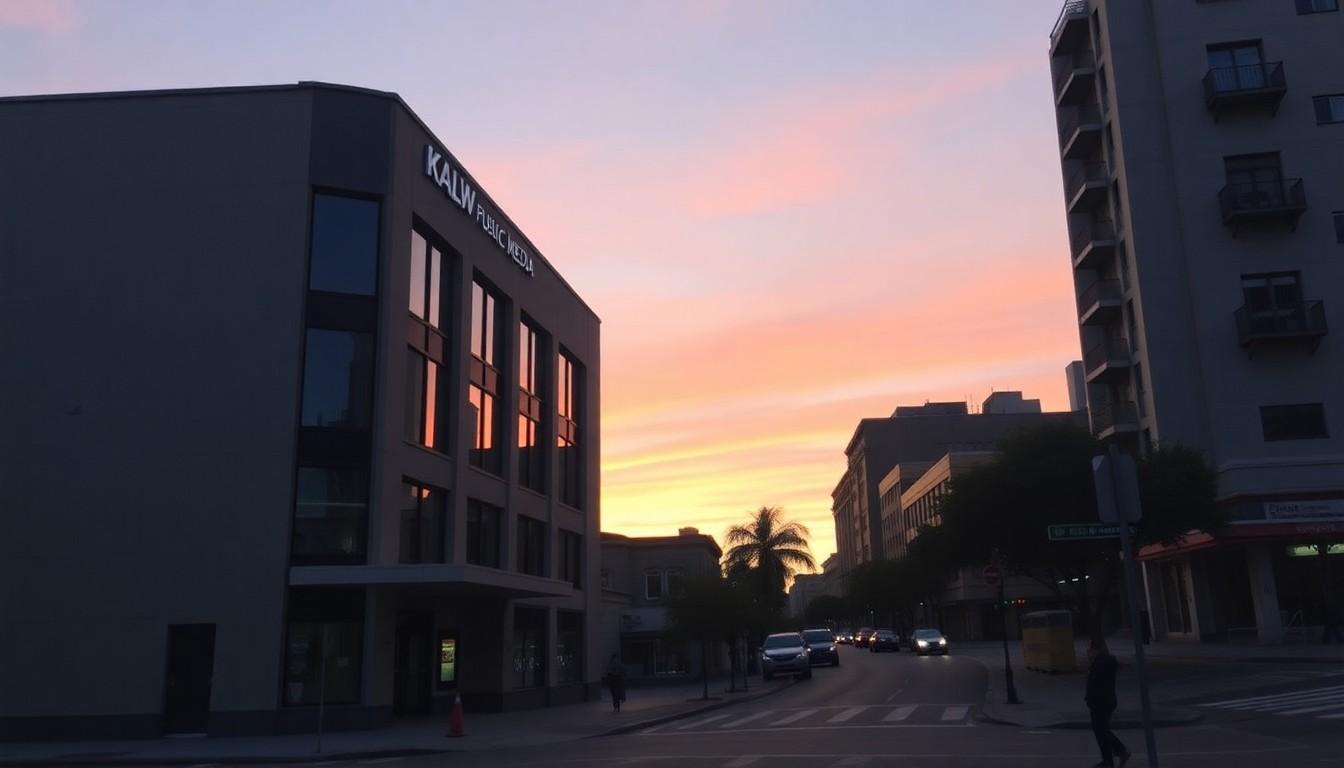
Shoppers are tuning their dials back to a vital piece of Bay Area history as KALW re-airs Randy Alfred’s landmark program, Revisiting The Gay Life, bringing archive radio moments from the 1970s and 1980s to listeners during Pride 2026. It’s a compact, weekly 12-episode run that restores vivid audio of politics, community and early HIV-era reporting.
Essential Takeaways
- What it is: A 12-episode rebroadcast of The Gay Life, the KSAN programme Randy Alfred hosted in the late 1970s and early 1980s.
- When to listen: Episodes air Thursdays at 6pm from mid-June through 10 September and are archived online at KALW.
- Why it matters: The series captures early coverage of Harvey Milk-era politics and reporting from the agonising early days of HIV/AIDS, offering raw, living-history audio.
- Tone and feel: Expect warm, analogue radio textures, immediate interviews and on-the-ground reporting that sounds intimate and sometimes urgent.
- Access: Episodes are available live on KALW and kept in the station archive for later listening.
Why this rebroadcast feels timely and necessary
Hearing voices recorded in the analogue era is like opening a time capsule; the tape hiss and host asides make history feel present and tactile. KALW’s collaboration with Randy Alfred and the GLBT Historical Society brings those original KSAN broadcasts back into circulation at a moment when Pride programming often looks to connect the past and present. For anyone curious about how queer community journalism sounded before podcasts and social media, this is essential listening.
Context matters here. The Gay Life originally ran on a commercial rock station at a time when gay voices were rarely given mainstream airtime, and Alfred was juggling roles with the San Francisco Bay Times while working around station advertising relationships. Re-airing these episodes reminds us how grassroots media helped build civic power long before online organising.
What the episodes cover , politics, community, and reporting that still resonates
The first episodes dive into pivotal local history, including the rise of Harvey Milk and early reporting on what would later be called HIV/AIDS. That mix of political organising, human stories and public-health urgency gives the series a narrative arc: celebration, mobilisation, crisis. Listeners will hear material that’s both documentary and reportage, with the kind of on-the-ground texture you only get from original broadcasts.
For modern listeners, the content provides perspective: how activists framed demands, how communities supported each other, and how journalists navigated a tense media landscape. Those elements make the series useful both as a teaching resource and as compelling weekend listening.
How to listen and why the archive is handy
KALW is airing each episode weekly on Thursdays at 6pm and keeping them in its online archive, so you can catch up on demand. Visit KALW’s show pages or the station homepage to stream episodes if you miss the live hour. The archive format is especially practical for teachers, community groups or anyone compiling oral-history resources , you can replay specific interviews or segments for discussion.
If you’re archiving for research, note the audio’s production values: it’s vintage, sometimes raw, and that’s part of the appeal. Expect less polished sound than contemporary radio, but more immediacy and authenticity.
What this rebroadcast means for community memory and Pride programming
Bringing The Gay Life back into rotation underlines a broader trend: public radio and cultural organisations are leaning into archival programming to deepen Pride line-ups. KALW’s move signals respect for lived experience, and for the idea that older narratives can inform current debates about rights, health and representation. It’s a way of saying that queer history isn’t just commemorative , it’s active, and it still teaches.
Audience reaction will shape what comes next. If listeners tune in and share episodes, community archives may find more appetite for similar restorations. It’s also a quiet nudge to other stations and historical societies: your local airwaves probably hold treasures worth dusting off.
Who will get the most from these episodes
Long-time Bay Area residents and activists will find memories resurfacing in radio waves, while younger listeners will get a crash course in how journalism and organising intersected in a pre-digital age. Educators, archivists and anyone interested in oral history will appreciate the unvarnished primary-source quality. And for family members trying to understand personal histories, hearing those voices can be quietly powerful.
If you want to make the most of the series, listen with a notepad, share episodes with friends and pair broadcasts with related readings from the GLBT Historical Society for context.
It's a small programming choice that makes the past audible again, and worth your weekly six o'clock.
Source Reference Map
Story idea inspired by: [1]
Sources by paragraph: