Discover the San Francisco Bay Times from the 1970s to today , readers can now browse every issue online, making decades of local LGBTQ+ reporting, wit, and activism easy to access for researchers, community members, and anyone curious about queer history.
- What’s available: Every issue from the paper’s founding in the 1970s through the present is digitised and viewable online via Digital SF and the Bay Times’ ISSUU archive.
- How it feels: Pages retain that tactile, slightly musty newsprint charm in high-resolution scans , names, ads, and hand-set captions are preserved.
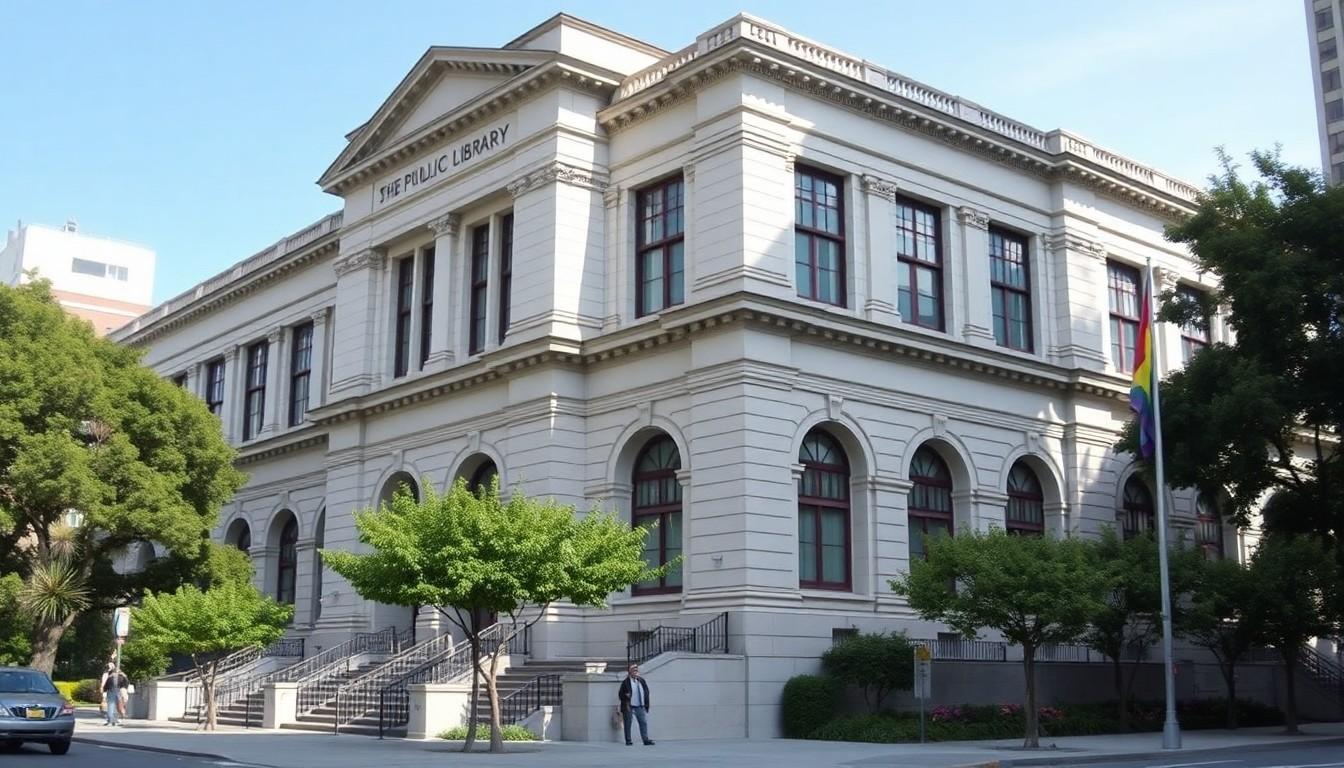
- Who made it happen: The San Francisco Public Library, The Hormel LGBTQIA Center, California Revealed, and Bay Times publishers led the multi-year effort.
- Why it matters: The archive documents crises, campaigns, culture moments and community humour , essential primary sources for historians, activists and families.
- Quick tip: Start with Pride-era issues or landmark years like the early AIDS crisis to see how coverage and tone evolved.
Why this digitisation is a small cultural revolution
This isn’t just about PDFs on a screen , it’s the sound of history getting a louder, clearer voice. The digitisation project preserves reporting, photos and local ads that otherwise risked fading into fragile paper and forgotten attics, and it keeps the Bay Times’ personality intact: blunt, funny and unapologetically local. According to the Bay Times announcement, the work took years and careful handling because many early copies are rare and delicate. That carefulness shows in sharp, legible scans that still feel human.
The Bay Times archive is now a real resource for people who want to trace how stories about rights, health and politics were told in the moment. For students and family historians, these pages offer names, dates and local context that national outlets often missed. It’s a reminder that community papers do more than report events , they make the record.
Who helped make this happen , and why they cared
This completion was a team effort. The San Francisco Public Library and The Hormel LGBTQIA Center provided institutional muscle, while California Revealed helped with funding and technical support. Publishers of the Bay Times steered the project, prioritising preservation for future generations. Community leaders also chimed in: local officials and long-time readers publicly celebrated the archive’s launch, highlighting how the paper chronicled everything from the AIDS crisis to marriage equality.
Support from civic figures underlines a wider point: LGBTQ+ history is civic history. When public institutions help preserve queer archives, they’re acknowledging those stories as part of a city’s collective memory, not a marginal footnote.
What you’ll find when you start browsing
Expect a mix of hard news, lively columns, social pages and ads that tell their own story , everything from political endorsements and campaign coverage to irreverent columns and community event listings. Long-form reportage sits beside snapshots of daily life: club ads, theatre reviews, personals, and fundraising notices. The result is a textured, often intimate portrait of queer life across decades.
If you’re researching a topic, use year filters to narrow your search. For a more human read, jump to columns and opinion pieces: they capture the attitudes and humour of their time in ways a straight news report can’t.
How to use the archives for research or nostalgia
Start with specific dates or events , Pride weeks, election years, the early AIDS years , then branch out to scan surrounding months to see the local ripple effects. For academics, these files are primary-source gold: quotes, local reactions, and contemporaneous coverage that fill gaps left by national outlets. For families, the archive can reconnect you with people and neighbourhoods lost to time.
Practical tip: download high-resolution images for citation and keep notes on page numbers and issue dates; the scans are faithful but page layouts can vary. And if you’re curious about context, pair a Bay Times search with holdings at other local archives or university collections.
What this means for the future of queer memory
Digitising the Bay Times does more than protect ink on paper; it makes queer history discoverable and shareable. As more community papers clear the preservation hurdle, we’ll get fuller, more democratic histories of movements and everyday life. The Bay Times’ archive is a model for how local journalism and public institutions can collaborate to safeguard cultural memory.
It’s a gift for researchers, a museum for memories, and a reminder that voices from small presses shape national narratives. Go have a read , you might laugh, learn, or find someone you once knew.
It's a small change that can make every page of queer history easier to find.
Source Reference Map
Story idea inspired by: [1]
Sources by paragraph: