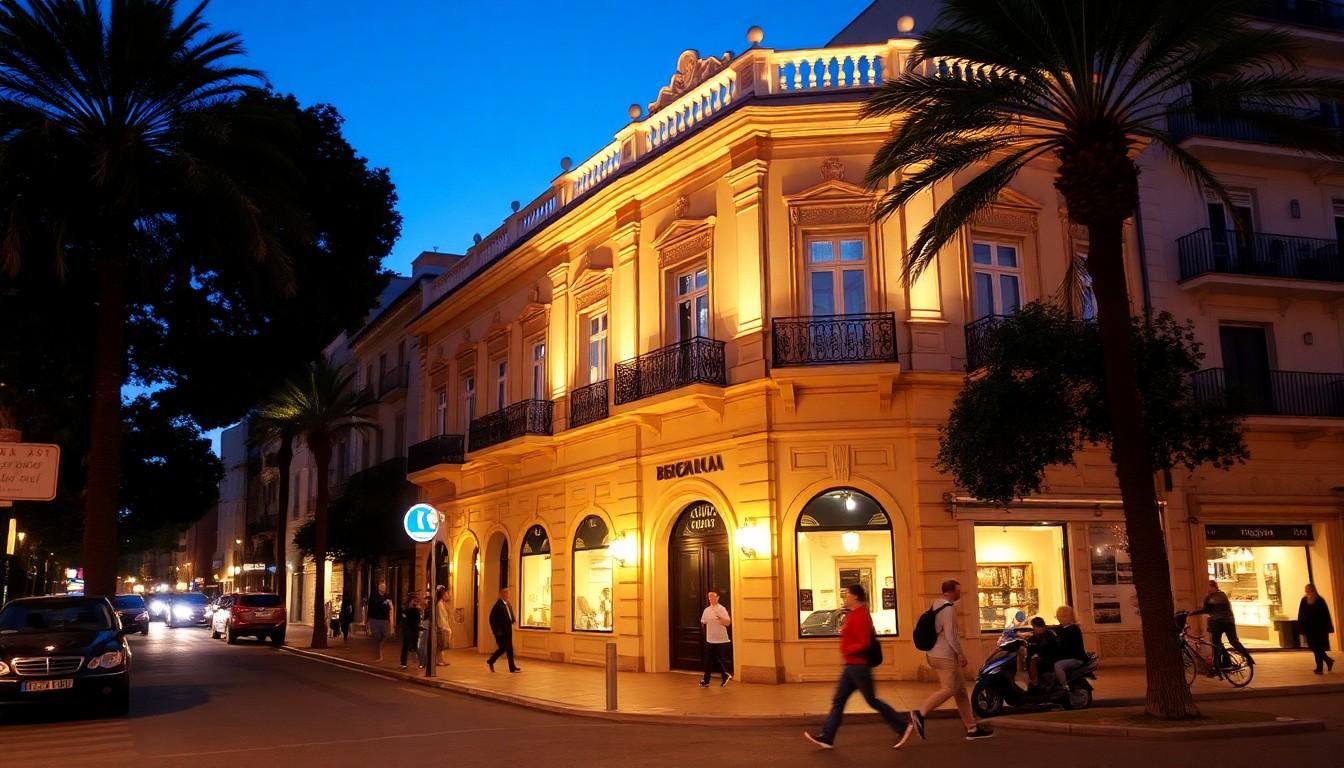
Shoppers, locals and visitors flocked to Torremolinos on 6 June for Pride Torremolinos 2026, a colourful reunion that celebrates a seaside town whose hidden Pasaje Begoña became a cradle of LGTBIQ+ resistance , and a reminder of how history, memory and celebration live side by side on the Costa del Sol.
Essential takeaways
- Historic setting: Pasaje Begoña is recognised as a birthplace of modern LGTBIQ+ life in Spain, with a legacy dating back to the 1960s.
- Emotional crowd: The 2026 march drew large, joyful crowds , bright outfits, loud music and a communal, celebratory buzz.
- Memory and resilience: The passage was the scene of the 1971 Great Raid, an episode of heavy repression that is now commemorated.
- Official recognition: Pasaje Begoña holds protected status as a Lugar de Memoria Histórica, underscoring its symbolic importance.
- Local pride link: Torremolinos’ ongoing events tie tourism, nightlife and activism into a visible, living narrative.
Why a tiny passage packs such a big historical punch
A narrow street near the seafront, Pasaje Begoña looks unassuming until you learn its backstory; you can almost hear the murmur of decades. According to local listings and the passage’s own site, it hosted Tony’s Bar in 1962, one of the earliest gay-friendly venues in Spain. That soft, human detail , a barlight in an otherwise stern era , helps explain why people still treat the corner with reverence.
The passage’s modern fame isn't just nostalgia. Authorities in Andalusia and Spain’s national congress have recognised it as a Lugar de Memoria Histórica, a formal nod to its role in the struggle for rights. For visitors, that means the lane is both a tourist draw and a memorial site, where plaques and guided mentions link past trauma to present celebration.
What happened in 1971 , the Great Raid and its long shadow
In 1971 the police descended in what is now remembered as the Great Raid of Pasaje Begoña, an event that led to roughly a hundred arrests and the closure of numerous venues. Contemporary reports and commemorations describe it as a brutal reminder of the risks people took simply to be themselves.
Commemorative events, including those organised by local Pride groups, now mark the 50th anniversary of the raid and place it in public memory. That ritual of remembering transforms pain into shared purpose; it also reframes the passage as a site of both loss and resilience, not merely a picturesque alley by the sea.
Pride Torremolinos 2026: spectacle, community and seaside energy
This year’s Pride combined loud colour and earnest celebration. Photographs and eyewitness accounts show crowds filling the streets, floats rolling by and music turning the town into one big, dancing front room. The visual contrast , sequins against the blue Mediterranean light , makes for compelling images and an easy social-media moment.
But beyond the spectacle, locals note how Pride boosts the local economy and affirms everyday visibility. Torremolinos’ long history as an LGTBIQ+ hub means the festival is rooted in community ties, not just tourism. For visitors, that gives events a texture you don’t always get at newer Pride parades: there’s continuity here, and people notice.
How to visit respectfully , what to see and how to behave
If you’re planning a trip, visit Pasaje Begoña with curiosity and tact. Read the plaques, pause at memorials and avoid treating the lane as a photo set without context. Local guides and the passage’s information pages offer concise histories that make a short walk feel meaningful.
Practical tips: go early to avoid crowds, combine a visit with a museum stop or a guided walk, and support nearby businesses that have been part of this story for decades. A quiet moment in the lane helps you appreciate why people still gather there each June.
Looking forward: memory, celebration and influence on Spanish Pride culture
Torremolinos shows how Pride can be both joyful and historically aware. The town’s blend of nightlife, tourism and activism has influenced broader Spanish conversations about visibility and rights, and its events continue to attract both locals and international visitors.
As Pride season evolves, places like Pasaje Begoña remind us that public celebration and historical reckoning can coexist. That mix keeps the festival alive: it’s about music and colour, yes, but also about acknowledging what was risked to make those colours possible.
It's a small change that can make every visit feel a bit more thoughtful.
Source Reference Map
Story idea inspired by: [1]
Sources by paragraph: