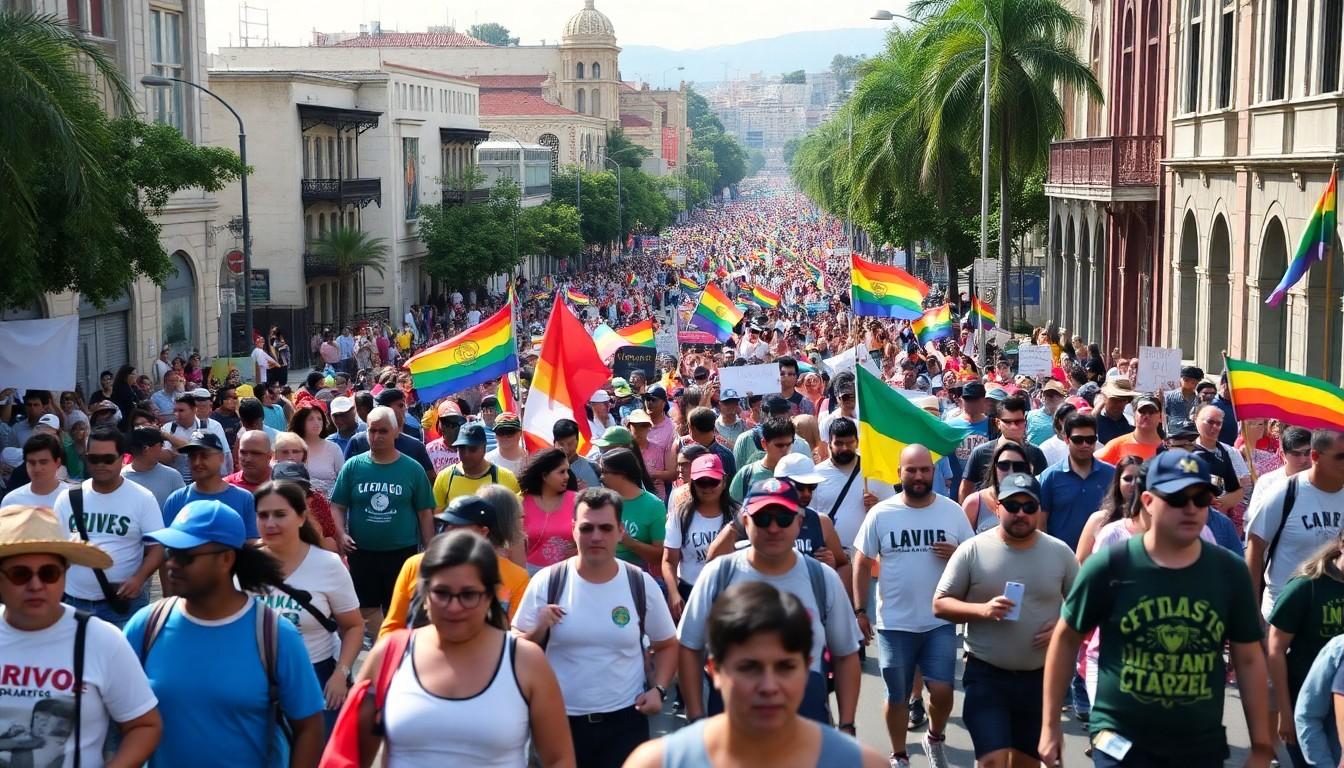
Shoppers in Saltillo and beyond have watched a quiet revolution: a faith-rooted activist turned community builder helped transform a city where stigma once ruled into a place where thousands now march for rights and belonging. This is Karla Llamas’s story , from parish pews to public protest, and what it means for LGBTIQ+ visibility today.
Essential Takeaways
- Lived journey: Karla Llamas began questioning faith and identity aged 12 and later found inclusive spiritual allies who reframed God’s love for her.
- Grassroots origins: Early LGBTIQ+ support in Saltillo grew inside parish settings, with retreats and inclusive masses organised in the early 2000s.
- Public growth: Pride in Saltillo expanded from a 12-person walk to annual events that now draw tens of thousands to cultural programmes and marches.
- Core issues remain: Despite legal gains, urgent needs persist , trans healthcare access, HIV prevention and treatment, employment opportunities and political representation.
- Enduring strategy: Llamas pairs hope with practical support: testing, counselling and community archives that preserve memory and sustain activism.
How a child’s questions turned into two decades of public work
At 12, Karla Llamas felt the dissonance between catechism and the feelings she couldn’t name, a quiet ache most readers will recognise as familiar and intimate. Those early doubts met unexpected allies in priests and bishops who offered a different pastoral tone , a message that faith and sexual diversity needn’t be enemies. According to local reporting, that encounter reshaped her faith and lit the spark for a lifetime of activism.
Those first conversations matter because they show how change often starts inside institutions that people assume are immovable. In Saltillo, parish-based retreats and inclusive worship in the early 2000s created safe spaces where rejected youths could breathe, speak and rebuild trust with family. The lesson: sometimes the bridge to social progress is spiritual as well as civic.
From secret retreats to public marches , the steady build of a movement
The early years were small and risky; organisers describe “cero” marches of a dozen people followed by slightly larger gatherings, each step a test of courage in a conservative city. What began as discreet retreats and family dialogues evolved into visible public celebration and protest. Now, Pride-week events attract tens of thousands to cultural and community programmes , a striking measure of social shift.
That growth is useful to unpack. Small actions , offering counselling, running HIV-prevention workshops, creating a shelter for people with advanced illness , built credibility and trust. If you’re thinking about community organising, the Saltillo example shows the value of steady, practical service as the backbone of public mobilisation.
Where progress has landed: legal wins and everyday freedoms
Legal and social markers of change are tangible in Coahuila: anti-discrimination frameworks, same-sex marriage recognition, procedures to correct identity documents and greater public visibility for LGBTIQ+ people. For many locals, the simplest scene , same-sex couples holding hands on the street , signals how far things have moved.
Yet rights on paper don’t erase everyday barriers. Organisers and activists emphasise the difference between legality and lived equality: safe bathrooms, respectful public services and institutional representation still lag. The takeaway is plain: celebrate gains, but don’t let them become an excuse to stop pushing.
The unfinished agenda: health, work and representation
Karla and other activists list the practical priorities that remain urgent. Trans healthcare needs to be comprehensive and accessible, HIV prevention and treatment must be scaled and destigmatised, and employment discrimination has to be tackled so people can earn a living without fear. They also point to an absence: very few trans people hold public sector decision-making posts.
This is where strategy changes from celebration to policy. Campaigners argue for specialised government units to coordinate services, targeted job programmes and visible appointments that normalise diverse leadership. If you care about structural change, that’s the battleground for the next decade.
Memory, hope and advice for the next generation
Llamas keeps a folder of photographs, clippings and documents , an archive of resistance that shows activism isn’t only protests and petitions, but also memory-keeping. She frames hope as a form of resistance: every conversation, every test offered, every family meeting keeps the flame alive.
Her practical counsel to young people is gentle and tangible: surround yourself with people who love you, don’t isolate, keep family, chosen or biological, close and take change slowly, slice by slice. For Saltillans and beyond, her final plea is simple: look to your street, to your family, and learn to see the people who may not yet feel safe enough to speak.
It's a small change that can make every step toward equality feel steadier.
Source Reference Map
Story idea inspired by: [1]
Sources by paragraph: