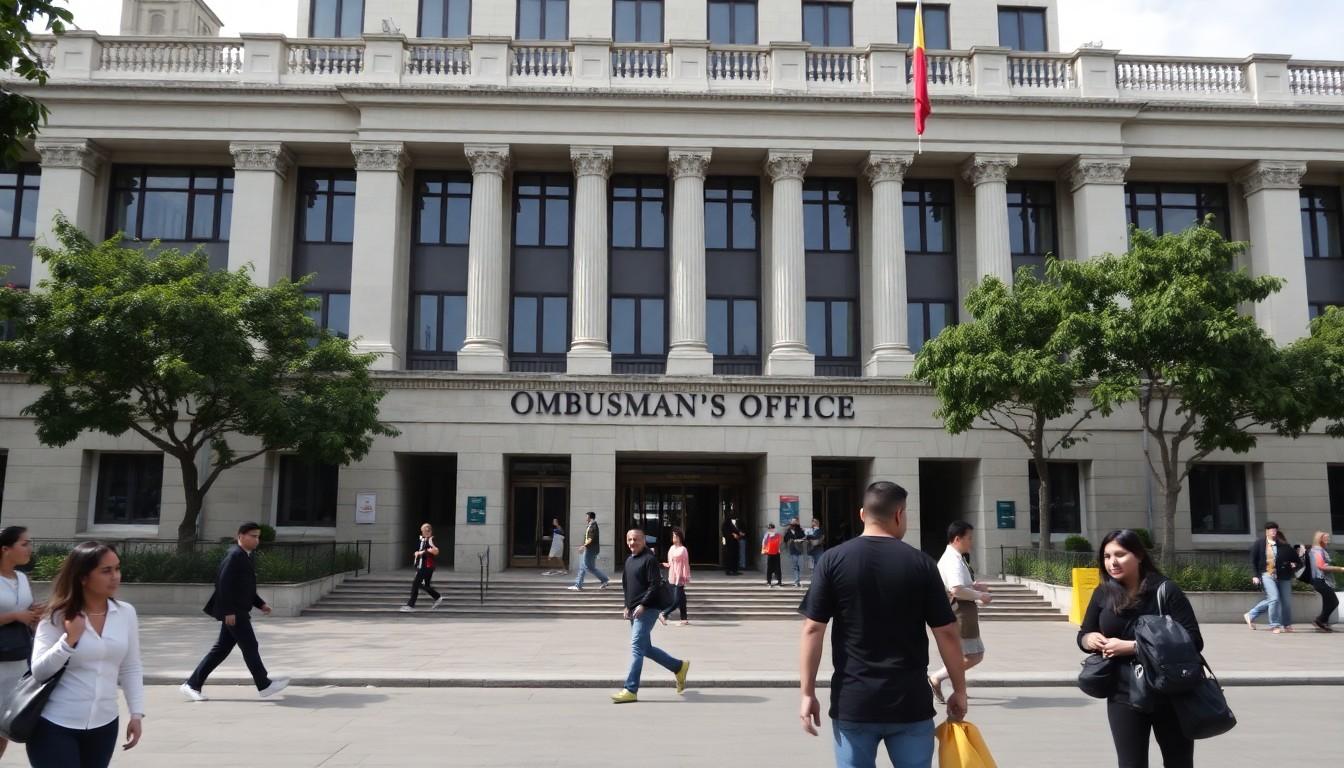
Shoppers may notice flags and slogans this Pride, but Colombia’s watchdog is doing more than symbolism , the Procuraduría General has reiterated concrete oversight and protection efforts for LGBTIQ+ people, calling on state institutions, businesses and citizens to turn equality from promise into everyday practice.
Essential Takeaways
- Institutional push: The Procuraduría has renewed commitments to monitor and enforce constitutional rights for LGBTIQ+ people across public institutions.
- Preventive oversight: Officials say they’re using preventive vigilance to spot discrimination early, with a focus on legal, health and education access.
- Support for trans people: The agency highlights targeted actions for trans communities, who face higher barriers to services and protection.
- Call to action: The message extends beyond government, businesses and citizens are urged to reject prejudice and build inclusion.
- Reality check: Despite progress, authorities warn that violence and exclusion persist and need sustained responses.
Why the Procuraduría’s Pride Statement matters now
The Procuraduría has framed its Pride-day message as more than an annual shout-out; it’s positioned as a policy moment that should nudge minds and machines. The argument is simple and sensory , equality isn’t just a slogan, it’s the quiet, everyday assurance that someone can access healthcare or a job without fear. According to the Procuraduría’s own releases, the office has stepped up monitoring and preventive oversight to make those assurances real.
Context helps here: Colombia has seen important legal wins in recent years, but the watchdog notes gaps remain in implementation. So the institution is pushing a practical line , law and enforcement must match rhetoric , while nudging other actors, from regional authorities to private firms, to play their part.
What “preventive vigilance” looks like in practice
Preventive vigilance sounds bureaucratic, but the Procuraduría describes concrete measures: tracking complaints, reviewing institutional procedures, and nudging policy changes that reduce barriers to services. That can mean making sure schools and clinics follow protocols, or investigating patterns of discrimination flagged by community groups.
For people deciding where to seek support, the takeaway is useful , look for institutions that publish inclusion protocols and complaints routes. The Procuraduría’s approach aims to make discrimination visible so it can be fixed, rather than swept under the carpet.
Focus on trans rights: why it’s central to the message
The statement singles out trans people as among the most affected, which isn’t rhetorical. International and national reporting shows trans Colombians often face steeper hurdles in healthcare, employment and justice. The Procuraduría’s emphasis signals a priority: targeted oversight, tailored policies and faster response where exclusion is deepest.
If you work in a clinic, school or HR team, practical steps include reviewing forms and records for gender-inclusive options, training staff on dignity and consent, and publicising clear grievance channels. Small changes like these can relieve real, daily stress for people trying to get basic services.
Beyond the public sector: business and civil society have roles
The Procuraduría doesn’t just address government. Its call reaches private companies and citizens, arguing that democracy requires inclusion across society. That’s timely: employers who adopt anti-discrimination policies, visible supplier diversity, and accessible benefits send a strong message that inclusion is standard, not optional.
For consumers and workers, this is power: choose employers and brands that publish clear inclusion policies, and support community-led initiatives that hold institutions to account. The Procuraduría’s statement reframes Pride as civic responsibility, not only celebration.
Progress, limits and what to watch next
There’s real progress: legal protections, public awareness and institutional pronouncements are steps forward. But the Procuraduría and other observers warn violence and exclusion persist. That means monitoring outcomes, not just statements , are fewer complaints reaching crisis levels? Are trans people accessing services more easily? Those are the metrics to watch in the months ahead.
So expect more follow-up: supervisory reports, targeted recommendations and perhaps enforcement actions where systemic failures show up. In short, this Pride could be a turning point if words translate into sustained practice.
It's a small change that can make everyday life safer and fairer.
Source Reference Map
Story idea inspired by: [1]
Sources by paragraph: