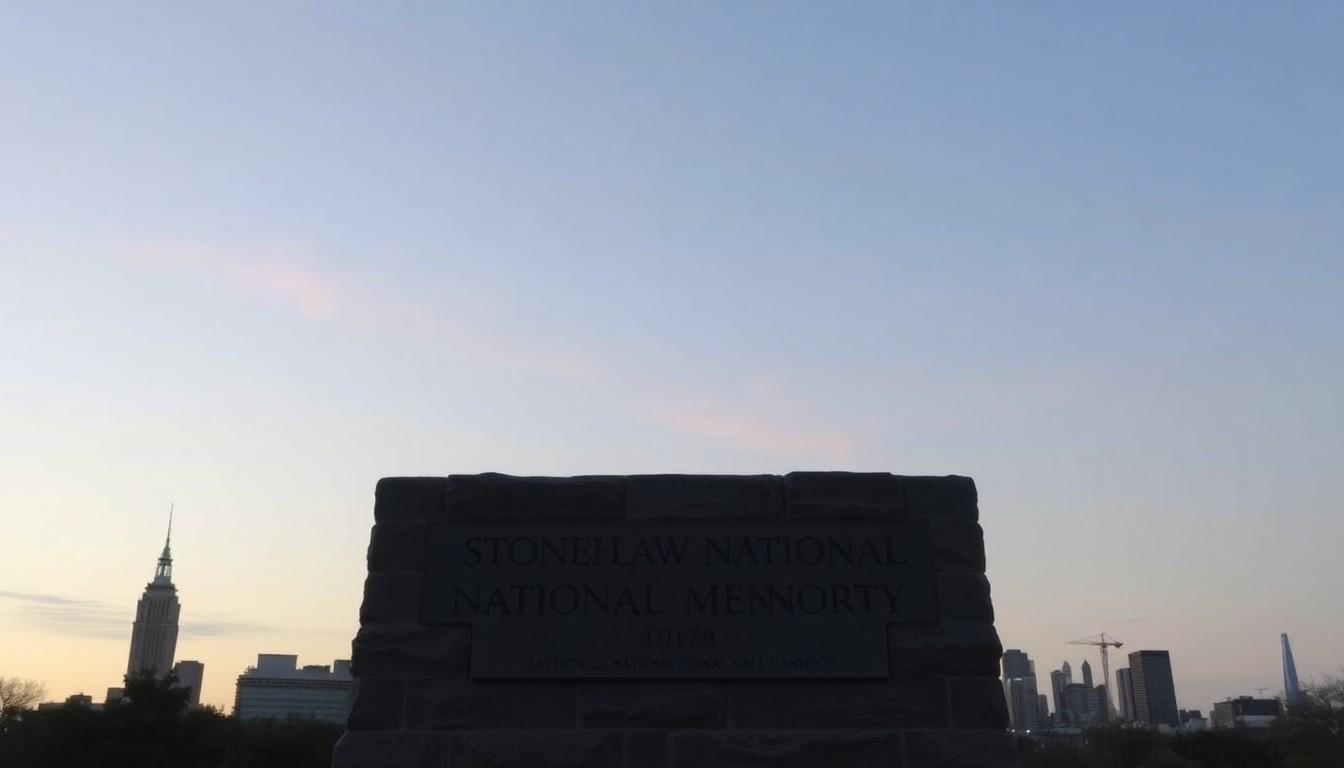
Shoppers are turning out to march and watch as Pride Month peaks across the US, with New York, San Francisco, Seattle and other cities staging some of the biggest parades on the anniversary of the 1969 Stonewall uprising , a vivid mix of celebration, protest and community that matters now more than ever.
Essential Takeaways
- Historic timing: Pride events this weekend centre on the Stonewall anniversary, linking parties to the movement’s roots.
- Political backdrop: Rallies are occurring amid nationwide debates over transgender rights and rollbacks by the federal administration, so marches feel both joyful and urgent.
- Local flavour: New York and San Francisco offer huge, long-running parades; Seattle and other cities add regional twists and local activism.
- Tangible atmosphere: Expect loud music, rainbow colour, homemade signs and an emotional, defiant energy , equal parts festive and resolute.
- Practical note: Some contingents and organisers face tensions over institutional participation and corporate sponsorships, so routes and line-ups may shift.
Why Stonewall still shapes Pride day by day
The weekend’s parades aren’t just a calendar event; they’re a direct line back to the Stonewall Inn and the June 1969 uprising that helped spark modern LGBTQ+ activism. You can feel that history in the air: the chants, the banners and the steady presence of older marchers alongside teenagers, all carrying an emotional, almost tactile sense of continuity. According to coverage from national news outlets, organisers lean into that memory while also wrestling with current political fights, which keeps Pride from becoming merely a spectacle.
New York’s march: massive, contested, alive
New York Pride remains one of the world’s biggest gatherings, threading a long route through Manhattan with a mixture of floats, community groups and corporate contingents. At the same time, the Queer Liberation March has positioned itself as a grassroots alternative for people wary of corporate or institutional influence. Reports note pressure from transgender activists about whether certain hospital and institutional contingents should march, reflecting wider debates about who belongs in Pride and how accountability should look in public demonstrations.
San Francisco: legacy, theatre and hard-earned pageantry
San Francisco Pride carries a theatrical, almost theatrical vibe , big floats, colourful performances and an unmistakable city-wide electricity. It traces its origins back to the early commemorations of Stonewall and has steadily evolved into a major cultural moment. Recent reporting highlights conversations there about how athletic events and sports teams intersect with Pride programming, and organisers are keeping one eye on inclusivity while balancing traditional parade pageantry.
Seattle and other cities: smaller scale, sharp focus
Seattle’s Pride offers a more compact, community-focused experience, but it’s no less meaningful. Local events often spotlight specific causes , from healthcare access for trans youth to pushback against state-level anti-LGBTQ measures. In several cities, news coverage shows organisers and marchers using Pride to draw attention to legal battles and policy shifts, turning colourful banners into calls for concrete change.
Choosing what to watch or attend this weekend
If you’re heading out, think about the experience you want: a huge, choreographed parade with big-name contingents, or a smaller march that leans activist and intimate. Check official parade routes and start times before you go, bring water and ear protection for loud areas, and be prepared for shifting line-ups if groups are asked to delay or withdraw. For families, many events offer designated quieter zones; for photographers, mornings often give the best light and lower crowds.
It's a small change that can make every march feel like more than a party , it becomes a statement about who gets to be visible.
Source Reference Map
Story idea inspired by: [1]
Sources by paragraph: