Celebrate loudly and lovingly this Pride Month with a rainbow of style, history and practical ways to support LGBTQ+ communities; whether you’re joining a march, planning a party, or simply updating your wardrobe, here’s why Pride matters, how it looks around the world, and easy ways to take part that actually make a difference.
Essential Takeaways
- Pride is political and personal: It marks protest, progress and joyous visibility for LGBTQ+ people.
- Dates vary globally: Many countries celebrate Pride in June, while others hold events at different times; check local calendars.
- Wear what feels right: Clothes don’t have gender, choose colours and cuts that make you happy, confidently.
- Support beyond symbols: Give to local charities, volunteer, or attend educational events, not just wear a pin.
- Plan with accessibility: Think about shade, water, quiet spaces and safety when going to marches or festivals.
Why Pride Month still matters , a short, vivid reminder
Pride began as protest, and you can still feel that fierce energy when you see streets awash with colour. According to history outlets, Pride Month marks the anniversary of the Stonewall uprising and has evolved into a global season of remembrance and celebration. That blend of grief, joy and political pressure is why parades aren’t just parties; they’re an insistence on visibility, rights and safety. If you show up this month, think about the history behind the glitter , it gives your presence extra meaning.
When is Pride? It isn’t all June
Most of the world recognises Pride in June, but the calendar isn’t uniform. Some nations and communities hold events in other months to reflect local history or climate , for instance, parts of the southern hemisphere time things to suit summer, and New Zealand links some celebrations with Matariki, the Māori New Year. Before you pack sunscreen and a banner, check local listings so you don’t miss nearby marches, community fairs or quieter remembrance events.
Dress the way you want , fashion as self-expression
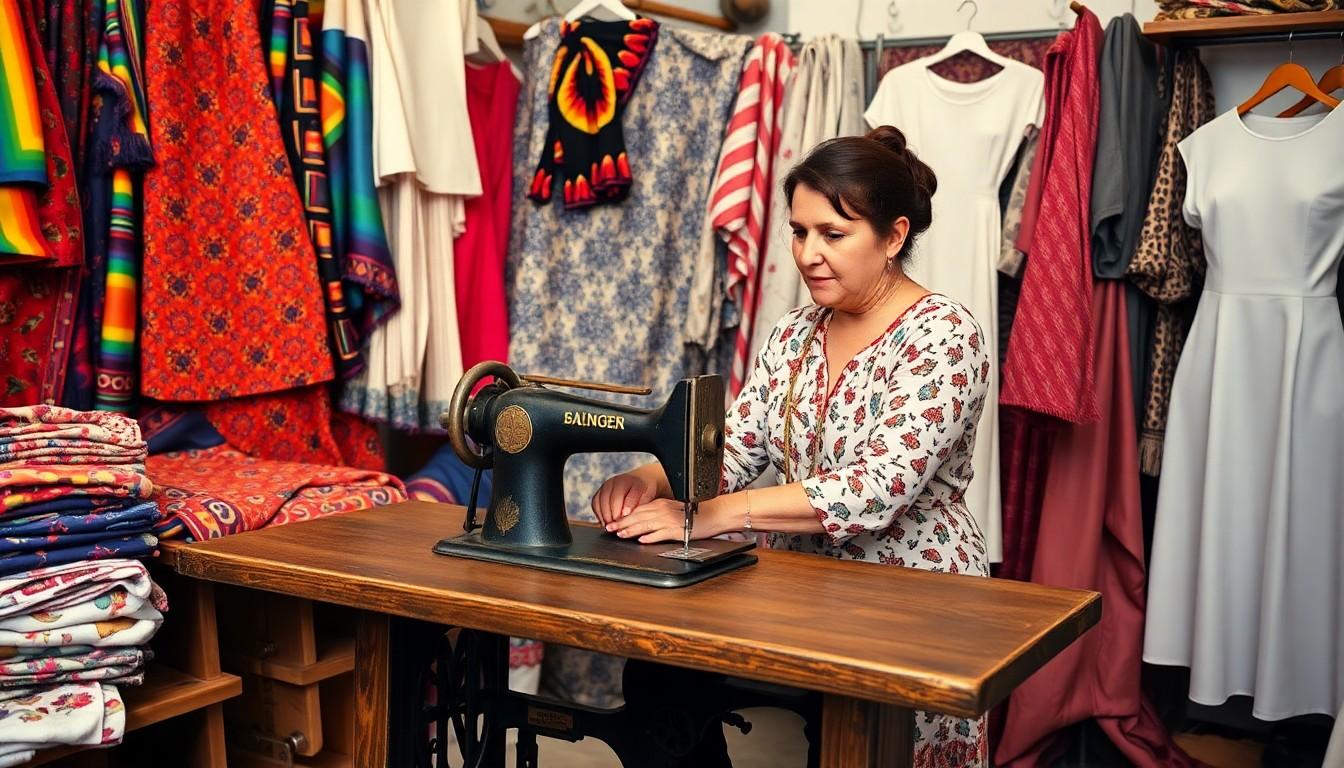
Clothes don’t have gender; fabrics, cuts and colours are tools for saying who you are. Whether you’re inspired by a full rainbow look or a subtle nod with a brooch or socks, lean into what makes you smile. For those making Pride outfits, lightweight fabrics, bright dyes and comfortable shoes tend to work best for long marches. And yes, Easter eggs, tiny surprises in your outfit, are an easy way to spark smiles and conversation.
Beyond the parade: practical ways to support LGBTQ+ causes
Wearing a rainbow can open doors, but sustained support comes from action. Donate to local organisations that serve queer youth or trans rights groups, volunteer at community centres, attend educational talks, or mentor someone younger. If you’re an employer, consider genuine policy changes: paid leave for Pride events, inclusive healthcare and anti-discrimination training make a real difference. Small gestures matter, but long-term commitment matters more.
Safety, accessibility and inclusivity , planning for everyone
Pride should be joyful and safe. Event organisers and attendees alike can make simple choices that increase access: clear maps with quiet spaces, water stations, shade, wristbands for medical information and volunteers trained on de-escalation. For anyone attending, carry water, sunscreen, a portable charger, and know where first aid is. Respect personal pronouns, follow local advice about photography, and watch out for the most vulnerable folks in the crowd.
Looking ahead: what Pride might become next
Pride will keep changing as communities evolve. Expect more hybrid events that mix physical rallies with online programming, and a deeper focus on intersectionality , making sure race, disability, class and trans experiences are central, not peripheral. That’s the hopeful part: each year offers a chance to expand who’s seen and protected.
It's a small change , or a big one , but showing up thoughtfully this Pride makes all the difference.
Source Reference Map
Story idea inspired by: [1]
Sources by paragraph: