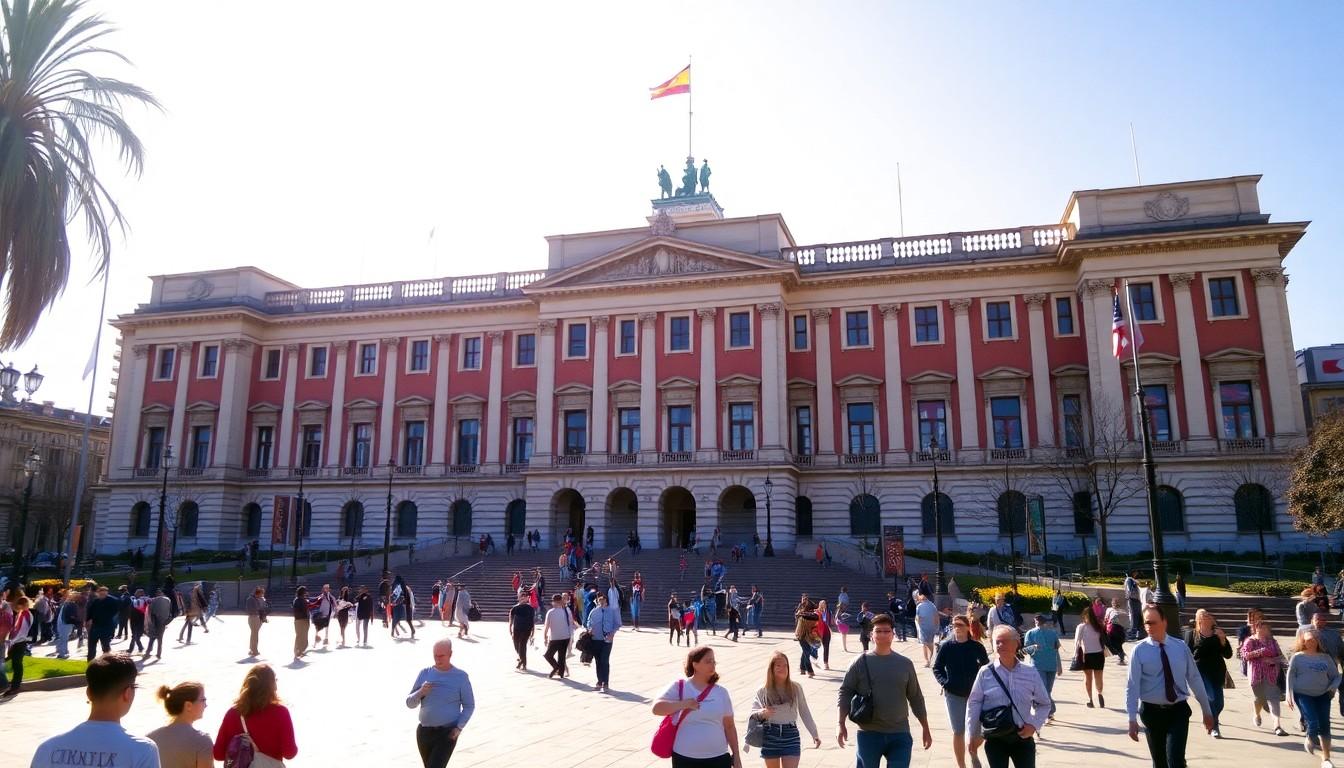
Celebrate loud, proud and informed: June’s Pride season mixes joy and music with serious wins in Spain , including a new law to jail conversion therapists , and reminds us why visibility still matters for safety and rights.
Essential Takeaways
- Major legal step: Spain’s parliament has approved penalties of up to two years’ imprisonment for conversion therapies, offering real protection for LGTBIQ+ people.
- Public reaction: The move triggered fierce backlash from conservative and religious groups, underlining ongoing social tensions.
- Cultural balm: Music and queer art remain central to Pride, offering comfort, identity and visibility during tense moments.
- Practical note: If you or someone you know faces coercive “therapy,” reputable helplines and equality services now have clearer legal backing.
- Emotional cue: Pride feels both celebratory and defiant this year , joyous colours with a sharp political edge.
A legal landmark: Spain moves to criminalise conversion therapy
Spain has taken a decisive step this month by approving rules that could see people running conversion therapies jailed for up to two years. According to reporting in El País and RTVE, the reform has been discussed in Congress and represents one of the clearest attempts to put teeth behind existing protections for LGTBIQ+ people. The law frames these practices as abusive and aligns Spain with international concerns about the harm such “therapies” do. For many in the community this is a relief, a formal recognition that coercive attempts to change someone’s orientation or gender are not therapy at all.
Why the backlash matters , and what it shows
The vote didn’t pass unnoticed. Media coverage and opinion pieces show that conservative parties and sections of the religious establishment reacted angrily, turning the debate into a culture-war flashpoint. Público and other outlets noted how enraged commentary on social media and from certain groups has become more aggressive , a reminder that legal changes can shift the battleground but don’t erase prejudice overnight. That backlash also underlines an urgent practical truth: legal protection is vital, but so are education and community support to change hearts and minds.
Pride’s public joy: music, video and visibility as resistance
Amid these political fights, Pride remains a festival of music, film and community rituals. Cultural outlets and independent blogs have reopened playlists and video picks for Pride, showcasing queer artists who speak truth to power with tenderness and fury. Music is more than background; it’s a tool for identity formation and a shelter when debates get ugly. If you’re curating a Pride playlist, include artists whose work explicitly affirms LGTBIQ+ lives , they resonate in noisy streets and quiet rooms alike.
What this means for people on the ground , advice and resources
Legislation gives victims a clearer path to justice, but people still need immediate, practical supports. If you or someone you know is pressured into conversion practices, reach out to recognised LGTBIQ+ organisations, legal aid services or health professionals who follow ethical guidelines. Government equality offices and local charities often publish lists of accredited therapists and trusted helplines; keep those numbers handy. And if you’re attending Pride events, buddy up, plan meeting points and check local safety resources , celebrations should feel safe as well as joyful.
Looking ahead: law, culture and slow change
The new penalties mark progress, but they’re one part of a longer journey. Laws can deter and punish harmful practices, while culture and education chip away at the attitudes that sustain them. Celebrate the win, yes, but also support local groups doing grassroots work , they’re the ones changing everyday lives. As media and opinion continue to swirl, maintaining a steady, human conversation helps keep rights on the agenda.
It’s a small change that can make every march, song and conversation a little safer and a lot more honest.
Source Reference Map
Story idea inspired by: [1]
Sources by paragraph: