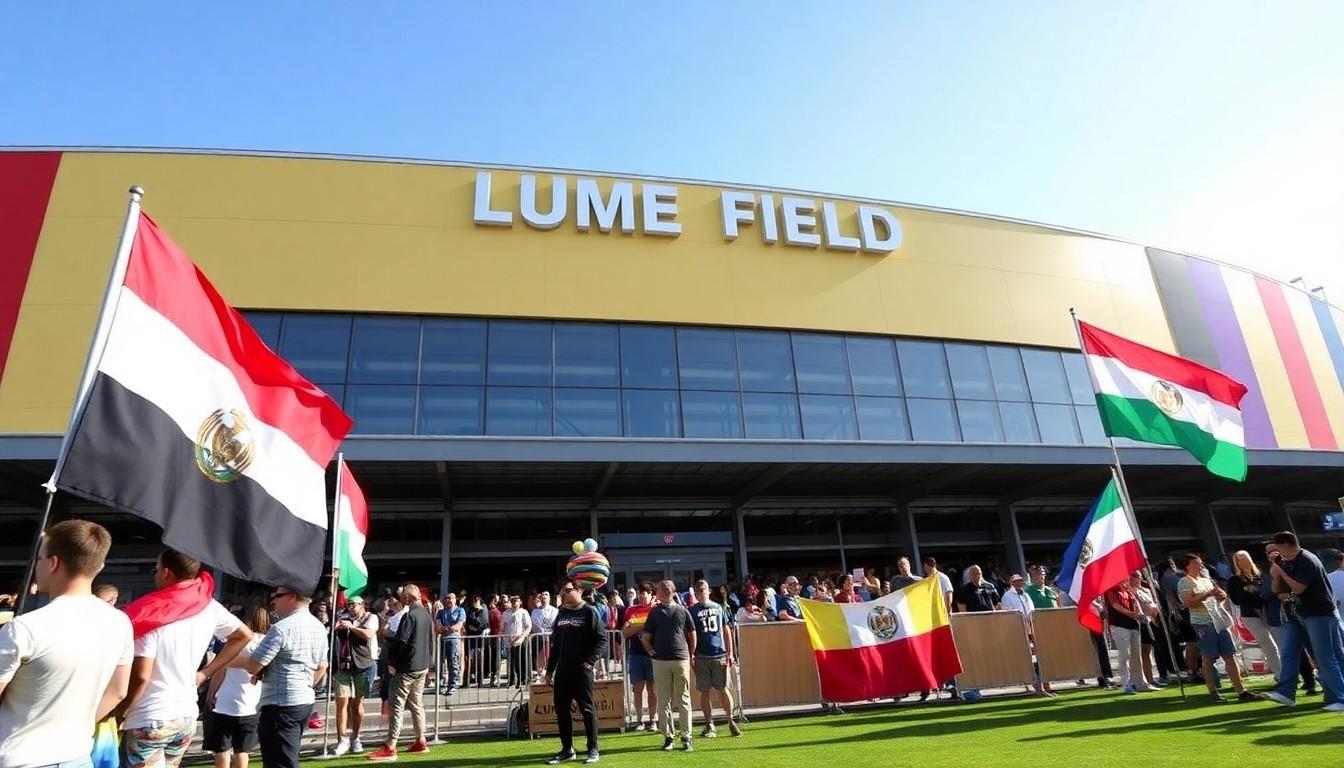
Shoppers, fans and activists turned Seattle’s Pride weekend into a colourful, loud display of solidarity during the World Cup match between Egypt and Iran, where rainbow bucket hats, brass bands and spirited protesters met a tense diplomatic backdrop. Here’s what happened, why it mattered, and what it means for football and human rights.
Essential takeaways
- High energy: A brass band, tie‑dye and cheering crowds created a festive, noisy atmosphere outside the stadium.
- Visible solidarity: Fans wore Pride gear and handed out flags; local organisers promoted watch parties and LGBTQ+ business support.
- Teams protested: Egypt and Iran asked FIFA to block Pride activities inside the stadium, citing cultural and legal objections.
- FIFA stance: The organisation allowed rainbow flags and general human rights messages but keeps a formal neutrality policy.
- Tensions mixed: Most clashes reflected Iranian political disputes rather than direct anti‑LGBTQ confrontation; the scene felt celebratory overall.
Why Seattle picked this World Cup day as a Pride moment
Seattle’s local organising committee deliberately scheduled Pride Match activities for June 26 because it lines up with the city’s main Pride weekend, rooted in Stonewall commemoration. The result was a vivid, sensory scene , music blaring, flags snapping in the wind and fans in loud rainbow outfits. Organisers wanted a visible celebration of queer life that also signals welcome to international visitors, and they used external spaces, watch parties and business tie‑ins rather than attempting anything inside the stadium itself.
What the teams and FIFA said , and why it mattered
Both the Egyptian and Iranian football federations formally asked FIFA to prevent Pride displays in the match environment, arguing those activities conflicted with their national positions. FIFA, wary of political entanglement, reiterated its neutrality but confirmed rainbow flags and general human rights signage would be allowed. That compromise left local organisers to stage everything outside the stadium , a legal and PR balancing act that left some fans relieved and others feeling the gesture was limited.
The crowd: solidarity, irony and unexpected flashpoints
For many attendees the matchup felt almost cosmic , two countries with restrictive LGBTQ+ records falling on a Pride calendar slot. Longtime fans and newcomers alike dressed up and celebrated; some paid handsomely for tickets just to be part of the moment. Most disturbances weren’t about sexual orientation but about Iranian internal politics, with monarchist Lion and Sun flags clashing vocally with pro‑regime supporters. The mix made the day messy, emotional and oddly emblematic of how global sport can surface multiple struggles at once.
How local organisers kept Pride outside the stadium , and why that matters
Seattle’s committee made it clear that they only controlled external spaces, encouraging fans to visit LGBTQ+ businesses, join watch parties and participate online. That separation was practical , FIFA keeps tight control of the stadium environment , but symbolic too: it highlighted how much of the visibility depended on grassroots action. For anyone planning to support Pride at an international match, the lesson is simple: plan for outside‑the‑gates activities, pack a flag, and know what local organisers can and cannot do.
What this means for fans and for football going forward
The episode underscored a shifting reality: global tournaments are never just about sport. They’re stages for cultural values, political protest and human rights debates. Allowing rainbow flags may seem small, but it gives queer fans a visible place among tens of thousands , and it sends a quiet signal to those in restrictive countries that they aren’t entirely invisible. Expect future host cities to sharpen their coordination between local Pride initiatives, fan groups and FIFA policies.
It's a small change that can make every match feel a little more inclusive.
Source Reference Map
Story idea inspired by: [1]
Sources by paragraph: