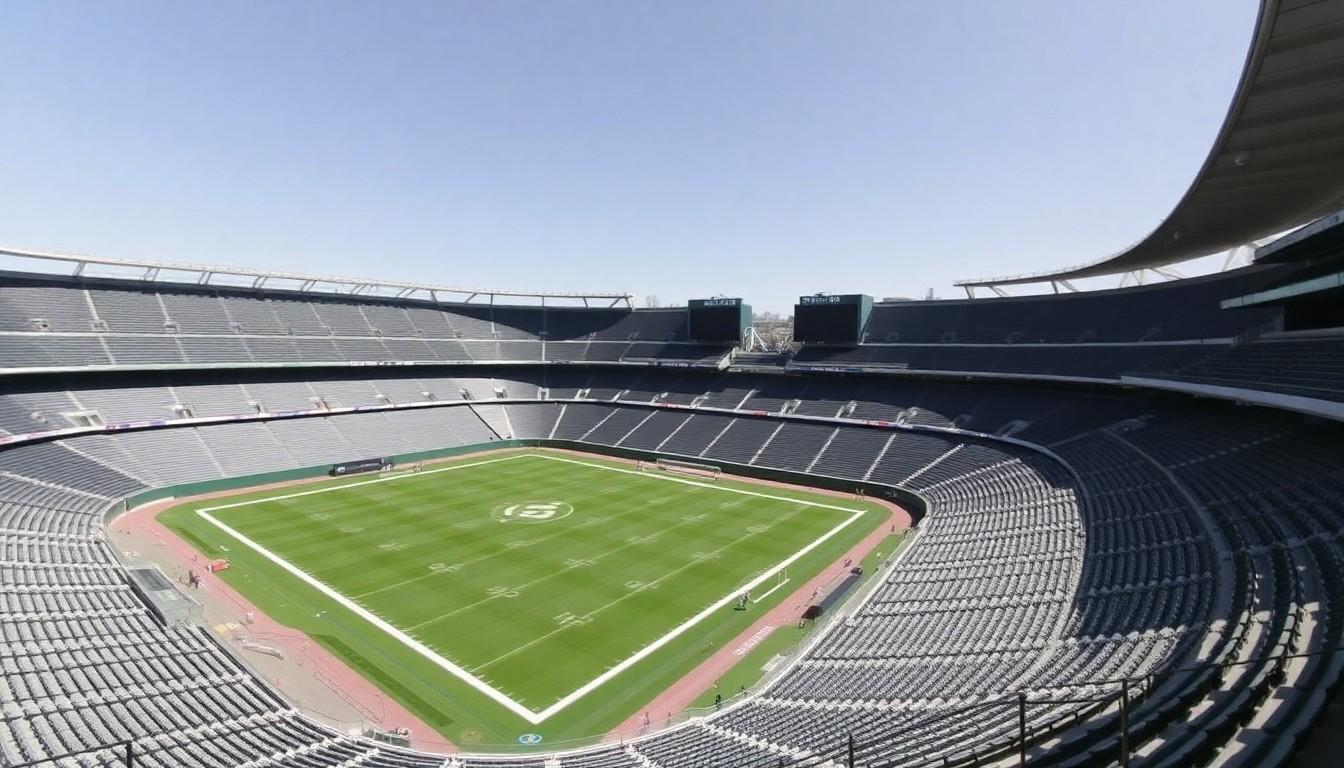
Shoppers are turning to sporting spectacle for more than goals: Friday’s Iran–Egypt World Cup match in Seattle became a high‑visibility Pride moment, pitting stadium rainbow flags and local celebration against objections from the teams and sharp questions about safety for LGBTQ people in certain countries.
- Match result: Iran and Egypt drew 1–1, a competitive game on the pitch with an unmistakable political undertow.
- Flags allowed: FIFA permitted Pride flags inside the stadium, saying general human‑rights statements fit the Stadium Code of Conduct.
- Teams objected: Both federations formally objected to the match being framed as a “Pride Match,” reflecting tensions between local organisers and visiting associations.
- Human‑rights context: Iran criminalises same‑sex relations harshly, including death penalties in some cases; Egypt routinely persecutes LGBTQ people and tolerates widespread discrimination.
- On‑the‑ground feeling: Fans reported a lively, colourful atmosphere in Seattle, while activists said the visibility was meaningful and emotionally powerful.
Pride in the stands, dissent on the field
The image of rainbow flags fluttering through a packed stadium captured most headlines, and it’s easy to see why , it felt bright, loud and unapologetic. FIFA told the Washington Blade the World Cup "welcomes people from all backgrounds" and allowed flags consistent with its stadium code, a move rights groups applauded. For many fans and visitors, the flags were a reassuring, visible signal that LGBTQ supporters were welcome.
That visibility came alongside objections from both the Egyptian Football Association and Iran’s federation, who pushed back against describing the fixture as a “Pride Match.” FIFA president Gianni Infantino had earlier drawn a distinction between events in the host city and matches themselves, saying external organisers could stage Pride activity without it being an official World Cup designation.
What the match meant beyond 90 minutes
On the pitch, the game ended 1–1 and gave fans a competitive fixture to discuss. Off it, the match acted as a focal point for much bigger conversations about players’ safety, national laws and the limits of sporting diplomacy. Activists such as Peter Tatchell accused FIFA of a two‑tier approach: protecting visibility in stands while not doing enough to safeguard LGBT+ players.
Human Rights Watch and Outright International publicly welcomed FIFA’s decision to allow flags, and Outright distributed flags in Seattle on the day. Their argument is straightforward: visibility matters, especially for people who may never see a Pride flag at home.
Legal reality in Iran and Egypt , why this matters
The legal picture in both countries is stark and why the fixture carried extra weight. Iran’s laws criminalise same‑sex relations severely, and international human‑rights monitors have documented prosecutions and even capital punishment for consensual same‑sex acts. In Egypt, while the law on the books may not explicitly read the same, authorities routinely target LGBTQ people through arrests, prosecutions on morality grounds, and systemic discrimination.
Those facts change how you read objections from the federations. When a team from a country where being openly LGBTQ can mean prison or worse arrives in a city celebrating Pride, federations balance diplomatic, cultural and safety concerns , but players themselves, particularly LGBTQ players, can remain vulnerable long after the final whistle.
How fans and activists approached Seattle’s Pride weekend
Local organisers, rights groups and visiting fans leaned into the match as an opportunity to show solidarity. Outright International handing out flags made for vivid scenes and offered emotional support to people who rarely see public affirmation. For many attendees, the flags had a tactile, immediate effect: a hug of colour and a reminder that they’re not alone.
But there were practical trade‑offs. Some pointed out that stadium visibility is only one piece of a larger puzzle: meaningful protections for players and staff require policy changes, vetting procedures and long‑term commitments from governing bodies like FIFA.
What this means going forward for sport and human rights
The Seattle match underlined a growing expectation that global sporting events do more than stage neutral contests; they’re also stages for human‑rights messaging. FIFA’s willingness to allow Pride flags signals some progress, but critics insist it must be matched by action , clearer protections for players, better vetting of host and participating nations, and firmer stances when laws put people at risk.
If nothing else, Friday’s game showed sport still has power to start conversations. Fans cheered a tight draw, activists waved flags, and the debate about how much sport should challenge national policies carried on into the night.
It's a small change that can make every cheer and every flag count.
Source Reference Map
Story idea inspired by: [1]
Sources by paragraph: