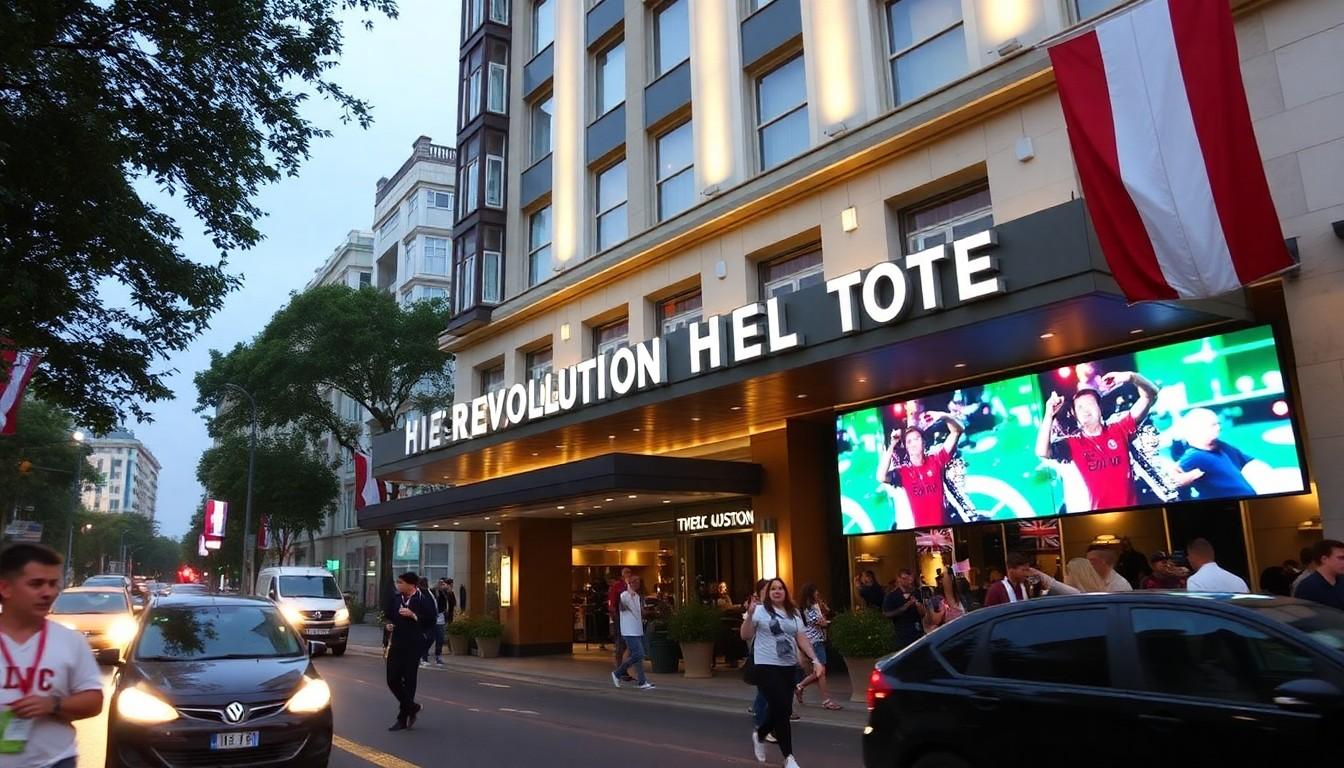
Shoppers are turning to community-first spaces this World Cup , Pride House Boston offers a relaxed, curated spot for queer fans to watch matches, meet athletes, and find safety in a city that still needs a stronger central queer culture. It’s running through the final on July 19 at Spy Bar in the Revolution Hotel.
Essential Takeaways
- Safe, curated space: Pride House Boston provides trained staff, inclusive language, and gender‑inclusive restrooms , a gentler alternative to rowdy sports bars.
- Community and culture: The venue mixes watch parties with cultural programming, from Pride Month events to Juneteenth celebrations, and feels welcoming and warm.
- Local sports links: Boston Strikers and other queer-friendly teams are partnering to host events and bring athletes to the space.
- Temporary but thoughtful: Open for the World Cup through July 19, organisers hope the House sparks longer-term community growth.
- Accessible vibe: Located in the South End’s Revolution Hotel basement, it’s easy to drop in , international fans have already found it.
Why Pride House Boston feels different
Walk into the basement at the Revolution Hotel and you’ll notice the tone right away: calm hosts, inclusive signage, comfortable seating. It’s less loud bar, more community living room, and that matters when you want to watch a tense penalty shootout without wondering whether you belong.
Jean Dolin, founder and CEO of Boston’s LGBTQ+ Museum, says the idea came from seeing Pride Houses at the Paris Olympics and imagining a flexible place that could centre queer culture around sport. According to organisers, the House focuses on hospitality and safety , trained staff, inclusive restrooms and deliberate language choices , so people can relax and enjoy the game.
How this fits into a growing Pride House tradition
Pride Houses started as hospitality houses at the 2010 Winter Olympics, offering refuge and community at big sporting events, especially where being out is risky. The Boston iteration plugs into that international network while tailoring the experience to local needs: watch parties, cultural programming and athlete meet‑ups.
That mix reflects a wider shift. Sports culture is slowly warming, but representation still lags , at this World Cup, none of the 48 teams has an openly LGBTQ+ player. Pride House Boston gives fans somewhere to celebrate that isn’t about making headlines, but about showing queer life in full: film, sport, conversation and support.
What local athletes and groups are saying
Community groups like the Boston Strikers have used the space to host events and hold conversations about inclusion in sport. Russell Cloon II, the club’s president, told reporters the House has been a place to both celebrate and discuss the challenges queer athletes face when playing , and to imagine better futures.
For visiting fans, the House doubles as a welcome hub. International supporters have dropped in, helping widen awareness beyond the South End. That kind of visibility matters: it’s one thing to legislate rights, another to build the cultural centres where people actually meet, swap stories and fight isolation.
Practical tips if you want to drop by
If you’re heading to Pride House Boston, expect a friendly, curated experience. It’s open through the World Cup final on July 19 and staged in a compact venue, so arrive early for big matches or reserve spots if organisers offer them. Look out for themed events tied to Pride Month and Juneteenth, and check social channels for athlete appearances from local queer teams.
If you’re organising something similar elsewhere, focus on staff training, inclusive facilities and partnerships with community sports clubs , those are the pieces Dolin and partners say make the House feel intentional rather than ad hoc.
What comes after the World Cup?
The House will close after the tournament, but organisers hope its impact won’t. Dolin’s bigger aim is cultural: to build a queer scene in Boston that’s visible, central and ordinary enough that a Pride House wouldn’t be news at the next U.S. World Cup. That’s an optimistic goal, but small projects like this one , warm, simple and well run , are how communities often begin to change.
It’s a small, convivial idea with a clear purpose: to make sport a place where everyone can cheer, together.
Source Reference Map
Story idea inspired by: [1]
Sources by paragraph: